

Honda Push Button Start Problems (2016-2025): The No-Programming-Required Ignition Switch Fix
This guide covers the common intermittent starting issues with the push-button ignition switch on the Honda HR-V, Accord, Civic, CR-V, and Pilot, and confirms that no programming is needed for replacement.
- The ignition switch itself does NOT require programming; it is a simple plug-and-play replacement.
- Before replacing the switch, rule out a weak key fob battery by holding the fob directly against the start button when trying to start the car.
- Owners of 2016-2018 Honda HR-V models should check with a dealer about a warranty extension (9 years/125k miles) for this specific part.
- An intermittent no-start or needing to press the button multiple times are the most common symptoms of a failing switch.
Before You Replace the Ignition Switch: Rule These Out First

Many starting problems on modern Hondas mimic a bad ignition switch but are caused by simpler issues. Before spending money on a new switch, perform these checks:
- Weak Key Fob Battery: This is the most common cause of intermittent starting. If the fob's battery is low, the car may not detect it.
Pro Tip: Hold the key fob directly against the face of the Engine Start/Stop button and press the button with the fob. If the vehicle starts, the ignition switch is working correctly and you simply need to replace the battery in your key fob (typically a CR2032 coin battery).
- Weak Vehicle Battery: A low main 12V battery can cause all sorts of electronic gremlins, including a failure to crank. If your interior lights are dim or you hear a rapid clicking sound, your vehicle's battery is the likely culprit.
- Brake Pedal Switch: The vehicle will not start unless the system detects that the brake pedal is pressed. If your brake lights are not working or work intermittently, the brake pedal switch may be faulty.
- Gear Selector Position: Ensure the vehicle is firmly in Park (P) or Neutral (N). The engine will not crank in any other gear.
Symptoms of a Failing Ignition Switch


If you've ruled out the issues above, the ignition switch itself may be failing. Failure is usually due to wear and tear on the internal electrical contacts. Symptoms often start intermittently and become more frequent over time.
- Multiple Presses to Start: You may have to press the button several times before the engine will crank. This is the most common sign of a worn-out switch.
- Delayed Start: You press the button and there is a noticeable delay of a few seconds before the starter engages.
- Complete No-Start: The button does not respond at all, and the vehicle does not enter accessory mode or start, even with a known-good key fob and vehicle battery.
- "Keyless Start System Problem" Message: A failing switch can trigger this specific error message on the instrument cluster.
- Engine Stalls After Starting: In some cases, a faulty switch can cause the engine to start and then immediately shut off.
Known Issues, TSBs, and Recalls

Honda HR-V (2016-2018) Warranty Extension
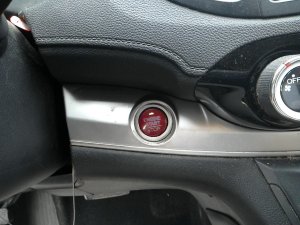
For 2016-2018 Honda HR-V models, Honda acknowledged an issue with the red Engine Start/Stop button becoming sticky or intermittently unresponsive. Due to this, Honda issued a warranty extension for the ignition switch to 9 years or 125,000 miles from the original purchase date. If you own one of these vehicles and are experiencing problems, contact a Honda dealer to see if your vehicle is covered for a free replacement. The failure is often caused by dirt or degradation of the internal contacts, which some owners have successfully cleaned as a temporary fix.
🎬 Watch: How to clean and repair the internal switch contacts.2022-2025 Models (Accord, Civic, CR-V, Pilot)
As of early 2026, there are no widespread recalls or Technical Service Bulletins (TSBs) specifically for the ignition switch on these newer models. Some owners of brand new vehicles (particularly the 2023-2025 Pilot) have reported intermittent no-start conditions that have been difficult for dealers to diagnose, sometimes pointing to loose electrical connectors or other modules rather than the switch itself.
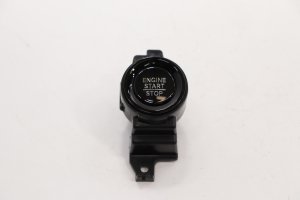
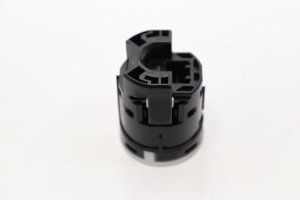
Important Part Clarification: There are two common part numbers associated with this switch. 35881-T4N-H03 is the complete electronic switch assembly. Part number 35881-TZAA01 is often just the plastic button cap. If your switch is malfunctioning, you need the complete assembly (35881-T4N-H03 or a superseding number), not just the cap.
Buying a Used Ignition Switch
A used OEM ignition switch is an excellent, cost-effective alternative to a new part. Since this part does not require programming, it is a simple plug-and-play replacement. Here’s what to look for:
- Verify the Part Number: Ensure the part number matches what is required for your vehicle. The primary part number is 35881-T4N-H03, which replaces older versions 35881-T4N-H01 and 35881-T4N-H02.
- Inspect the Connector: Look closely at the electrical connector pins on the used switch. They should be straight, clean, and free of any corrosion or damage. The plastic housing should be intact with no cracks.
- Check the Button Action: The button should press smoothly and return crisply without sticking. A mushy or sticky feel indicates internal wear or contamination.
- Why Used OEM is a Good Choice: The original Honda part is built to a high standard of quality and durability. A low-mileage used OEM switch is often a more reliable choice than a cheap, new aftermarket part which may have a different button feel, lower quality internal contacts, and a shorter lifespan.
Programming and Immobilizer Requirements
No Programming Required: Replacing the Engine Start/Stop switch assembly does not require any programming or flashing. The vehicle's anti-theft and immobilizer information is stored in the Body Control Module (BCM) and the key fob, not in the switch itself. You can swap the switch without needing a trip to the dealer or a locksmith.
If you replace your key fob or if the system loses synchronization after the vehicle's battery dies, the key fob will need to be programmed to the vehicle. This is a separate procedure from replacing the physical ignition switch.
Cost of Replacing the Ignition Switch
| Part or Service | Estimated Cost |
|---|---|
| New OEM Switch (e.g., 35881-T4N-H03) | $90 - $130 |
| New Aftermarket Switch | $35 - $70 |
| Used OEM Switch | $25 - $60 |
| Shop Labor Cost | $100 - $200 |
Replacement Overview
Replacing the ignition switch is a straightforward job that is feasible for a DIY mechanic with basic tools. The difficulty is low and it typically takes less than 30 minutes.
- Disconnect the negative terminal of the 12V battery.
- Use a plastic trim removal tool to carefully pry off the panel surrounding the ignition switch. On most models, this panel is held in by clips and pops straight off.
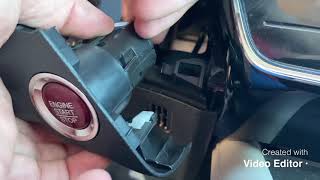
- Disconnect the electrical connector from the back of the switch. There is a small release tab you must press to unplug it.
- Press the locking tabs on the sides of the switch housing to release it from the panel.
- Push the new switch into the panel until it clicks into place.
- Reconnect the electrical connector and the battery terminal, then test for proper operation before snapping the trim panel back on. 🎬 See this step-by-step tutorial for replacing the ignition button.
Frequently Asked Questions (FAQ)
Does a new ignition switch need to be programmed to my Honda?
No. The physical Engine Start/Stop button is a simple switch and does not store any electronic information. It is a plug-and-play part that does not require programming or a dealer visit.
Can I replace the Honda ignition switch myself?
Yes, this is a relatively easy DIY repair. It typically only requires a plastic trim removal tool and can be completed in under 30 minutes. The switch is usually held in place by clips, not screws.
How do I know if the ignition switch is bad or if my key fob battery is dead?
Try this test: place your key fob directly against the start button and press the button. If the car starts, your ignition switch is fine, but your key fob battery is weak and needs to be replaced. If the car still does not start, the ignition switch or another component may be the problem.
🎬 Watch: Troubleshooting a Honda HR-V that won't start.What is the difference between part numbers 35881-T4N-H03 and 35881-TZAA01?
Part number 35881-T4N-H03 is the complete switch assembly, including the button and the electronics. Part number 35881-TZAA01 is typically just the plastic button itself without the electronic switch. For a functional repair, you need the complete switch assembly.
Helpful Videos


Technical Specifications
OEM Part Numbers: 35881-T4N-H03 35881-T4N-H02 35881-T4N-H01 35881-T4N-H12 35881-T4N-H13 35881-T4N-H14 35881-TZAA01
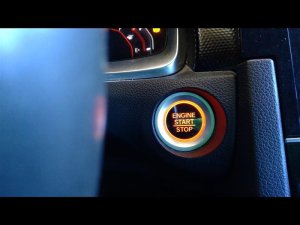
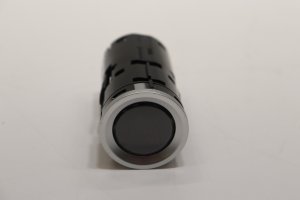
Momentary contact electronic switch for keyless 'Smart Entry' systems. Gasoline models only.
We Have This Part in Stock


The information in this article is provided for general reference and educational purposes only. Vehicle specifications, procedures, and part compatibility can vary by production date, trim level, and region. Always consult your vehicle's factory service manual and verify part numbers before purchasing or performing repairs. Safety-critical components such as airbags, seat belts, and braking systems should be installed by a qualified professional.
- Honda HR-V:
- Honda Accord:
- Honda Civic:
- Honda CR-V:
- Honda Pilot:
- 🎬 Helpful Videos
- 🛍️ Shop This Part
- Before You Replace the Ignition Switch: Rule These Out First
- Symptoms of a Failing Ignition Switch
- Known Issues, TSBs, and Recalls
- Honda HR-V (2016-2018) Warranty Extension
- 2022-2025 Models (Accord, Civic, CR-V, Pilot)
- Buying a Used Ignition Switch
- Programming and Immobilizer Requirements
- Cost of Replacing the Ignition Switch
- Replacement Overview
- Frequently Asked Questions (FAQ)
- 🎟️ Get 5% Off