

Honda Keyed Ignition & Push-Button Start Guide: 2014-2025 CR-V, Accord, Civic & More
From keys that won't turn to sticky start buttons that won't fire, this guide covers diagnosis, replacement, and the critical programming steps for both common Honda ignition systems.
- The most critical factor is identifying your system: a traditional 'keyed' ignition cylinder or a 'push-button' start switch.
- Replacing a KEYED ignition cylinder ALWAYS requires professional programming of the new keys to the vehicle's immobilizer. It is not a plug-and-play part.
- Replacing a PUSH-BUTTON start switch does NOT require programming. It is a simple plug-and-play fix, making used OEM parts a great value.
- The most common push-button failure is needing multiple presses to start, often with a 'Keyless Start System Problem' message and DTC B12C5. Always test for a weak key fob battery first.
Keyed Ignition vs. Push-Button Start: A Critical Distinction
Before diagnosing any starting issue, you must identify which system your Honda uses. The repair process, cost, and parts are completely different. This guide covers both systems found across the 2014-2025 Honda CR-V, 2018-2025 Honda Accord, 2016-2025 Honda Civic, 2023-2025 Honda HR-V, 2019-2022 Honda Insight, 2018-2025 Honda Odyssey, and 2023-2025 Honda Pilot.
- Keyed Ignition Lock Cylinder: You insert a physical key into the steering column or dashboard and turn it. This is typically found on lower trim levels, such as the LX, of older models in this year range.
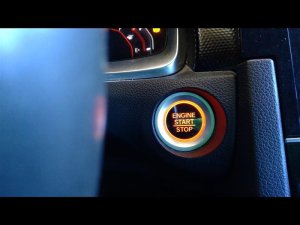
- Push-Button Start: You press a button labeled 'ENGINE START/STOP' on the dashboard while your key fob is inside the car. This is standard on almost all modern mid-to-upper level trims and is becoming standard on all trims of the newest models.
Part 1: Keyed Ignition Lock Cylinder
This traditional system combines a mechanical lock with an electronic switch and an anti-theft immobilizer reader. Failures can be mechanical or electrical.
Vehicles Primarily Affected
While many Hondas have moved to push-button start, a keyed ignition can still be found, primarily on base model trims. Always verify your specific vehicle, but generally, this applies to:
- 2014-2022 Honda CR-V: Primarily the LX trim.
- 2016-2021 Honda Civic: Primarily the LX trim.
Symptoms of a Failing Keyed Ignition
Failure often begins intermittently. You may notice one or more of the following signs:
- Key Won't Turn: The key feels stuck and won't turn from the 'LOCK' (0) or 'ACCESSORY' (I) position. This is often due to worn tumblers inside the cylinder.
- Engine Stalls After Starting: The car starts but dies as soon as you release the key from the 'START' (III) to the 'ON' (II) position. Jiggling the key might keep it running, which points to bad electrical contacts.
- Intermittent No-Crank/No-Start: You turn the key to 'START' and nothing happens—no click, no crank. This can be mistaken for a dead battery or starter.
- Flickering Dashboard Lights: The dashboard lights and accessories cut out while driving or when you turn the key, indicating a poor electrical connection inside the switch.
- Key is Hard to Insert or Remove: Worn components can make the physical action of using the key difficult.
CRITICAL: Replacement Requires Key Programming!
You cannot simply swap a used ignition lock cylinder and key into your car and drive away. The new keys contain a transponder chip that must be electronically paired with your vehicle's immobilizer system. Without this step, the key will turn the cylinder, but the engine will not start. This programming MUST be done by a Honda dealership or a qualified automotive locksmith with specialized equipment like the Honda Diagnostic System (HDS). There is no DIY method for programming keys on these modern Hondas.
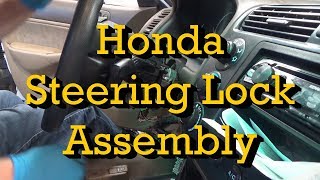
🎬 Watch: How to replace the steering lock assembly and program the immobilizerPart 2: Push-Button Start Switch
This system is much simpler electronically. The button itself is just a momentary switch. The anti-theft logic is handled by other modules in the car that communicate with the key fob. The button itself is a very common failure point.
Vehicles Primarily Affected
This system is used on the vast majority of the vehicles covered in this guide, including:
- 2018-2025 Honda Accord: All trims, including LX.
- 2016-2025 Honda Civic: EX, Sport, Touring, and other mid-to-high trims.
- 2014-2025 Honda CR-V: All trims except some base LX models.
- 2023-2025 Honda HR-V: All trims.
- 2019-2022 Honda Insight: All trims.
- 2018-2025 Honda Odyssey: All trims.
- 2023-2025 Honda Pilot: All trims.
Known Issue: Sticky or Unresponsive Start Button (TSB 20-117)
A widespread, well-documented problem affects the Engine Start/Stop switch on many Hondas. The internal contacts wear out, leading to poor connection.
Symptoms Include:
- Multiple Presses to Start: This is the most common symptom. You have to press the button two, three, or even ten times for the engine to crank.
- 'Keyless Start System Problem' Message: This error often appears on the instrument cluster when the switch fails to make contact.
- DTC B12C5: A scan tool will often show Diagnostic Trouble Code B12C5, which directly translates to 'Engine Start/Stop Switch Failure'.
- Delayed Start: You press the button and there's a noticeable delay before anything happens.
This issue is so common that Honda issued Technical Service Bulletin (TSB) 20-117 and other similar bulletins, extending the warranty on the switch for certain models like the 2016-17 Pilot, 2017 Ridgeline, and 2016-18 HR-V to 9 years or 125,000 miles. If you own one of these vehicles, contact a dealer with your VIN to check for eligibility.
Pro Tip: Diagnose Before You Replace!
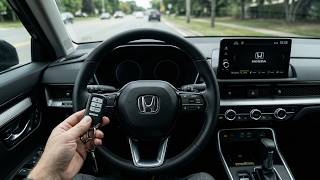
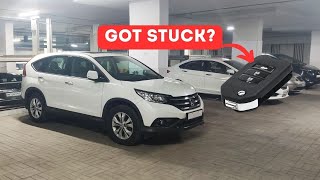
Before you buy a new switch, ALWAYS test for a weak key fob battery first. Hold the top of the key fob directly against the face of the Engine Start/Stop button and press the button with the fob itself. If the car starts, the ignition switch is working perfectly. You just need to replace the CR2032 coin battery in your key fob.
🎬 Watch: How to start your Honda when the key fob isn't detectedReplacement: A Simple, No-Programming Fix
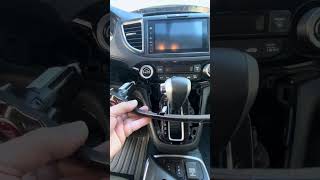
Unlike the keyed cylinder, the push-button switch is a simple plug-and-play part. It does NOT require any programming. Replacement is straightforward for a DIYer and involves carefully prying off the surrounding dash trim, reaching behind the switch, depressing two retaining tabs, and unplugging the electrical connector.
🎬 See this step-by-step push button start replacement walkthroughBuying a Used Ignition Switch: What You Must Know
Buying a used OEM part can save you a significant amount of money, but the rules are different for each type of switch.
For Keyed Ignition Cylinders:
- MUST GET THE KEY: A lock cylinder without its matching key is a paperweight. Ensure the used part includes at least one key that turns smoothly in the cylinder.
- BUDGET FOR PROGRAMMING: You are not buying a plug-and-play part. You MUST factor in the cost of a dealer or locksmith visit (typically $100-$180) to program the used key's transponder to your car's computer.
- INSPECT THE KEYWAY: Look for excessive wear or damage inside the keyhole.
- WHY USED OEM IS A GOOD CHOICE: Original Honda lock cylinders are high-quality. As long as you get the key and program it correctly, a used OEM unit is often more reliable than a cheap new aftermarket cylinder with inferior internal parts.
For Push-Button Start Switches:
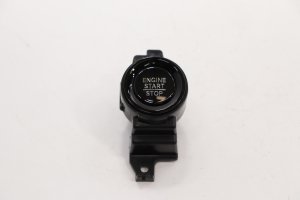
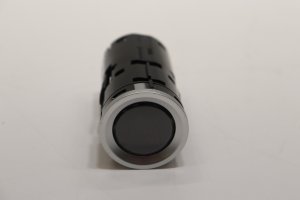
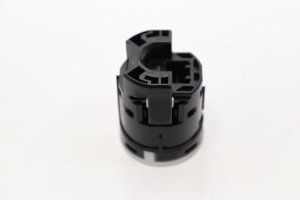
- VERIFY THE PART NUMBER: While many look similar, there are different part numbers for different models and sometimes different trim levels (e.g., different color illumination rings). Match the part number exactly. Common numbers include 35881-TBA-A01 and 35881-T5A-J03.
- NO PROGRAMMING NEEDED: This is the key advantage. A used OEM push-button switch is a direct, plug-and-play replacement. This makes it an excellent value compared to buying new.
- PHYSICAL INSPECTION: Check for a sticky button, worn lettering, or cracks in the plastic housing.
Cost Comparison
| Part / Service | Keyed Ignition Cylinder | Push-Button Start Switch |
|---|---|---|
| New OEM Part | $250 - $450+ | $60 - $105 |
| New Aftermarket Part | $100 - $200 | $25 - $50 |
| Used OEM Part | $75 - $150 | $15 - $40 |
| Shop Labor (Replacement) | $130 - $200 | $100 - $150 |
| Shop Labor (Key Programming) | $100 - $180 (Required) | $0 (Not Required) |
| TOTAL ESTIMATED COST (Shop) | $480 - $830 (New OEM) | $160 - $255 (New OEM) |
Frequently Asked Questions (FAQ)
Do I need to program a replacement ignition switch?
It depends entirely on the type. If you have a traditional keyed ignition cylinder, then YES, absolutely. The new keys must be programmed to the car's immobilizer by a dealer or locksmith. If you have a push-button start switch, then NO, the button itself is a simple switch and does not require any programming.
Can I use my old key with a new (used) ignition cylinder?
No. The physical cuts on your old key will not match the tumblers in the new lock cylinder. You must use the key that comes with the replacement cylinder. This is why programming is essential, as your car only recognizes the chip from your original key, not the new one.
My push-start button is sticky and only works sometimes. What's wrong?
This is the classic symptom of a failing Engine Start/Stop switch. The internal contacts are worn. This is a very common problem on many Honda models. Before replacing it, try starting the car by holding your key fob directly against the button to rule out a weak fob battery.
Can a locksmith replace my ignition switch instead of the dealer?
Yes, in most cases. A well-equipped automotive locksmith can physically replace both keyed and push-button switches. More importantly, they have the specialized tools to program the new transponder keys that come with a keyed ignition cylinder, often at a lower cost and with more convenience than a dealership.
Helpful Videos
Technical Specifications
OEM Part Numbers: 06350-T0A-A01 06350-T0A-A11 06350-T0A-A21 06350-Y0S-S21 06350T0AA01 06350Y0SS21 06351-TEA-932 06351-TEA-941 06351-TEA-H12 06351-TLA-911 06351-TLA-H11 06351T0A951 06351TEA932 06351TLA911 35130-TEA-H01 35881-TBA-A01 35881-T5A-J03 35881-TG7-A04
System Type: Keyed Ignition Lock Cylinder with Transponder Immobilizer OR Electronic Push-Button Momentary Switch. Common Associated DTC: B12C5 (Engine Start/Stop Switch Failure).
We Have This Part in Stock


The information in this article is provided for general reference and educational purposes only. Vehicle specifications, procedures, and part compatibility can vary by production date, trim level, and region. Always consult your vehicle's factory service manual and verify part numbers before purchasing or performing repairs. Safety-critical components such as airbags, seat belts, and braking systems should be installed by a qualified professional.
- Honda CR-V:
- HONDA ACCORD:
- Honda Civic:
- Honda HR-V:
- HONDA INSIGHT:
- Honda Odyssey:
- Honda Pilot:
- 🎬 Helpful Videos
- 🛍️ Shop This Part
- Keyed Ignition vs. Push-Button Start: A Critical Distinction
- Part 1: Keyed Ignition Lock Cylinder
- Vehicles Primarily Affected
- Symptoms of a Failing Keyed Ignition
- Part 2: Push-Button Start Switch
- Vehicles Primarily Affected
- Known Issue: Sticky or Unresponsive Start Button (TSB 20-117)
- Replacement: A Simple, No-Programming Fix
- Buying a Used Ignition Switch: What You Must Know
- For Keyed Ignition Cylinders:
- For Push-Button Start Switches:
- Cost Comparison
- Frequently Asked Questions (FAQ)
- 🎟️ Get 5% Off