

Honda Accord, CR-V, Civic & Odyssey Push Start Button Problems: 2016-2025
Diagnosing and fixing the common intermittent no-start issue related to the engine start/stop switch, which thankfully requires no programming to replace.
- This ignition switch does NOT require programming; it is a simple plug-and-play replacement, making used OEM parts a great value.
- The most common failure symptom is needing to press the button multiple times for the engine to start.
- Before replacing the switch, always rule out a weak key fob battery by holding the fob directly against the start button to try and start the car.
- The diagnostic trouble code B12C5 is a strong indicator that the start/stop switch has failed.
Is Your Honda's Push Start Button Failing?

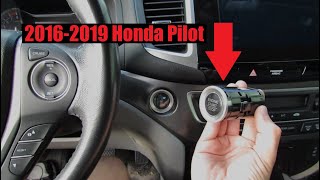
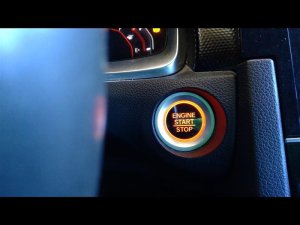
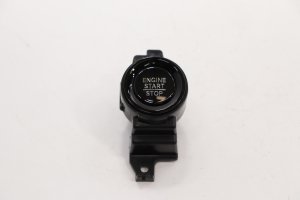
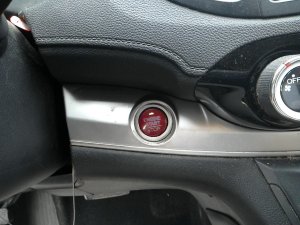
If you own a 2018-2022 Honda Accord, 2017-2022 Honda CR-V, 2016-2021 Honda Civic, or a 2018-2025 Honda Odyssey, you might experience an issue where you press the engine start button and nothing happens, or it takes multiple presses to get the engine to turn over. This intermittent starting problem is a common symptom of a failing Engine Start/Stop switch, part number 35881-TBA-A01. Fortunately, this is a relatively simple and inexpensive part to replace.
Diagnosing the Problem: Switch, Battery, or Something Else?
Before replacing the switch, it's crucial to rule out other common issues that can mimic the same symptoms. A misdiagnosis can lead to unnecessary expense and frustration.
- Weak Key Fob Battery: This is the most frequent cause of starting issues. If the fob's battery is low, the car may not detect its signal.
Pro Tip: Hold the key fob directly against the face of the Engine Start/Stop button and try to start the car. If the vehicle starts, the ignition switch is working correctly, and you simply need to replace the CR2032 coin battery in your key fob.
🎬 Watch: This must-know tip for starting your Honda with a dead fob. - Weak 12V Vehicle Battery: A low main car battery can cause a host of electronic problems, including a failure to crank. If your interior lights are dim or you hear a rapid clicking sound when trying to start, your vehicle's battery is the likely culprit.
- Faulty Brake Pedal Switch: The vehicle will not attempt to start unless the system detects that the brake pedal is pressed. Check if your brake lights are working. If they don't illuminate when you press the pedal, the brake pedal switch may need replacement.
- Gear Selector Position: Ensure the vehicle is firmly in Park (P). The engine will not crank in any other gear. Sometimes an object can obstruct the shifter, preventing it from fully engaging in Park.
Symptoms of a Failing Ignition Switch


If you've ruled out the issues above, the ignition switch itself is the likely cause. Failure is usually due to wear and tear on the internal electrical contacts. Symptoms often start intermittently and become more frequent over time.
- Multiple Presses to Start: You have to press the button several times before the engine will crank. This is the most common sign of a worn-out switch.
- Delayed Start: You press the button, and there is a noticeable delay before the starter engages.
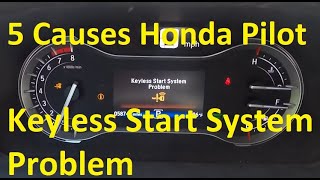
- "Keyless Start System Problem" Message: This warning may appear on your instrument cluster, often accompanied by Diagnostic Trouble Code (DTC) B12C5 (Engine Start/Stop Switch Failure).
- Sticky or Physically Damaged Button: In some cases, the button may feel sticky, especially in cold weather, or fail to return smoothly after being pressed. This can be caused by dirt, spills, or internal wear.
Known Issues, TSBs, and Recalls

While there are no active recalls for the push-button ignition switch on the 2016-2025 Honda Accord, CR-V, Civic, or Odyssey, Honda has acknowledged similar issues on other models. A warranty extension was issued for the 2016-2018 Honda HR-V and 2016-2017 Pilot for this exact problem, extending coverage to 9 years or 125,000 miles. This indicates a known weakness in the switch design from this era. If you own one of the affected vehicles in this guide and are experiencing these symptoms, it is worth contacting a dealer to inquire about any potential goodwill assistance, even if your specific model is not part of an official extension.
Important: A separate issue causing a dead battery on some 2017-2019 Honda CR-V models (TSB A19-039) is due to a software flaw in the Powertrain Control Module (PCM), not the ignition switch. If your CR-V's battery dies after sitting for a few days, this TSB may apply.
Buying a Used Ignition Switch
Because this ignition switch does not require programming, a used OEM part is an excellent, cost-effective option. It is a simple plug-and-play component.
- Why Used OEM is a Good Choice: Aftermarket switches can be of inconsistent quality. A genuine used Honda switch from a low-mileage vehicle offers the same reliability as a new OEM part at a fraction of the cost.
- What to Inspect: When buying used, physically inspect the button. Ensure it has a smooth, crisp action when pressed and returns cleanly. Avoid any switches that feel sticky or look like they have had liquid spilled on them.
- Compatibility: Verify the part number is 35881-TBA-A01. While other part numbers may exist for different trim packages or regions, this is the dominant part number for the vehicles covered in this guide.
- Red Flags: Be wary of parts pulled from vehicles with flood or fire damage. Check the electrical connector pins to ensure they are clean, straight, and free of corrosion.
Replacement Overview & Cost
Replacing the ignition switch is a straightforward job that is feasible for a DIY mechanic with basic tools. The difficulty is low, and it typically takes less than 30 minutes.
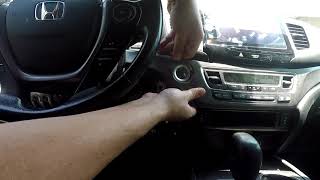
🎬 Watch: A quick walkthrough of the start button replacement process.- Disconnect the negative terminal of the 12V battery.
- Use a plastic trim removal tool to carefully pry off the panel surrounding the ignition switch. On most models, this panel is held in by clips and pops straight off.
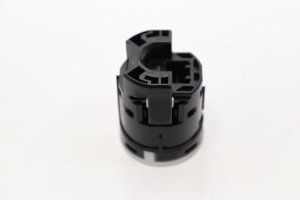
- Press the small release tab on the electrical connector to unplug it from the back of the switch.
- Squeeze the locking tabs on the sides of the switch housing to release it from the panel and push it out.
- Installation is the reverse of removal. The new switch will click into place, and the connector only fits one way.
Programming Required? No. This is the most important takeaway. The Engine Start/Stop switch itself does not need to be programmed or flashed. It is a simple plug-and-play replacement.
Cost Comparison
| Part Type | Estimated Cost |
|---|---|
| New OEM (Dealer) | $30 - $50 |
| New Aftermarket | $15 - $40 |
| Used OEM | $15 - $35 |
| Shop Labor | $100 - $200 |
Frequently Asked Questions (FAQ)
Does replacing the ignition switch require reprogramming my key fobs?
No. The anti-theft and immobilizer information is stored in the vehicle's Body Control Module (BCM) and the key fobs themselves, not in the physical start button. Replacing the button is a simple swap that does not affect key programming.
Can I just clean the switch instead of replacing it?
Some owners have had temporary success by disassembling the switch and cleaning the internal contacts with electrical contact cleaner. However, this is often a short-term fix. Given the low cost of a replacement part, installing a new or quality used switch is the recommended permanent repair.
My car shows a "Keyless Start System Problem" error. Is it definitely the switch?
Not necessarily. While a faulty switch is a very common cause for this message (especially with code B12C5), the error can also be triggered by a weak key fob battery, a failing main 12V car battery, a bad brake light switch, or a blown fuse. Always perform the simple diagnostic checks first.
Is the replacement process different for the Accord, CR-V, Civic, and Odyssey?
The basic steps are identical for all models: pop the trim, unplug the connector, and release the switch. The only difference is the shape of the surrounding trim panel and how it is removed. The switch itself and its mounting method are the same.
Helpful Videos

Technical Specifications
OEM Part Numbers: 35881-TBA-A01 35881TBAA01
10-pin electrical connector. Momentary contact push-button switch.
We Have This Part in Stock


The information in this article is provided for general reference and educational purposes only. Vehicle specifications, procedures, and part compatibility can vary by production date, trim level, and region. Always consult your vehicle's factory service manual and verify part numbers before purchasing or performing repairs. Safety-critical components such as airbags, seat belts, and braking systems should be installed by a qualified professional.
- Honda Accord:
- Honda CR-V:
- Honda Civic:
- Honda Odyssey:
- 🎬 Helpful Videos
- 🛍️ Shop This Part
- Is Your Honda's Push Start Button Failing?
- Diagnosing the Problem: Switch, Battery, or Something Else?
- Symptoms of a Failing Ignition Switch
- Known Issues, TSBs, and Recalls
- Buying a Used Ignition Switch
- Replacement Overview & Cost
- Cost Comparison
- Frequently Asked Questions (FAQ)
- 🎟️ Get 5% Off