

GM Ignition Switch Failure (2010-2022): Stalling, No-Start & Relearn Guide for Cruze, Sonic, Encore & More
This guide covers the common failures, recalls, and critical anti-theft relearn procedures for the turn-key ignition switch used in many popular Buick and Chevrolet vehicles.
- Many of these vehicles were part of a major recall for ignition switches that could turn off while driving, disabling the engine and airbags.
- If the car won't start after replacing the switch, a DIY '30-minute relearn procedure' is required to sync the anti-theft system. No special tools are needed.
- This guide is for the electrical ignition switch, not the mechanical lock cylinder. In many cases, only the switch needs replacement, allowing you to keep your original keys.
- Symptoms are often electrical and intermittent, including stalling, no-start conditions, and flickering dash lights or accessories.
Is This Your Part? Switch vs. Lock Cylinder

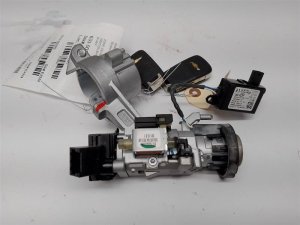
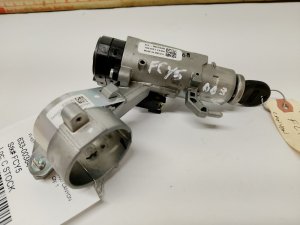
It's crucial to understand the difference between two parts that are often confused: the ignition lock cylinder and the ignition switch. The lock cylinder is the mechanical part you put your key into. The ignition switch is the electronic component that the lock cylinder turns. The part numbers listed in this guide (such as 23276089 and 20912838) are for the electrical switch. In many cases, you can replace just the failed electrical switch without changing the lock cylinder, which means you can keep using your original keys.
Symptoms of a Failing Ignition Switch

A faulty ignition switch can cause a wide range of confusing and intermittent electrical problems. Because it controls power to so many systems, symptoms can seem unrelated.
- Engine Stalls While Driving: This is a dangerous symptom, often caused by worn internal contacts in the switch. Hitting a bump or even the vibration of the engine can be enough to momentarily cut power, causing the engine to shut off. This was the central issue in major GM recalls.
- No-Crank / No-Start: You turn the key, the dashboard lights may or may not come on, but the engine doesn't even try to crank. The switch isn't completing the circuit to the starter motor.
- Starts and Immediately Dies: The engine cranks and fires up but shuts off after a second or two. This often indicates a problem with the anti-theft system's communication with the ignition switch.
- Intermittent Electrical Problems: You might notice the radio cutting out, dashboard lights flickering, or power windows not working. This happens when the switch fails to supply steady power to the accessory circuits.
- Key is Hard to Turn or Gets Stuck: While this can be a mechanical issue with the lock cylinder, binding in the ignition switch can also make the key difficult to turn or remove.
- Warning Lights On: A failing switch can trigger various warning lights, including the check engine light, ABS light, or the security/anti-theft light.
Known Issues, Recalls, and Technical Service Bulletins (TSBs)

Many of the vehicles covered by this guide were part of the highly publicized GM ignition switch recalls of the mid-2014s. Owners should verify with a dealer or using their VIN on the NHTSA website if these recalls were performed.
Major Ignition Switch Recalls
A primary defect allowed the ignition switch to be knocked out of the "Run" position by a driver's knee or the weight of a heavy keychain, especially when hitting a bump. This would shut off the engine and, critically, disable the airbags, power steering, and power brakes.
- Vehicles Affected by Key Rotation Recall (e.g., GM Recall 14299): 2010-2015 Buick LaCrosse, 2014-2015 Chevrolet Impala, and others. The fix often involved a new key design and plastic inserts to prevent accidental movement.
- Key Removal Without Being in Park (GM Recall 50490/50491): Certain 2013 Buick Encore, 2011 Buick Regal, 2011-2015 Chevrolet Cruze, 2010-2015 Chevrolet Equinox, and 2014-2015 Chevrolet Impala models were recalled because a faulty park lock lever could allow the driver to remove the key when the transmission was not in Park, creating a rollaway risk.
- Key-in-Ignition Chime Failure (GM Recall 17130): Some 2013-2016 Chevrolet Sonic models with a specific radio could fail to sound the warning chime if the key was left in the ignition, increasing theft risk. The fix was a radio software update.
Vehicle-Specific TSBs
- 2011-2015 Chevrolet Cruze: A special coverage program was issued for a faulty negative battery cable that could cause symptoms mimicking a bad ignition switch, like flickering displays and loss of power steering. Another TSB addresses a no-start condition in cold weather (code P1682) due to a faulty ignition relay, not the switch itself.
- 2010 Buick LaCrosse: TSB PIC5668A was issued for vehicles where it was difficult to turn the key to the lock/off position.
Warning: For Chevrolet Colorado models from 2015, it is critical to verify your vehicle has the 6-pin, 45-degree angled connector before ordering a replacement switch. While not part of the original vehicle list, earlier Colorado models (2004-2011) used a green 6-pin plug that is well-documented, and this design language may carry over. Always visually inspect the connector on your existing switch.
Programming & Anti-Theft Requirements
This is the most critical part of replacing this ignition switch. Will the car start after you install a new one? The answer is maybe, but there is a straightforward fix if it doesn't.
These vehicles use GM's Passkey III (PK3) or a similar transponder key anti-theft system. The system works by having the key, ignition switch/lock cylinder, and the car's computer modules communicate. If they don't recognize each other, the car will not start, or will start and then immediately shut off.
The 30-Minute Security Relearn Procedure (DIY)
If you replace the ignition switch and the car won't stay running (and you see a flashing security light), you must perform a security relearn. The good news is that you can do this yourself without any special tools.
- Turn the key to the "ON" position (do not start the engine). The security light on the dash will illuminate.
- Leave the key in the "ON" position for approximately 10-11 minutes, or until the security light turns off.
- Turn the key to the "OFF" position for 5-10 seconds.
- Repeat steps 1-3 two more times for a total of three cycles (about 30 minutes total).
- After the third cycle, turn the key off, then try to start the vehicle. It should now start and run. The vehicle has now learned the new component.
Pro Tip: Make sure your vehicle's battery is fully charged or connected to a battery charger before starting the relearn procedure. The process can drain the battery, and if voltage drops too low, the relearn will fail.
Buying a Used Ignition Switch
A used OEM ignition switch can be a reliable and cost-effective repair. Since these switches had known issues leading to recalls, a used part from a later model year or one that has been inspected can be a smart choice. Aftermarket switches can sometimes have a different 'feel' or lower-quality internal contacts that lead to premature failure.
- Verify the Part Number: Match the OEM part number from your old switch to the used one. Superseded part numbers (like 23276089 replacing 20912838) are common and acceptable.
- Inspect the Connector: Check for any signs of melting, corrosion, or broken plastic on the electrical connector and pins.
- Ask About the Key: If you are buying a complete assembly with the lock cylinder, you MUST get the matching key. Without the transponder chip from the matching key, the vehicle will not start. If you are only buying the electrical switch, this is not a concern.
- Choose OEM: A used original equipment (GM) part is often more reliable than a new, cheap aftermarket part. The materials and tolerances are built to the manufacturer's original specifications.
Cost of Replacement
| Part/Service | Estimated Cost |
|---|---|
| New OEM Ignition Switch | $50 - $100 |
| New Aftermarket Ignition Switch | $30 - $75 |
| Used OEM Ignition Switch | $25 - $60 |
| Shop Labor | $70 - $150 |
| Total Professional Replacement | $120 - $250 |
Frequently Asked Questions (FAQ)
Do I need a locksmith or dealer to program the new ignition switch?
Not usually. If the car fails to start after replacement due to the anti-theft system, you can perform the 30-minute manual relearn procedure yourself at home with no special tools. A dealer or locksmith is only needed if this procedure fails or if you need to program a brand new key.
Can a bad ignition switch drain my battery?
Yes. If the switch fails to completely turn off all accessory circuits when you turn the car off, it can cause a parasitic draw that drains the battery overnight. This is a common, though less-discussed, symptom.
Is it safe to drive with a failing ignition switch?
No. If your vehicle is experiencing any stalling while driving, it is not safe to operate. A sudden loss of engine power also means the loss of power steering and power brakes, and could disable your airbags in a crash. The vehicle should be repaired immediately.
What OBD-II codes are associated with a bad ignition switch?
While many issues won't set a code, you might see code P2534 (Ignition Switch Run/Start Position Circuit Low). On some Chevy Cruze models, a related code is P1682 for the ignition relay. More often, a failing switch causes symptoms without triggering a specific check engine light code.
Technical Specifications
OEM Part Numbers: 20912838 20939745 23276089 25799293 42496147 42597803 52102799 94737994 95321828 D1439H
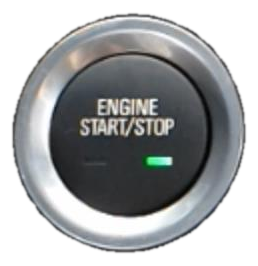
This is a conventional turn-key ignition switch, not for push-button start systems. It communicates with the vehicle's BCM and Passkey III (or similar) anti-theft system. For some models like the Chevrolet Colorado, a 6-pin, 45-degree angled connector may be used and should be visually verified.
We Have This Part in Stock




The information in this article is provided for general reference and educational purposes only. Vehicle specifications, procedures, and part compatibility can vary by production date, trim level, and region. Always consult your vehicle's factory service manual and verify part numbers before purchasing or performing repairs. Safety-critical components such as airbags, seat belts, and braking systems should be installed by a qualified professional.
- Buick Encore:
- Chevrolet Sonic:
- Buick Allure:
- Buick LaCrosse:
- Buick Regal:
- Chevrolet Caprice:
- Chevrolet Colorado:
- Chevrolet Cruze:
- Chevrolet Equinox:
- Chevrolet Impala:
- Chevrolet Malibu:
- Chevrolet Orlando:
- Chevrolet Spark:
- Chevrolet Trax:
- GMC Canyon:
- GMC Terrain:
- 🛍️ Shop This Part
- Is This Your Part? Switch vs. Lock Cylinder
- Symptoms of a Failing Ignition Switch
- Known Issues, Recalls, and Technical Service Bulletins (TSBs)
- Major Ignition Switch Recalls
- Vehicle-Specific TSBs
- Programming & Anti-Theft Requirements
- The 30-Minute Security Relearn Procedure (DIY)
- Buying a Used Ignition Switch
- Cost of Replacement
- Frequently Asked Questions (FAQ)
- 🎟️ Get 5% Off