

2017-2020 Genesis G80 3.8L Knock Sensor: Chewed Wires, P0325, and Replacement Guide
This guide covers the common causes of knock sensor failure on the 2017-2020 Genesis G80 3.8L, including the surprisingly frequent issue of rodent-damaged wiring.
- This guide is ONLY for the 2017-2020 Genesis G80 with the 3.8L V6 engine.
- The most common cause of a knock sensor code is rodent damage to the wiring harness; always inspect the wires before buying parts.
- Replacement is a very difficult (5/5) job requiring removal of the intake manifold; it is highly recommended to replace both sensors and the intake gaskets at the same time.
- The mounting bolt torque of 11.6 - 17.3 lb-ft is critical for the new sensor to function correctly.
Vehicles Covered
This guide applies exclusively to the following vehicle equipped with the 3.8L V6 engine:
- 2017-2020 Genesis G80 (with 3.8L V6 Engine)
Compatibility Warning: This guide and the part numbers listed are for the 3.8L V6 G80 only. They do not apply to the G80 with the 3.3T or 5.0L V8 engines, nor do they apply to the Genesis G90, which uses different engines and sensors.
Symptoms of a Failing Knock Sensor
When a knock sensor fails or its wiring is damaged, the ECM can no longer 'hear' what's happening in the cylinders. To protect the engine, it defaults to a safe 'limp mode,' resulting in several noticeable symptoms:
- Check Engine Light: This is the most common symptom. The light will be on, and one or more of the codes below will be stored.
- Reduced Engine Power: The car will feel sluggish and slow to accelerate as the ECM retards ignition timing to prevent potential damage.
- Poor Fuel Economy: The engine runs inefficiently in its protective mode, leading to a noticeable drop in MPG.
- Engine Pinging or Knocking: Ironically, a failed sensor can lead to audible engine knock, especially during acceleration, because the ECM can't detect and stop it.
- Hesitation or Rough Idle: The engine may hesitate when you press the gas pedal or idle unevenly.
Common Diagnostic Trouble Codes (DTCs)
A code reader will typically show one of the following, pointing to a specific sensor bank:
- P0325: Knock Sensor 1 Circuit Malfunction (Bank 1 / Passenger Side)
- P0326: Knock Sensor 1 Circuit Range/Performance (Bank 1 / Passenger Side)
- P0330: Knock Sensor 2 Circuit Malfunction (Bank 2 / Driver Side)
- P0331: Knock Sensor 2 Circuit Range/Performance (Bank 2 / Driver Side)
- P1326: This is a more serious code related to the Knock Sensor Detection System (KSDS). A fault in the knock sensor circuit (like P0325) will disable the KSDS, which is the engine's primary protection against catastrophic bearing failure.
The Real Problem: Rodent Damage vs. Sensor Failure
Warning: Before you buy any parts, you must inspect the wiring harness. A very common issue on these Genesis models is rodent damage to the knock sensor wires. The soy-based insulation used on the wiring can attract mice, rats, and other critters, who chew through the wires and cause an open circuit. This triggers a knock sensor code even if the sensor itself is perfectly fine.
The wiring for the knock sensors is located on the sides of the engine block. Bank 2 (Driver Side) wiring is often more exposed and frequently damaged. A simple visual inspection with a flashlight may reveal chewed wires and save you hundreds of dollars in parts and labor. If the wires are chewed, a simple wiring repair may be all that is needed.
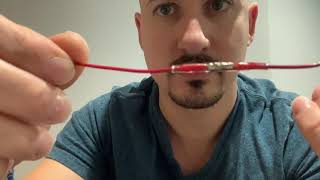
🎬 Watch: How to easily repair a chewed wiring harnessBuying a Used G80 Knock Sensor
If you've confirmed the sensor itself is faulty, a used OEM sensor is a smart, cost-effective choice. These sensors are not high-wear items, and a low-mileage recycled part offers the same performance as a new one for a fraction of the price.
Why OEM is Critical for Sensors
Knock sensors are precisely tuned piezoelectric devices designed to detect a specific vibration frequency from your engine. Cheap aftermarket sensors may not be calibrated correctly, leading to persistent check engine lights, poor performance, or a failure to detect actual, damaging knock. A used OEM sensor from a reputable recycler guarantees the correct calibration and fitment.
Left vs. Right: Verifying Part Numbers
The Genesis G80 3.8L uses two distinct, position-specific knock sensors. They are not interchangeable. Always verify the part number for the side you are replacing:
- Right (Passenger Side / Bank 1): 39320-3L200
- Left (Driver Side / Bank 2): 39320-3L210
Physical Inspection Checklist for a Used Sensor
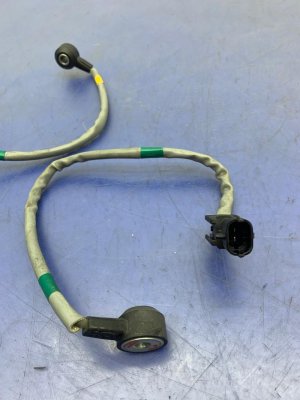
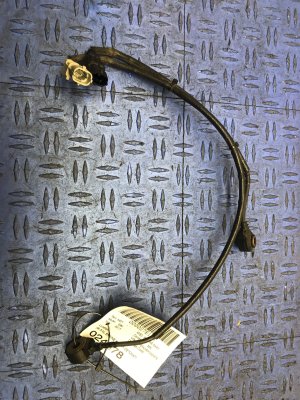
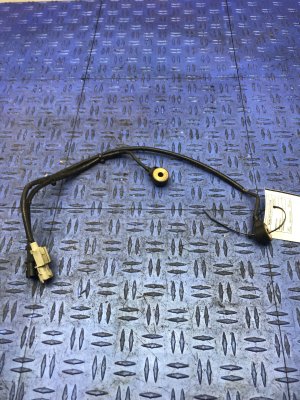
- Check the Connector: Ensure the plastic connector is not cracked, brittle, or broken. The pins inside should be straight and free of corrosion.
- Inspect the Body: Look for any cracks or physical damage to the sensor's housing.
- Examine the Wiring Pigtail: If the sensor comes with a short wire lead, check it carefully for any signs of chewing, fraying, or heat damage.
Replacement Overview (Difficulty: 5/5)
Replacing the knock sensors on the 3.8L V6 is a difficult, labor-intensive job that is not recommended for beginners. The sensors are located deep in the engine valley, underneath the upper and lower intake manifolds.
- Difficulty Rating: 5 out of 5 (Professional service recommended)
- Estimated Time: 3.5 - 5 hours
- DIY Feasible: No
Pro Tip: Because of the high labor cost to access the sensors, it is highly recommended to replace both sensors at the same time, even if only one has failed. This prevents you from having to pay for the same labor-intensive job again in the near future.
Required Parts & Procedures
This job requires more than just the sensors themselves.
- Both Knock Sensors: Right (39320-3L200) and Left (39320-3L210).
- Intake Manifold Gaskets: The upper and lower intake gaskets are single-use and must be replaced to prevent vacuum leaks after reassembly.
Critical Step: The knock sensor mounting bolt must be tightened to a specific torque. The correct specification is 15.7 - 23.5 Nm (11.6 - 17.3 lb-ft). Over-tightening can damage the sensor's internal crystal, while under-tightening will prevent it from detecting vibrations correctly. Either mistake will cause the fault code to return.
Cost Comparison
| Part/Service | Estimated Cost |
|---|---|
| New OEM Sensor (Each) | $105 - $155 |
| New Aftermarket Sensor (Each) | $40 - $120 |
| Used OEM Sensor (Each) | $30 - $75 |
| Shop Labor | $350 - $550+ |
Frequently Asked Questions (FAQ)
Do I have to replace both knock sensors at the same time?
While not strictly required, it is highly recommended. The labor to access the sensors is the most expensive part of the job. Since both sensors have been exposed to the same heat and age, if one has failed, the other may not be far behind. Replacing both at once is a smart preventative measure that saves you from paying for the same 5-hour repair job twice.
What happens if I ignore a bad knock sensor?
Driving with a bad knock sensor is not recommended. Your engine will have reduced power and poor fuel economy. More importantly, the ECM's primary defense against damaging engine knock is disabled. This puts your engine at risk of serious internal damage over time. It also disables the KSDS, which is designed to detect early signs of bearing failure.
Are the left and right knock sensors on the G80 3.8L different?
Yes, they are different parts with unique part numbers and are not interchangeable. The right (passenger) side is part number 39320-3L200, and the left (driver) side is 39320-3L210.
How can I prevent rodents from chewing the wires again?
After repairing or replacing the harness, you can wrap the wires in a special rodent-deterrent tape. Some tapes are infused with capsaicin (the chemical that makes hot peppers hot), which is unpleasant for critters to chew. Keeping the engine bay clean and free of food debris can also help.
Helpful Videos
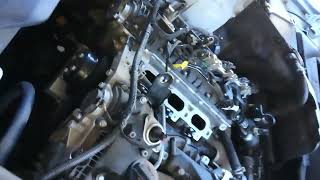
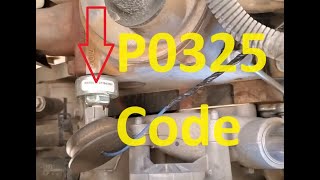
Technical Specifications
OEM Part Numbers: 39320-3L200 (Right/Passenger/Bank 1) 39320-3L210 (Left/Driver/Bank 2)
Mounting Bolt Torque: 15.7 - 23.5 Nm (11.6 - 17.3 lb-ft)
We Have This Part in Stock

The information in this article is provided for general reference and educational purposes only. Vehicle specifications, procedures, and part compatibility can vary by production date, trim level, and region. Always consult your vehicle's factory service manual and verify part numbers before purchasing or performing repairs. Safety-critical components such as airbags, seat belts, and braking systems should be installed by a qualified professional.
- Genesis G80:
- Genesis G90:
- 🎬 Helpful Videos
- 🛍️ Shop This Part
- Vehicles Covered
- Symptoms of a Failing Knock Sensor
- Common Diagnostic Trouble Codes (DTCs)
- The Real Problem: Rodent Damage vs. Sensor Failure
- Buying a Used G80 Knock Sensor
- Why OEM is Critical for Sensors
- Left vs. Right: Verifying Part Numbers
- Physical Inspection Checklist for a Used Sensor
- Replacement Overview (Difficulty: 5/5)
- Required Parts & Procedures
- Cost Comparison
- Frequently Asked Questions (FAQ)
- 🎟️ Get 5% Off