

2010-2014 Legacy & Outback Body Integrated Unit (BIU): Immobilizer Faults and Programming Guide
If your 2010-2014 Subaru Legacy or Outback won't start and the key light is flashing, the Body Integrated Unit (BIU) is the likely cause—and a simple swap won't fix it.
- The immobilizer is part of the Body Integrated Unit (BIU); it is not a separate module.
- Replacing the BIU is NOT a plug-and-play repair. The car will not start until the new or used module is programmed to the vehicle by a dealer or qualified locksmith.
- A used BIU can be installed, but you must budget for the additional cost of professional programming.
- If you lose all your keys, seek a specialized locksmith or mail-in service to reprogram your existing BIU instead of paying a dealer to replace multiple expensive modules.
Symptoms of a Failing BIU / Immobilizer
A failing Body Integrated Unit in a 2010-2014 Subaru Legacy or Outback can cause a range of frustrating issues, from a simple no-start to bizarre electrical problems. Because the BIU controls both the immobilizer and other body functions, symptoms can sometimes be confusing.
- No Crank, No Start: This is the most common and severe symptom. You'll turn the key, the dashboard lights will come on, but the engine will not crank or start.
- Flashing Security Light: A red or green light shaped like a key on your instrument cluster will flash when you try to start the car. This is the BIU's way of telling you it does not recognize the key's transponder chip.
- Engine Starts and Immediately Stalls: In some cases, the engine may fire for a second and then immediately shut off as the immobilizer engages.
- Erratic Electronic Functions: Since the BIU controls more than just the immobilizer, you might experience other strange electrical gremlins. These can include power windows not working, door locks acting up, interior lights staying on or off, or wipers behaving erratically.
Associated Diagnostic Trouble Codes (DTCs)
A professional scan tool may find specific codes stored in the BIU or other related modules. Common codes pointing to an immobilizer or BIU communication issue include:
- B1401: Meter Collation Invalid (A communication error between the BIU and the instrument cluster)
- B1402: Immobilizer Key Collation
- B1410: Transponder Communication
- B1572: Immobilizer Circuit Fault
Warning: The immobilizer system in these vehicles involves a matched set of components: the BIU, the keys, the combination meter (instrument cluster), and the Engine Control Module (ECM). If any one of these parts is replaced, a programming procedure is required to make them all recognize each other again.
Programming is NOT Optional
This is the single most important fact to understand when replacing the BIU in a 2010-2014 Legacy or Outback. You cannot simply install a new or used BIU and expect the car to start. The module must be electronically registered to your vehicle and its existing keys.
Who Can Program a Subaru BIU?
- Subaru Dealerships: Dealers have the required Subaru Select Monitor (SSM) diagnostic tool and access to Subaru's security information to perform the registration. This is the most straightforward, though often most expensive, option.
- Qualified Automotive Locksmiths: Many professional locksmiths have advanced diagnostic tools (like Autel or VXDIAG with SSM3 software) that can perform immobilizer registration for Subarus. They are often a more affordable and convenient option than the dealer.
- Specialized Module Programmers: Some independent shops and mail-in services specialize in programming and cloning modules. They may be able to "clone" the data from your original BIU to a used replacement, making the installation plug-and-play.
Pro Tip: Before buying a used BIU, contact a local dealership or automotive locksmith to confirm they are willing and able to program a customer-supplied used module. Some shops may refuse to work with parts they did not source themselves.
Buying a Used Ignition Immobilizer Module (BIU)
Purchasing a used Body Integrated Unit is a great way to save money, but it requires careful consideration. Unlike a mechanical part, a BIU's condition is electronic, not physical.
- Verify the Part Number: Match the OEM part number from your original BIU exactly. The primary part numbers for this generation are 88205AJ010 and 88281AJ54B. Part number 88281AJ54B is often listed for 2013-2014 models and may supersede an earlier '54A' version. Always double-check the number on your specific unit before ordering.
- Factor in Programming Costs: A used BIU from a recycler might cost $75-$150, but the programming can add another $150-$400. Remember that the total cost is the part *plus* the programming.
- Physical Inspection: When the used part arrives, check the case for any signs of physical damage or water intrusion. Look at the connector pins to ensure none are bent, broken, or corroded.
- Understand the 'All Keys Lost' Scenario: If you have lost all keys to your vehicle, the situation is more complex. A dealer's solution is often to replace the BIU and other modules, costing over $1,500. However, specialized services can often reprogram your existing BIU on a workbench to accept new keys, which is far more cost-effective. If you are in this situation, seek out a mail-in programming service or a high-level automotive locksmith.
Replacement Location and Procedure
The BIU is located under the driver's side dashboard, typically attached to or near the interior fuse box. Physical replacement is straightforward for a DIY mechanic.
- Disconnect the negative battery terminal.
- Remove the lower instrument panel cover under the steering wheel.
- Locate the BIU. It's a plastic box with several large electrical connectors.
- Carefully disconnect all connectors.
- Unbolt the two mounting nuts holding the BIU bracket and remove the unit.
- Installation is the reverse of removal.
Important: After installing the new or used BIU, the vehicle will be immobilized and will not start. It must be towed or visited by a mobile technician for the final programming step.
Cost Comparison
The cost of resolving a BIU issue involves both the part and the specialized labor for programming. Prices are estimates and can vary by location and supplier.
| Item | Estimated Cost |
|---|---|
| New OEM BIU | $210 - $300 |
| Used OEM BIU | $75 - $170 |
| Shop Labor (Programming) | $150 - $450 |
Frequently Asked Questions (FAQ)
Can I replace the BIU myself to save money?
You can perform the physical swap of the module yourself, which is relatively easy and involves removing the lower dash panel. However, the car will not start until the replacement BIU is professionally programmed to your vehicle's keys and other modules. You must factor in the cost of towing or a mobile technician for programming.
Why is the key light flashing and my car won't start after I swapped the BIU?
The flashing key light indicates an immobilizer fault. The new (or used) BIU does not recognize the transponder chips in your keys. It has locked the car's starting system for security. It needs to be registered to your car using a dealer-level scan tool.
Can a locksmith program a used Subaru BIU?
Yes, many well-equipped automotive locksmiths can program a used BIU. They use advanced tools that can perform the same functions as the dealer's Subaru Select Monitor. It is wise to call and confirm with the locksmith before you purchase the part.
I lost all my keys. Does the dealer really have to replace the BIU for $1,700?
While that is often the dealer's standard procedure, it is not your only option. Specialized mail-in services and some locksmiths can reprogram your original BIU on their workbench to accept new keys, saving you hundreds or even thousands of dollars compared to the dealer's replacement-heavy approach.
Technical Specifications
OEM Part Numbers: 88205AJ010 88281AJ54B 88281AJ54A
The immobilizer function is integrated into the Body Integrated Unit (BIU). It communicates with the key's transponder chip, the combination meter, and the Engine Control Module (ECM) to authorize engine start.
We Have This Part in Stock
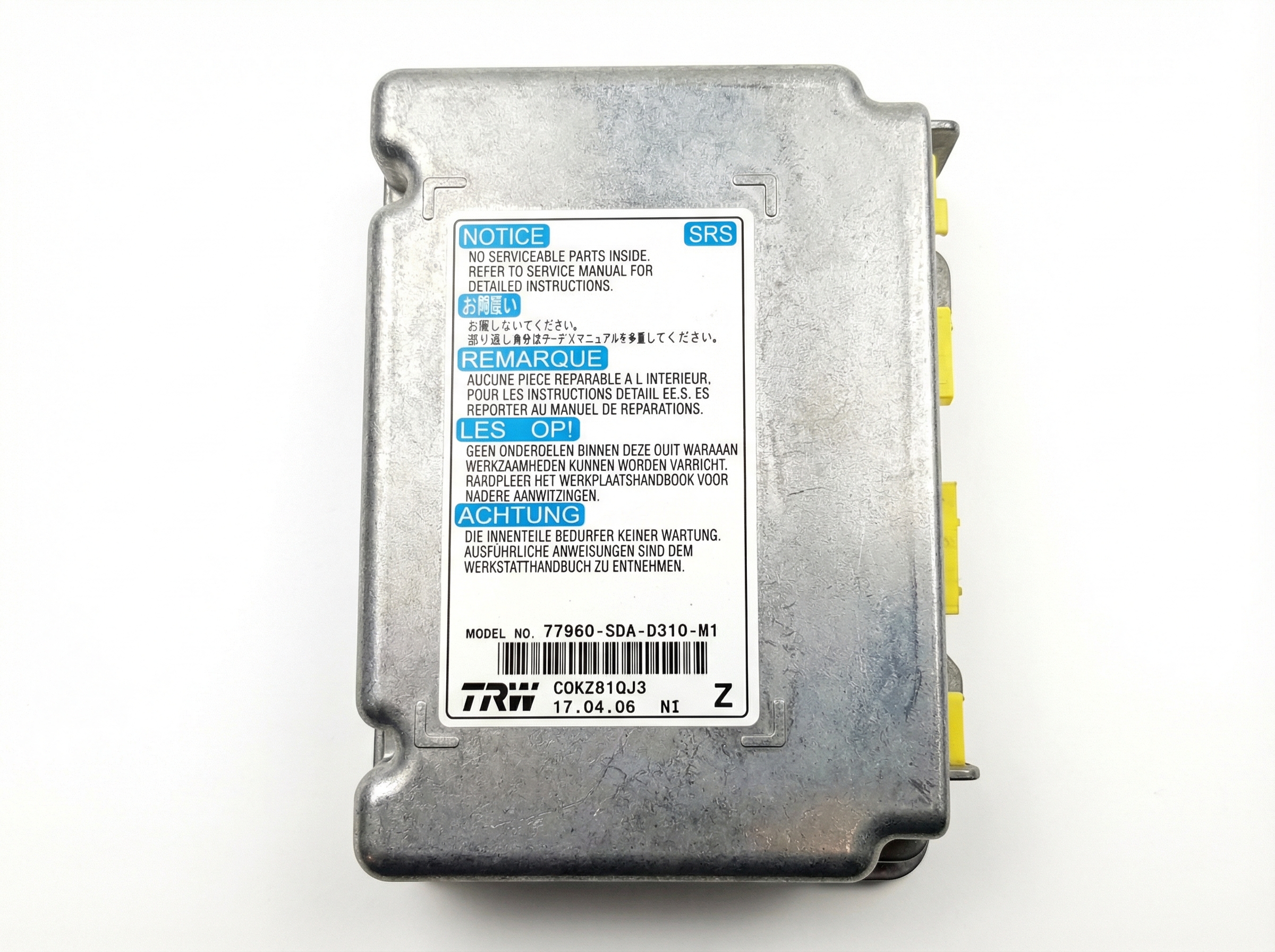



The information in this article is provided for general reference and educational purposes only. Vehicle specifications, procedures, and part compatibility can vary by production date, trim level, and region. Always consult your vehicle's factory service manual and verify part numbers before purchasing or performing repairs. Safety-critical components such as airbags, seat belts, and braking systems should be installed by a qualified professional.
- Subaru Legacy:
- Subaru Outback:
- 🛍️ Shop This Part
- Symptoms of a Failing BIU / Immobilizer
- Associated Diagnostic Trouble Codes (DTCs)
- Programming is NOT Optional
- Who Can Program a Subaru BIU?
- Buying a Used Ignition Immobilizer Module (BIU)
- Replacement Location and Procedure
- Cost Comparison
- Frequently Asked Questions (FAQ)
- 🎟️ Get 5% Off