

2021-2023 Model 3 & 2020-2026 Model Y HVAC Failure: The Heat Pump, Octovalve, and Squeal of Death
A complete guide to the integrated heat pump and Octovalve thermal management system in the Tesla Model 3 and Model Y, covering common failures, recalls, and replacement costs.
- This part fits 2021+ Model 3s and all Model Ys; it does NOT fit 2017-2020 Model 3s with the older resistive heater.
- A loud squeal in cold weather is a critical warning of impending mechanical compressor failure and should be addressed immediately to avoid system-wide contamination.
- A software-related recall (22V-063) can cause loss of heat, but many failures are due to faulty sensors (TSB SB-21-18-002) or mechanical issues that require physical repair.
- Replacement is a complex, 5/5 difficulty job for professionals only, with total costs often exceeding $3,000.
Vehicle Fitment and Important Compatibility Notes

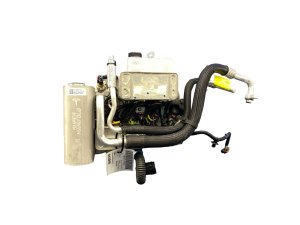
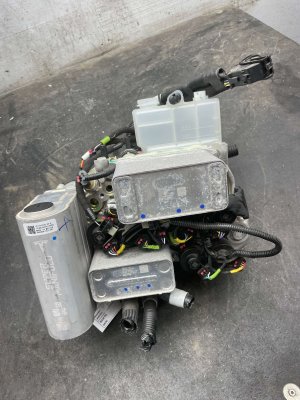
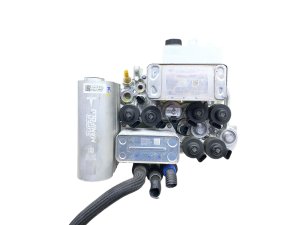
This guide covers the integrated heat pump and HVAC assembly, also known as the Supermanifold or Octovalve assembly, found in the following vehicles:
- 2021, 2022, 2023 Tesla Model 3
- 2020, 2021, 2022, 2023, 2024, 2025, 2026 Tesla Model Y
Compatibility Warning: This part is ONLY for vehicles equipped with the heat pump thermal management system. The Model Y has used this system since its introduction in 2020. The Model 3, however, only adopted the heat pump starting with the 2021 model year refresh (often delivered in late 2020). Pre-2021 Model 3 vehicles use an older, incompatible Positive Temperature Coefficient (PTC) resistive heater. Always verify your vehicle's build date and specifications before purchasing.
Common Symptoms of Failure

A failing heat pump assembly can manifest in several ways, ranging from minor annoyances to critical safety issues.
1. No Cabin Heat or A/C
The most obvious symptom is a complete loss of climate control. The fans may blow, but the air will be at ambient temperature. This can be caused by a software glitch, a failed sensor, or a mechanical failure of the compressor. In extremely cold weather, this is a serious failure that can make the vehicle undrivable.
2. Loud, High-Pitched Squeal or Grinding Noise
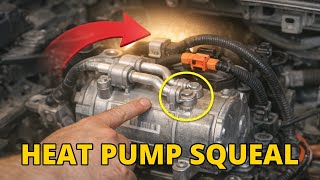
A sharp, metallic squeal coming from the front of the vehicle, especially during preconditioning in freezing temperatures, is a critical warning sign. This sound is different from the normal hum of the system and often indicates the A/C compressor is failing mechanically due to lack of lubrication in the cold. This can lead to metal shavings contaminating the entire system, turning a sensor replacement into a full system replacement.
3. Inability to Defrost Windshield
When the system fails, it cannot produce the heat needed to defrost or defog the windshield. This can severely reduce driver visibility and is a major safety hazard, which prompted a recall.
4. On-Screen Error Messages
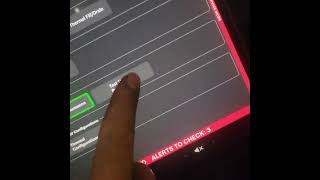
You may see alerts on the touchscreen, such as "Climate system requires service," or specific diagnostic trouble codes (DTCs) like VCFRONT_a447, which is commonly associated with compressor and heat pump failures.
🎬 See how technicians diagnose the VCFRONT_a447 error code.Known Issues, Recalls, and Service Bulletins

Tesla's heat pump system has had several well-documented issues since its introduction.
NHTSA Recall 22V-063 (Tesla SB-22-18-002)
This major recall was issued because a software error could cause a valve in the heat pump to stick open in cold weather. This would trap refrigerant, causing the compressor to enter a fail-safe mode and shut down, leading to a loss of cabin heat and defrost capability. Tesla addressed this with an over-the-air (OTA) software update. While the software fix prevents the issue, the underlying hardware may have been stressed or damaged by the event.
Service Bulletin SB-21-18-002: Faulty P/T Sensors
Many owners have experienced HVAC failures due to faulty refrigerant pressure/temperature (P/T) sensors. These sensors can fail over time, providing incorrect data to the vehicle's computer, which then shuts down the heat pump as a precaution. The official fix is to replace all three P/T sensors and perform a full A/C system evacuation and recharge.
Catastrophic Compressor Failure
Often preceded by the high-pitched squeal, the internal components of the A/C compressor can mechanically fail. When this happens, it can send metal particles throughout the entire refrigerant loop, including the supermanifold, chiller, and lines. This is the most severe failure mode, as it requires replacing multiple components and extensively flushing the system to remove all contaminants.
Pro Tip: If you hear the 'squeal of death' during a cold-weather precondition, record the sound with your phone. 🎬 Watch: Hear what a failing compressor sounds like in the cold. This provides undeniable evidence to the service center and can help expedite diagnosis of a known mechanical issue.
Buying a Used HVAC Heater Assembly

Given the high cost of a new assembly, a used OEM part can be a smart choice, but careful inspection is critical.
- Verify Part Numbers: Match the part number exactly to your original unit. Known OEM numbers for the Supermanifold/Chiller assembly include 1523003-00-B, 1506803-00-E, 1506803-00-F, and 1523006-00-D. Check Tesla's parts catalog for the latest revision for your VIN.
- Ask About the Donor Vehicle: This is the most important step. Ask the seller if the donor vehicle's compressor failed mechanically. If the car lost heat but was quiet, the assembly may be fine. If it was making a loud grinding or squealing noise, the used assembly could be contaminated with metal shavings and should be avoided.
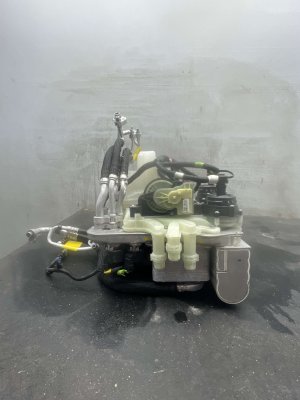
- Inspect All Ports and Connectors: Check the aluminum refrigerant ports for any signs of cross-threading or damage. Ensure all electrical connectors are intact with no bent or corroded pins. Make sure the ports were capped immediately after removal to prevent moisture and debris from entering the system.
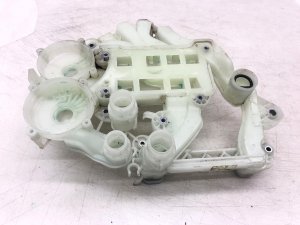
- Look for Physical Damage: The assembly is a mix of aluminum and plastic manifolds. Inspect it carefully for any cracks, deep gouges, or signs of impact that could indicate a hidden leak.
- Plan for a Professional Installation: This is not a DIY job. Installation requires recovering and recharging high-voltage systems, refrigerant, and coolant loops. The system must be properly evacuated to remove moisture and recharged with the correct amounts of R1234YF refrigerant and ND-11 oil. Always install new sealing washers on the A/C lines.
Cost Comparison
Replacing the heat pump assembly is one of the more expensive repairs on these vehicles. A failure out of warranty can be a significant expense.
| Part or Service | Estimated Cost |
|---|---|
| New OEM Assembly (Part Only) | $1,500 - $2,500 |
| Used OEM Assembly (Part Only) | $400 - $900 |
| Shop Labor (Replacement) | $1,600 - $2,400+ |
| Total Cost (New Part) | $3,100 - $4,900+ |
| Total Cost (Used Part) | $2,000 - $3,300+ |
Costs are estimates and can vary based on location and the specific components needing replacement. One owner reported a final bill of $3,694 for a full heat pump and supermanifold replacement. Another owner with an older Model 3 reported a $1,600 heater replacement cost.
Frequently Asked Questions (FAQ)
What is the installation difficulty?
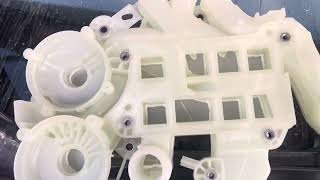
This is a 5 out of 5 difficulty. Replacement requires interaction with high-voltage battery systems, high-pressure refrigerant lines, and multiple coolant loops. It involves removing the front trunk (frunk) and accessing components deep within the vehicle. 🎬 Watch: A detailed walkthrough of the supermanifold replacement process. This job should only be performed by qualified technicians with the proper equipment to recover and recharge the A/C and coolant systems.
Can I fix this with a software update?
Only if your problem is specifically related to the issue covered in recall 22V-063 and your vehicle's software is outdated. If you hear mechanical noises (squealing, grinding), have a failed sensor, or a physical leak, a software update will not fix the problem.
What is the 'Octovalve'?
The Octovalve is a key component of this assembly. It is a complex rotary valve that manages the flow of liquid coolant. It can direct heat from the motors and battery to the cabin, or send cooled fluid to the battery during fast charging, making it the 'brains' of the vehicle's thermal management system.
Why is a used OEM part better than new aftermarket for this?
Currently, there are no direct new aftermarket replacements for the entire Supermanifold assembly due to its complexity and integration with Tesla's software. The only options are new OEM from Tesla or recycled OEM parts. A used OEM part offers a significant cost saving while maintaining the original fit, function, and quality, provided it is sourced from a vehicle without a catastrophic compressor failure.
Helpful Videos

Technical Specifications
OEM Part Numbers: 1506803-00-E 1506803-00-F 1523003-00-B 152300300B 1523006-00-D
Integrated thermal management unit including heat pump, A/C chiller, and Octovalve coolant manifold. Uses R1234YF refrigerant and ND-11 compressor oil.
We Have This Part in Stock


The information in this article is provided for general reference and educational purposes only. Vehicle specifications, procedures, and part compatibility can vary by production date, trim level, and region. Always consult your vehicle's factory service manual and verify part numbers before purchasing or performing repairs. Safety-critical components such as airbags, seat belts, and braking systems should be installed by a qualified professional.
- Tesla Model 3:
- Tesla Model Y:
- 🎬 Helpful Videos
- 🛍️ Shop This Part
- Vehicle Fitment and Important Compatibility Notes
- Common Symptoms of Failure
- 1. No Cabin Heat or A/C
- 2. Loud, High-Pitched Squeal or Grinding Noise
- 3. Inability to Defrost Windshield
- 4. On-Screen Error Messages
- Known Issues, Recalls, and Service Bulletins
- NHTSA Recall 22V-063 (Tesla SB-22-18-002)
- Service Bulletin SB-21-18-002: Faulty P/T Sensors
- Catastrophic Compressor Failure
- Buying a Used HVAC Heater Assembly
- Cost Comparison
- Frequently Asked Questions (FAQ)
- 🎟️ Get 5% Off