

1996-2002 Saturn S-Series HVAC Control: Symptoms and Replacement Guide
This guide covers common failures, diagnosis, and replacement of the climate control module for all 1996-2002 Saturn S-Series models.
- A fan that only works on the highest setting is most likely a bad blower motor resistor, not the control unit.
- When buying a used unit, you must verify that it has an A/C button if your vehicle is equipped with air conditioning.
- Replacement is a simple, plug-and-play job that requires no special tools or programming.
- A burning smell from the dash is a critical symptom that should be addressed immediately to avoid a potential fire hazard.
Symptoms of a Failing HVAC Control Module
When the HVAC control unit in a Saturn S-Series begins to fail, it can cause a range of issues from minor annoyances to a complete loss of climate functions. Because it controls multiple components, symptoms can sometimes be confusing.
1. Blower Fan Only Works on High Speed
This is a classic symptom in many vehicles. While it's most often caused by a failed blower motor resistor, a faulty fan speed switch within the HVAC control unit can also be the culprit. The highest fan setting often bypasses the resistor, sending full battery voltage directly to the blower motor. If the lower speeds fail but the highest speed works, the resistor should be checked first, but the control unit remains a possibility.
2. No Blower Fan Operation on Any Speed
If the fan doesn't work at all, the problem could be a blown fuse, a bad relay, a seized blower motor, or a complete failure of the HVAC control unit. If you've checked the fuses and can confirm the blower motor itself works (by applying 12V power directly to it 🎬 See this guide on troubleshooting a blower motor that won't spin.), the control unit is a likely cause.
3. Inability to Change Air Temperature or Direction
If you're stuck with only hot or cold air regardless of the temperature knob's position, or if the air is stuck coming out of the defrost vents, the control unit may not be sending the correct signals to the blend door or mode door actuators. While the actuators themselves can fail, a dead control unit won't command them to move at all.
4. Intermittent or No Response from Buttons
Buttons for A/C or recirculation that don't respond, or only work sporadically, point to internal failures within the control module's circuit board or switches.
5. Burnt Plastic Smell
A hot electrical or burnt plastic smell coming from the dash area is a serious sign. It could indicate that the control unit's internal electronics are overheating, which can be a fire hazard. This often happens when the blower motor is failing and drawing too much current through the control unit 🎬 Watch: How to remove a failing blower motor. and its wiring.
Known Issues, TSBs, and Recalls
For the 1996-2002 Saturn S-Series, there are no specific recalls or widespread Technical Service Bulletins (TSBs) directly addressing the failure of the main HVAC control unit. Most HVAC-related issues on these cars are related to other components in the system.
- TSB 99-01-37-009C: This bulletin addresses an A/C odor at start-up, which involves cleaning the evaporator case and is not related to the control module's electronic function.
- No Recalls: Searches of the National Highway Traffic Safety Administration (NHTSA) database show no safety recalls for the HVAC control module on these vehicles.
Pro Tip: Many HVAC problems on the S-Series are misdiagnosed. Before replacing the control unit, always check the blower motor resistor (located in the passenger footwell) if your only symptom is the fan working on high speed. Also, check the system's fuses and the blower motor relay.
Buying a Used HVAC Control
Since new OEM parts are scarce and often expensive, a quality used OEM control unit is an excellent choice for this repair. Here’s what to look for:
- Verify the Part Number: Match the OEM part number from your original unit to the replacement. Common part numbers include 21031071 (typically for 1996-1999 models) and 21031429 (for 2000-2002 models). While they may look similar, internal electronics can differ.
- Check the A/C Button: This is the most critical compatibility check. Some S-Series models did not come with air conditioning. These control units have a blank filler plug where the A/C button would be. Ensure the replacement unit has the A/C button if your car has A/C. If you get a unit without the button, you will need to carefully transfer the switch from your original module.
- Inspect the Connectors: Look at the electrical connector ports on the back of the unit. Ensure the plastic isn't cracked and that none of the metal pins are bent, corroded, or pushed back into the housing.
- Test the Knobs and Buttons: The knobs for temperature and mode selection should turn smoothly with distinct clicks. The push buttons should depress and return without sticking. While you can't test it electronically, this physical check can rule out units with obvious mechanical damage.
- Look for Heat Damage: Check the casing and connector ports for any signs of melting or discoloration. This could indicate the unit came from a vehicle with a more serious electrical problem, like a failing blower motor that was drawing too much current.
Cost Comparison
Replacing the HVAC control unit is generally affordable, especially when using a recycled OEM part.
| Part Type | Estimated Cost |
|---|---|
| New OEM | $115 - $185 (if available) |
| New Aftermarket | Not commonly available for this specific model. |
| Used OEM | $35 - $75 |
| Shop Labor | $60 - $120 |
Installation Guide
Replacing the HVAC control unit is a beginner-friendly job that requires basic hand tools.
- Difficulty: 2/5
- Estimated Time: 30 minutes
- Tools Needed: Phillips screwdriver, flathead screwdriver or plastic trim removal tool.
Step-by-Step Replacement
- Disconnect the Battery: Before working on any electrical components, disconnect the negative terminal of your car's battery.
- Remove the Dash Bezel: The trim piece surrounding the radio and HVAC controls is held in by clips. Carefully pry around the edges with a trim tool or a flathead screwdriver wrapped in tape to prevent scratching. It will pop off.
- Unscrew the Control Unit: The HVAC control unit is typically held in place by four Phillips head screws. Remove these screws.
- Disconnect Electrical Connectors: Gently pull the unit out of the dash. There will be one or two electrical connectors on the back. Press the release tab on each connector and pull it straight out.
- Transfer A/C Switch (If Necessary): If your replacement unit has a blank plug instead of an A/C switch, you'll need to swap it. The switch is held in by small plastic clips. Carefully release them and transfer your original switch to the new unit.
- Install the New Unit: Connect the electrical connectors to the new unit, slide it back into the dash, and secure it with the four screws.
- Reinstall Bezel and Reconnect Battery: Snap the dash bezel back into place and reconnect the negative battery terminal. Test all functions of the new control unit.
Warning: Do not force the electrical connectors. If they don't plug in smoothly, check for bent pins or debris in the connector.
Frequently Asked Questions (FAQ)
Do I need to program a replacement HVAC control module?
No. On the 1996-2002 Saturn S-Series, the HVAC control module is a simple plug-and-play component. No programming or special calibration is required.
Why does my fan only work on the highest setting?
This is almost always caused by a failed blower motor resistor, not the control unit itself. The resistor is a separate part located in the passenger-side footwell area that controls the lower fan speeds. The highest speed setting bypasses this resistor, which is why it still works when the resistor fails.
Can I replace the light bulbs behind the control knobs?
Yes, the backlighting for the control unit is provided by small, replaceable incandescent bulbs. You can access them from the back of the unit once it is removed from the dashboard. These are commonly available at auto parts stores.
🎬 Watch: How to replace the backlighting bulbs in your unit.Is it safe to drive with a broken HVAC control?
While the car will run and drive fine, a non-functional HVAC control can be a safety issue. If you cannot operate the windshield defroster, your visibility can be severely limited in cold or rainy weather, making it unsafe to drive.
Helpful Videos
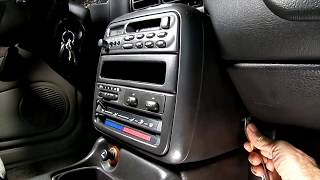
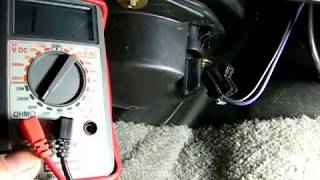
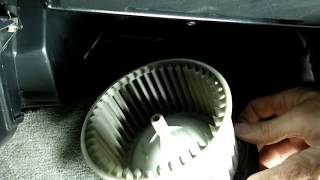
Technical Specifications
OEM Part Numbers: 16177072 21031071 21031429
Manual control for vehicles with air conditioning.
We Have This Part in Stock



The information in this article is provided for general reference and educational purposes only. Vehicle specifications, procedures, and part compatibility can vary by production date, trim level, and region. Always consult your vehicle's factory service manual and verify part numbers before purchasing or performing repairs. Safety-critical components such as airbags, seat belts, and braking systems should be installed by a qualified professional.
- Saturn S-Series:
- 🎬 Helpful Videos
- 🛍️ Shop This Part
- Symptoms of a Failing HVAC Control Module
- 1. Blower Fan Only Works on High Speed
- 2. No Blower Fan Operation on Any Speed
- 3. Inability to Change Air Temperature or Direction
- 4. Intermittent or No Response from Buttons
- 5. Burnt Plastic Smell
- Known Issues, TSBs, and Recalls
- Buying a Used HVAC Control
- Cost Comparison
- Installation Guide
- Step-by-Step Replacement
- Frequently Asked Questions (FAQ)
- 🎟️ Get 5% Off