

2011-2018 Kia Sorento HVAC Control: A Guide to Manual vs. Automatic Units
Avoid buying the wrong part by learning to identify the many different climate control modules used in the second and third-generation Sorento.
- Compatibility is critical. You must visually match your exact unit's buttons (manual vs. auto, heated seats, etc.) and part number before buying.
- You cannot upgrade from a manual to an automatic system by just swapping the control panel.
- Symptoms like one-sided temperature issues are often caused by cheaper blend door actuators, not the control unit itself.
- Replacement is a simple DIY task, usually requiring only basic trim tools and a screwdriver.
- A used OEM unit is often a more reliable and cost-effective choice than a new aftermarket part for this specific component.
Key Differences in Sorento HVAC Controls (2011-2018)

The most significant challenge when replacing the HVAC control unit on a 2011-2018 Kia Sorento is choosing the correct one. Kia produced numerous variations that look similar but are not interchangeable. Installing the wrong unit will result in it not functioning correctly, if at all. Before purchasing a replacement, you must visually match your original unit to the replacement, paying close attention to the button layout and knob functions.
Generation & Control Style Breakdown:
- 2011-2013 (XM Generation): These models feature a distinct vertical layout. The primary variations depend on whether the system is manual or automatic.
- 2014-2015 (XM Facelift): The design was updated to a horizontal layout. Again, the main distinction is between manual and automatic controls, but options like heated seats add further complexity.
- 2016-2018 (UM Generation): These models have a more modern interface, but the core challenge remains: distinguishing between manual, single-zone auto, and dual-zone auto systems, along with other features.
Warning: You cannot upgrade from a manual to an automatic climate control system simply by swapping the control unit. The underlying wiring, sensors (like in-car temperature sensors), and programming are completely different. You must replace your unit with one of the same type.
How to Identify Your Sorento's HVAC Control Type:
Carefully examine your vehicle's current control unit. Here are the key features to check:
- Manual vs. Automatic: Manual controls have knobs with blue and red zones for temperature and numbered settings for fan speed. Automatic controls have a digital screen that displays a specific temperature (e.g., 72°F) and an "AUTO" button.
- Single-Zone vs. Dual-Zone Auto: Single-zone automatic controls have one temperature knob that controls the entire cabin. Dual-zone systems have two separate temperature knobs, one for the driver and one for the passenger.
- Heated Seats: Check for buttons depicting a seat with heat waves. These are often integrated into the HVAC control panel.
- Rear Air Conditioning: Some models have separate controls for rear A/C. Verify if your unit has a "REAR" button.
- Navigation: The presence of a factory navigation system can sometimes dictate a different control unit part number, even if the climate functions appear identical.
Common Symptoms of a Failing HVAC Control Unit

When the HVAC control unit begins to fail, it can cause a variety of frustrating issues. While some problems can be caused by other parts like the blower motor resistor or blend door actuators, a faulty control unit is often the culprit if you experience the following:
- Unresponsive Buttons or Knobs: Buttons or dials do not respond when pressed or turned, or they perform the wrong function.
- Blower Fan Inoperable or Stuck on One Speed: The fan doesn't turn on, or you cannot adjust its speed.
- Incorrect Temperature Output: The system only blows hot air or only cold air, regardless of the temperature setting.
- Airflow Stuck in One Position: You cannot change the airflow from defrost to vents or floor. This can also be a symptom of a failed blend door actuator.
- Intermittent Operation: The A/C or heat works sometimes and fails at other times, often without a clear pattern.
- Control Unit Locks Up: The entire panel becomes unresponsive, which was a known issue on some 2012 models requiring a software update.
- No Backlighting: The lights behind the buttons or screen fail, making it difficult to see at night.
Self-Diagnosis for Automatic Climate Control Units
For Sorento models with automatic climate control (DATC), a built-in diagnostic tool can help identify issues. To run the test:
- Turn the ignition on.
- Press and hold the "OFF" button on the climate control panel.
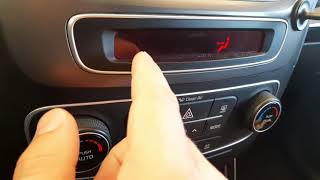
- While holding "OFF", press the "MODE" button four times within two seconds. 🎬 Watch: How to run this climate control self-diagnosis
The display will flash any stored trouble codes. A "00" code means the system is normal. Other codes point to specific sensor or motor faults (e.g., in-car temperature sensor, air mix motor), which can help you determine if the problem is the control unit or another component.
Known Issues, TSBs, and Recalls
While there are no major recalls specifically for the 2011-2018 Sorento HVAC control unit itself, several Technical Service Bulletins (TSBs) and related issues are relevant.
- TSB SA088: For some 2012 Sorento vehicles with manual HVAC systems, Kia issued a service action to address a control head "lock-up" that made the A/C and other functions inoperable. The fix involved a software upgrade.
- TSB SA274: On certain 2017 Sorento models with dual-zone auto climate control, owners reported poor heater performance on the driver's side. This was due to a binding mix door, and a service action was created to adjust it. While not a control unit failure, the symptom (incorrect temperature on one side) could be misdiagnosed as one.
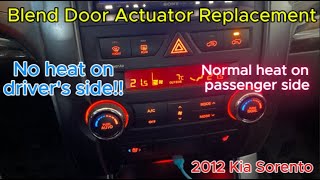
- Blend Door Actuator Failure: A very common issue is for the air temperature to be different on the driver's and passenger's sides, or for the system to be stuck blowing hot or cold air. This is frequently caused by a failed or failing blend door actuator, not the control unit itself. 🎬 See how to replace a failed blend door actuator
A recall for a fire risk related to the HVAC system was issued for 2021-2023 Sorento models, but this does not apply to the 2011-2018 year range.
Buying a Used HVAC Control: What to Look For

Purchasing a used OEM HVAC control is a smart way to save money, as new units can be very expensive. However, careful inspection is key.
- Part Number Verification: The absolute best way to ensure compatibility is to match the OEM part number from your original unit to the replacement. The part number is printed on a sticker on the unit's housing. Even a one-digit difference can mean it won't work.
- Visual Button & Knob Matching: Before buying, hold the potential replacement next to a picture of your original unit. Confirm that every single button, icon, and knob is identical and in the same location. Pay special attention to heated seat, rear A/C, and auto/dual function buttons.
- Inspect for Physical Damage: Check the knobs to ensure they turn smoothly and are not broken. Look for deep scratches or cracks in the faceplate or screen. Examine the rear electrical connectors for any bent or broken pins.
- Check Button Feel and Graphics: Press all the buttons. They should have a consistent, tactile click. Avoid units with heavily worn or faded button graphics, as this indicates high usage and potential for future failure.
Pro Tip: For an electronic module like this, a used OEM part is often a more reliable choice than a new, cheap aftermarket part. Genuine Kia units are built to a higher quality standard and are guaranteed to integrate seamlessly with your vehicle's existing systems without the need for programming.
Cost of Replacement
The cost to replace a Kia Sorento HVAC control unit varies significantly based on the part source and labor.
| Part Source | Estimated Cost |
|---|---|
| New OEM | $380 - $930 |
| New Aftermarket | $150 - $300 |
| Used OEM | $50 - $150 |
| Shop Labor | $100 - $200 |
Replacement Overview

Replacing the HVAC control unit is a relatively simple job that most DIY mechanics can complete in under an hour.
- Difficulty: 2 out of 5
- Estimated Time: 0.5 - 1 hour
- Tools Needed: Plastic trim removal tools, Phillips head screwdriver.
General Steps:
- Disconnect the negative battery terminal.
- Using plastic trim removal tools, carefully pry away the trim surrounding the HVAC control unit and radio. These pieces are typically held in by clips.
- Once the trim is removed, you will see the screws (usually four) holding the control unit in place. Remove them with a Phillips head screwdriver.
- Gently pull the unit out from the dashboard.
- Depress the tabs on the electrical connectors at the back of the unit and disconnect them.
- Connect the new unit, screw it back into place, re-attach the trim, and reconnect the battery to test for function.
In most cases, no special programming is required when swapping a like-for-like unit.
Frequently Asked Questions (FAQ)
Can I upgrade my manual Sorento A/C to automatic climate control?
No, this is not a practical upgrade. The automatic system uses additional sensors, wiring harnesses, and different programming that are not present in a manual A/C vehicle. You would need to replace the entire dashboard and HVAC system, which is extremely complex and expensive.
Do I need to get the new control unit programmed by a dealer?
Generally, no. As long as you are replacing your original unit with a used OEM unit that has the exact same part number, it should be a plug-and-play installation. The only exception might be related to the TSB for 2012 models, which required a software update, but a used unit from a later vehicle would already have this.
My A/C only blows cold on one side. Is the control unit bad?
While possible, this symptom is more commonly caused by a failed blend door actuator. These small motors control the flaps that mix hot and cold air for each side of the vehicle. A diagnostic scan or the built-in self-test on automatic units can help confirm the cause before you replace the control panel.
Why do my fan speeds not work correctly?
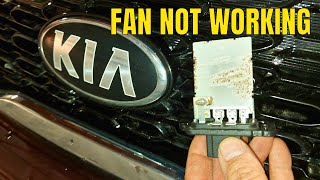
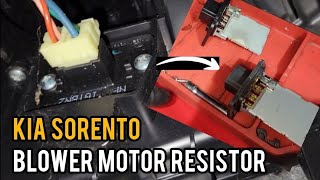
If the fan only works on the highest setting or not at all, the most likely culprit is the blower motor resistor, not the control unit. This resistor controls the voltage sent to the blower motor for different speeds. It's a common failure point in many vehicles and is typically a cheaper and easier part to replace than the main control unit.
Helpful Videos
Technical Specifications
OEM Part Numbers: 97250-1U255 97250-C6560 97250-C6560WK 972501U250 972501U250CA 972501U251 972501U251CA 972501U255VA 972501U260 972501U260CA 972501U265VA 972501U450 972501U450CA 972501U465VA 972501U550 97250-1U560CA 97250-C6010
Varies by manual or automatic control type. Automatic units feature a digital display and integrate with in-car temperature sensors.
We Have This Part in Stock



The information in this article is provided for general reference and educational purposes only. Vehicle specifications, procedures, and part compatibility can vary by production date, trim level, and region. Always consult your vehicle's factory service manual and verify part numbers before purchasing or performing repairs. Safety-critical components such as airbags, seat belts, and braking systems should be installed by a qualified professional.
- Kia Sorento:
- 🎬 Helpful Videos
- 🛍️ Shop This Part
- Key Differences in Sorento HVAC Controls (2011-2018)
- Generation & Control Style Breakdown:
- How to Identify Your Sorento's HVAC Control Type:
- Common Symptoms of a Failing HVAC Control Unit
- Self-Diagnosis for Automatic Climate Control Units
- Known Issues, TSBs, and Recalls
- Buying a Used HVAC Control: What to Look For
- Cost of Replacement
- Replacement Overview
- Frequently Asked Questions (FAQ)
- 🎟️ Get 5% Off