

2014-2019 Ford Fiesta HVAC Control: A Guide to Manual Climate Control Failures and Compatibility
This guide covers the common problems, part number variations, and critical compatibility details for the manual HVAC control unit in the 2014-2019 Ford Fiesta.
- Compatibility is critical: You must match the part number and button layout (heated seats, etc.) of your original unit exactly.
- Fan only working on high speed is not a bad control unit; it's a failed blower motor resistor, which is a separate part.
- Clicking from the dash is typically a blend door actuator failure, not the control unit itself.
- Replacement is a simple DIY task, usually requiring only basic trim removal tools and about an hour of time.
Key Failure Symptoms

When the HVAC control unit in a 2014-2019 Ford Fiesta begins to fail, the symptoms can range from a minor annoyance to a complete loss of climate control. Understanding these signs can help you distinguish between a bad control unit and other HVAC system problems.
- Unresponsive Buttons or Knobs: Buttons for A/C, recirculation, or defrost may stop working or only work intermittently. The knobs for fan speed or temperature might not register changes.
- Blower Fan Issues: While a fan that only works on the highest setting is almost always a failed blower motor resistor, a fan that doesn't work at all or has erratic speed changes can sometimes be traced back to the control unit's fan switch.
- Incorrect Temperature Output: If the car only blows hot air regardless of the temperature setting, it could be a problem with the control unit not sending the correct signal to the temperature blend door actuator. However, this symptom is also commonly caused by a failed actuator itself.
- No Backlighting: The lights behind the buttons and knobs may burn out, making the controls difficult to see and use at night.
- A/C System Inoperative: The A/C button may not light up, or pressing it may not engage the A/C compressor. This can be a sign of a faulty switch within the control unit, though it can also be caused by low refrigerant or other system issues.
Known Issues, TSBs, and Recalls

While there are no major recalls specifically for the HVAC control unit itself, several related issues and Technical Service Bulletins (TSBs) are relevant for owners of 2014-2019 Fiestas.
TSB 20-2017: Clicking Noise From Dash
Some 2014-2018 Fiesta vehicles may develop a clicking noise from the driver's side of the dashboard when changing airflow modes. This is often caused by a wiring harness rubbing against the air distribution door actuator's gear. The fix involves repositioning the harness and, in some cases, replacing the damaged actuator. While not a failure of the control unit, the symptoms are directly related to its operation.
Common Failure of Related Parts
Many symptoms that seem to point to the HVAC control are actually caused by other, more common failures in the Fiesta's climate system:
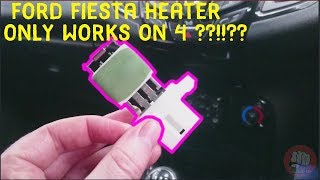
- Blower Motor Resistor: This is the most frequent cause of the fan only working on its highest speed (setting 4). The lower speeds require the resistor to reduce voltage to the fan motor; when it burns out, only the direct, full-power high setting works. This part is separate from the control unit and located in the driver's or passenger's footwell. 🎬 Watch this guide to replace a failed blower motor resistor.
- Blend Door Actuators: These small electric motors control the flaps inside the dashboard that direct airflow (to the floor, vents, or defrost) and mix hot and cold air. A clicking sound from the dash or air that's stuck on one temperature or vent position is a classic sign of a failing actuator.
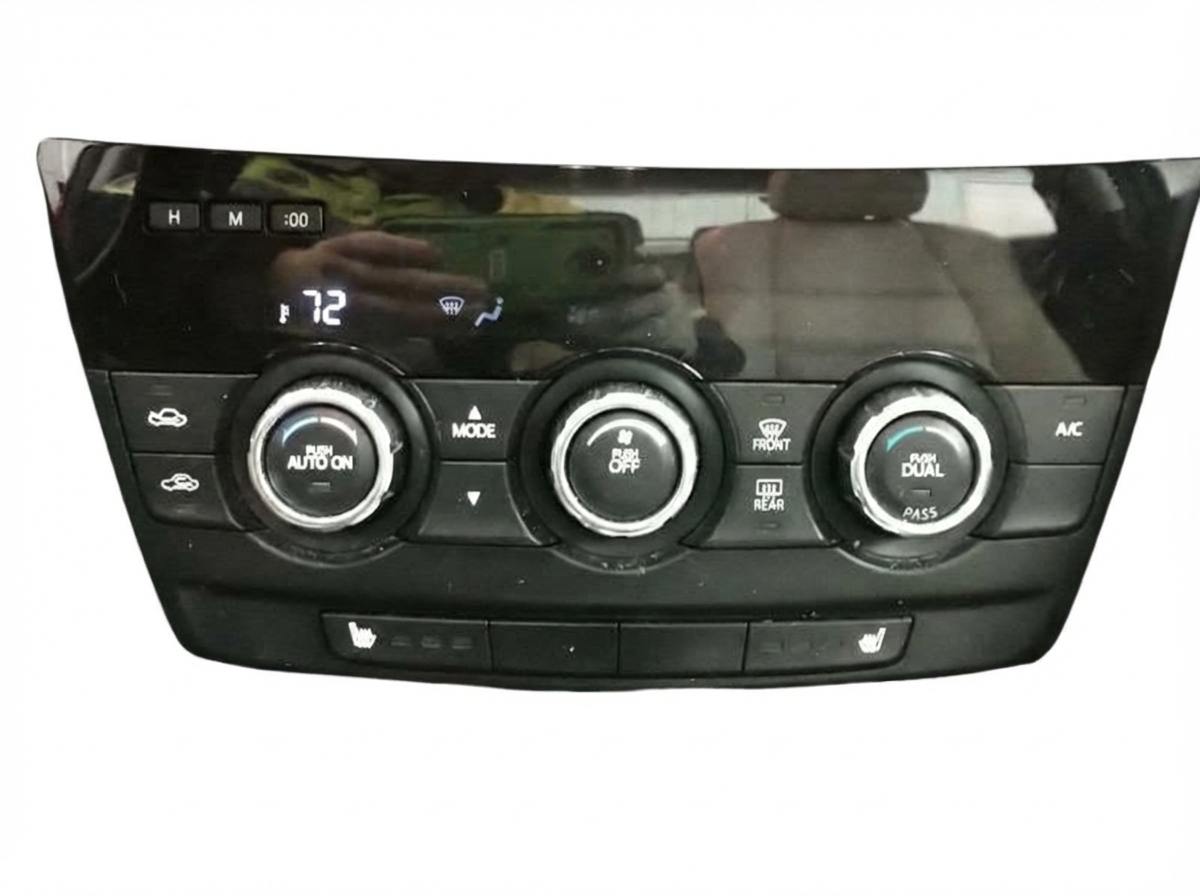
Compatibility Warning: The most critical factor when replacing this part is vehicle compatibility. Ford used different control units based on the vehicle's production date and optional features. A unit from a car with heated seats will not work correctly in a car without them. Always match your original part's button layout and part number exactly.
Buying a Used HVAC Control for a 2014-2019 Fiesta

Purchasing a used OEM HVAC control is an excellent way to save money, as these units are generally reliable and aftermarket options are scarce. Here’s what to look for to ensure you get a good part.
1. Verify Part Numbers and Features
This is the most important step. The part number is printed on a sticker on the unit's housing. The initial part numbers for this generation start with D2BT (e.g., D2BT-19980-AF), which are often superseded by service parts starting with D2BZ (e.g., D2BZ-19980-F).
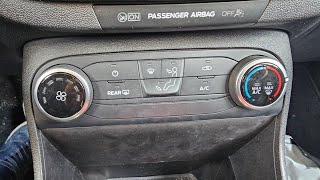
- Match the Buttons Exactly: Your replacement unit MUST have the same buttons as your original. This includes buttons for heated seats and the rear wiper. Functionality is programmed into the unit, and a mismatch will cause errors or non-functioning features.
- 2014 Production Split: Be aware of a production change in early 2014. Units for models built on or before February 23, 2014, may differ from those built from February 24, 2014, onward. While the part numbers are the best guide, confirming the production date of the donor vehicle can be an extra layer of security.
2. Physical Inspection
- Check the Knobs and Buttons: Turn the knobs to ensure they move smoothly with distinct clicks. Press each button to feel for a positive response. Avoid units with loose, sticky, or wobbly controls.
- Inspect the Connectors: Look at the electrical connector ports on the back. The pins should be straight and clean, with no signs of corrosion, melting, or discoloration.
- Examine the Faceplate: Check for excessive wear on the button graphics, deep scratches, or cracks in the plastic. While cosmetic, this can indicate a hard life.
- Check Mounting Tabs: Ensure all plastic mounting tabs are intact and not cracked or broken. These are essential for a secure, rattle-free installation.
Cost of Replacement
Replacing the HVAC control unit is relatively affordable, especially if you use a recycled OEM part and perform the labor yourself.
| Part/Service | Estimated Cost |
|---|---|
| New OEM | $145 - $235 |
| New Aftermarket | Not commonly available |
| Used OEM | $35 - $75 |
| Shop Labor | $90 - $150 |
Replacement Overview

Replacing the manual HVAC control on a 2014-2019 Fiesta is a beginner-friendly job that requires basic tools.
- Difficulty: 2 out of 5
- Estimated Time: 0.5 - 1 hour
- Tools Needed: Plastic trim removal tools, 7mm socket or screwdriver.
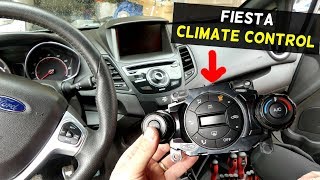
The general process involves carefully prying off the trim panel that surrounds the radio and HVAC controls. Once the trim is removed, the control unit is typically held in by a few screws. After unscrewing it, you can pull it out, disconnect the electrical connectors from the back, and plug in the new unit. No programming is required for these manual control modules.
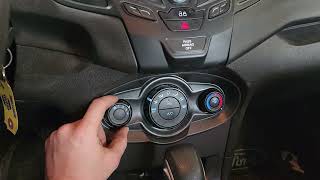
🎬 See a step-by-step walkthrough of the control switch replacement.Frequently Asked Questions
My fan only works on setting 4. Is the HVAC control unit bad?
No, this is a classic symptom of a failed blower motor resistor, not the control unit. The resistor is a separate, inexpensive part located in the footwell that controls fan speeds 1, 2, and 3.
🎬 Watch a demonstration of the fan only working on setting 4.Do I need to program a replacement HVAC control unit?
For the manual climate control systems discussed here, no programming or calibration is typically required. It should be a plug-and-play replacement, provided you have the correct part number for your vehicle's options.
My dash is making a clicking noise when I change vents. What is that?
A clicking noise is almost always a failing blend door actuator or, as noted in TSB 20-2017, a wiring harness interfering with the actuator's gear. The control unit sends the signal, but the actuator is what makes the noise.
Can I install a control unit with heated seat buttons if my car doesn't have them?
No. The control units are specific to the vehicle's factory-installed options. Using a unit with different features will likely result in errors or improper operation of the climate control system.
Helpful Videos
Technical Specifications
OEM Part Numbers: D2BT19980AA D2BT19980AB D2BT19980AC D2BT19980AD D2BT19980AE D2BT19980AF D2BZ-19980-C D2BZ19980B D2BZ19980F
Manual temperature and fan control for vehicles without automatic temperature control (ATC).
We Have This Part in Stock



The information in this article is provided for general reference and educational purposes only. Vehicle specifications, procedures, and part compatibility can vary by production date, trim level, and region. Always consult your vehicle's factory service manual and verify part numbers before purchasing or performing repairs. Safety-critical components such as airbags, seat belts, and braking systems should be installed by a qualified professional.
- Ford Fiesta:
- 🎬 Helpful Videos
- 🛍️ Shop This Part
- Key Failure Symptoms
- Known Issues, TSBs, and Recalls
- TSB 20-2017: Clicking Noise From Dash
- Common Failure of Related Parts
- Buying a Used HVAC Control for a 2014-2019 Fiesta
- 1. Verify Part Numbers and Features
- 2. Physical Inspection
- Cost of Replacement
- Replacement Overview
- Frequently Asked Questions
- 🎟️ Get 5% Off