

2010-2022 Tucson, Sportage, Accent & Genesis Coupe Blower Motor: Noises, Failure Symptoms & Replacement
Diagnose and replace the noisy or dead HVAC blower motor in your Hyundai or Kia with this guide to symptoms, costs, and buying a quality used part.
- If the fan only works on the highest setting, the problem is likely the blower motor resistor, not the motor.
- Failure is often preceded by squealing or rattling noises from the passenger side of the dashboard.
- Replacement is a simple DIY job, typically taking less than an hour with basic tools.
- Before buying, confirm whether your vehicle has manual or automatic climate control, as this can affect part compatibility.
Symptoms of a Failing HVAC Blower Motor

When an HVAC blower motor starts to fail, it usually provides several warning signs. Understanding these symptoms can help you distinguish between a bad motor, a faulty resistor, or another issue in the climate control system.
1. No Air or Weak Airflow From Vents
The most obvious symptom is a complete lack of air coming from the vents, even when you can hear the system trying to work. You might also notice that the airflow is significantly weaker than it used to be across all fan speeds. Before blaming the motor, always check your cabin air filter—a severely clogged filter can also restrict airflow.
2. Fan Only Works on the Highest Setting
This is a classic symptom, but it usually points to a different part: the blower motor resistor (on vehicles with manual climate control) or a control module/FET (on vehicles with automatic climate control). These components control the fan's speed. When they fail, the electrical current bypasses them and sends full power to the motor, allowing it to run only on its highest setting. The motor itself is likely fine in this scenario.
3. Unusual Noises from the Dashboard
Strange sounds coming from the passenger side of the dashboard are a strong indicator of a failing blower motor.
- Squealing or screeching: This often points to worn-out motor bearings.
- Rattling or clicking: Debris like leaves or paper may have been pulled into the fan cage. It can also mean a blade on the fan cage has broken off, causing it to be unbalanced.
- Grinding or humming: These sounds can indicate internal motor failure or an electrical issue causing the motor to struggle.
4. Burning Smell from Vents
A hot or burning plastic smell coming from the vents when the fan is on is a serious sign that the blower motor is overheating. You should stop using the HVAC system immediately to prevent further damage or a potential fire hazard and have the motor inspected.
Vehicle-Specific Information and Known Issues

This blower motor is shared across the 2010-2021 Hyundai Tucson, 2012-2017 Hyundai Accent, 2014-2016 Hyundai Genesis Coupe, and 2010-2022 Kia Sportage. While there are no widespread recalls specifically for the blower motor on these models, owner forums and repair data point to common failure patterns.
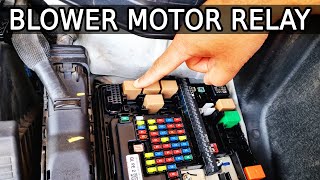
- Hyundai Tucson & Kia Sportage: Owners report that failure is often preceded by a period of intermittent operation or increasing noise. In some cases, electrical issues in the fuse box, such as a poor connection at the multi-fuse strip, 🎬 Watch: How to find the blower motor fuse and relay can cause intermittent blower function.
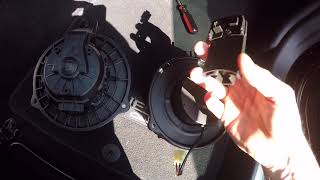
- Hyundai Genesis Coupe: Similar to its platform mates, the blower motor can seize up or become noisy. The blower motor resistor is also a common failure point, leading to the 'fan only works on high' symptom. 🎬 See a Genesis Coupe blower motor failure and diagnosis
- Hyundai Accent: Failures are consistent with the other models, typically involving bearing noise or total motor failure.
Compatibility Check: Fitment often depends on whether your vehicle has manual or automatic climate controls. The motor itself may be the same, but the resistor or control module it pairs with is different. Always verify the part number is correct for your specific vehicle and system before ordering.
Buying a Used HVAC Blower Motor: What to Check

A used OEM blower motor can be a reliable and cost-effective alternative to a new part, especially when compared to cheap aftermarket units which are often noisier and may not fit perfectly. Here’s what to inspect before you buy:
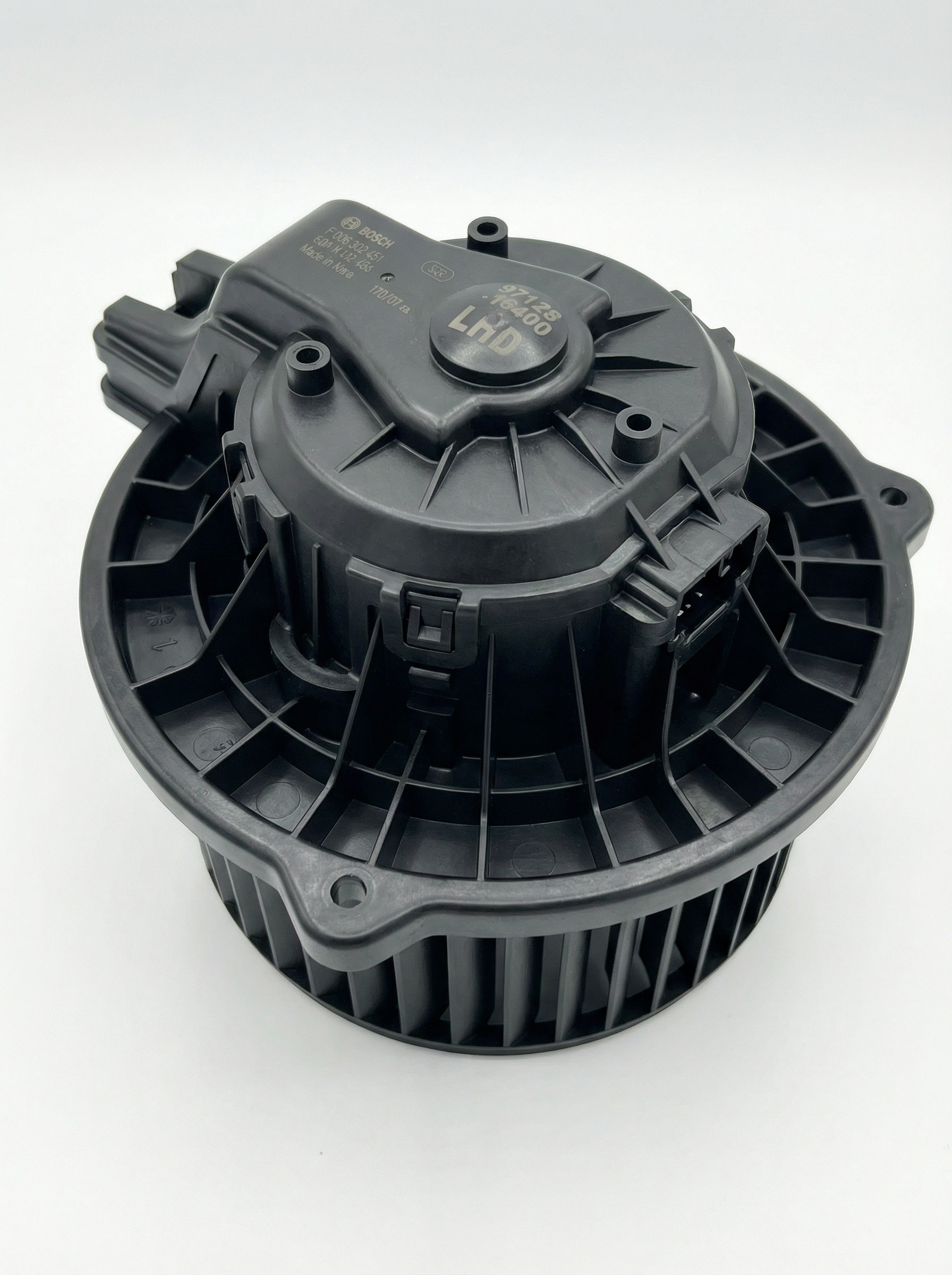
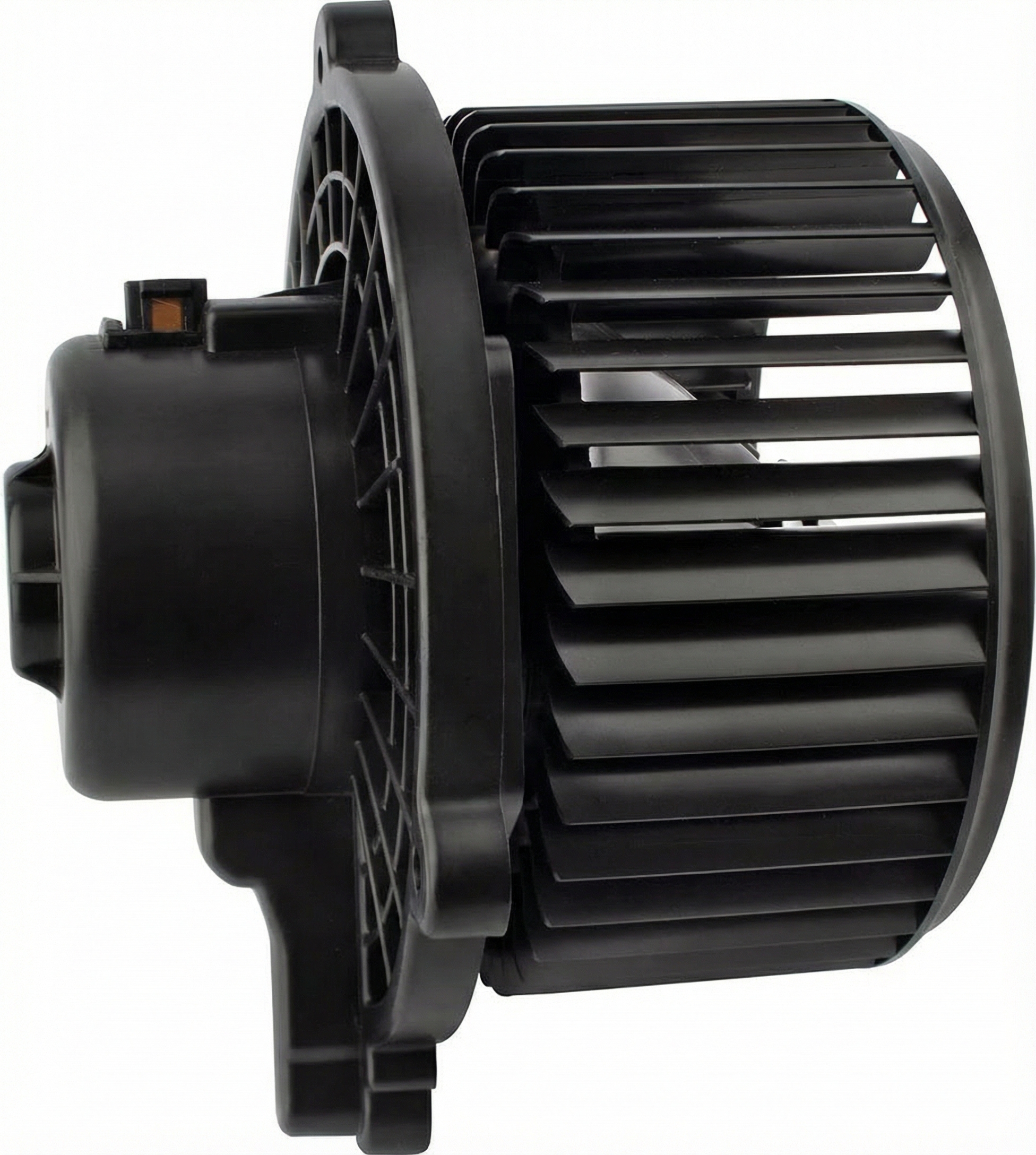
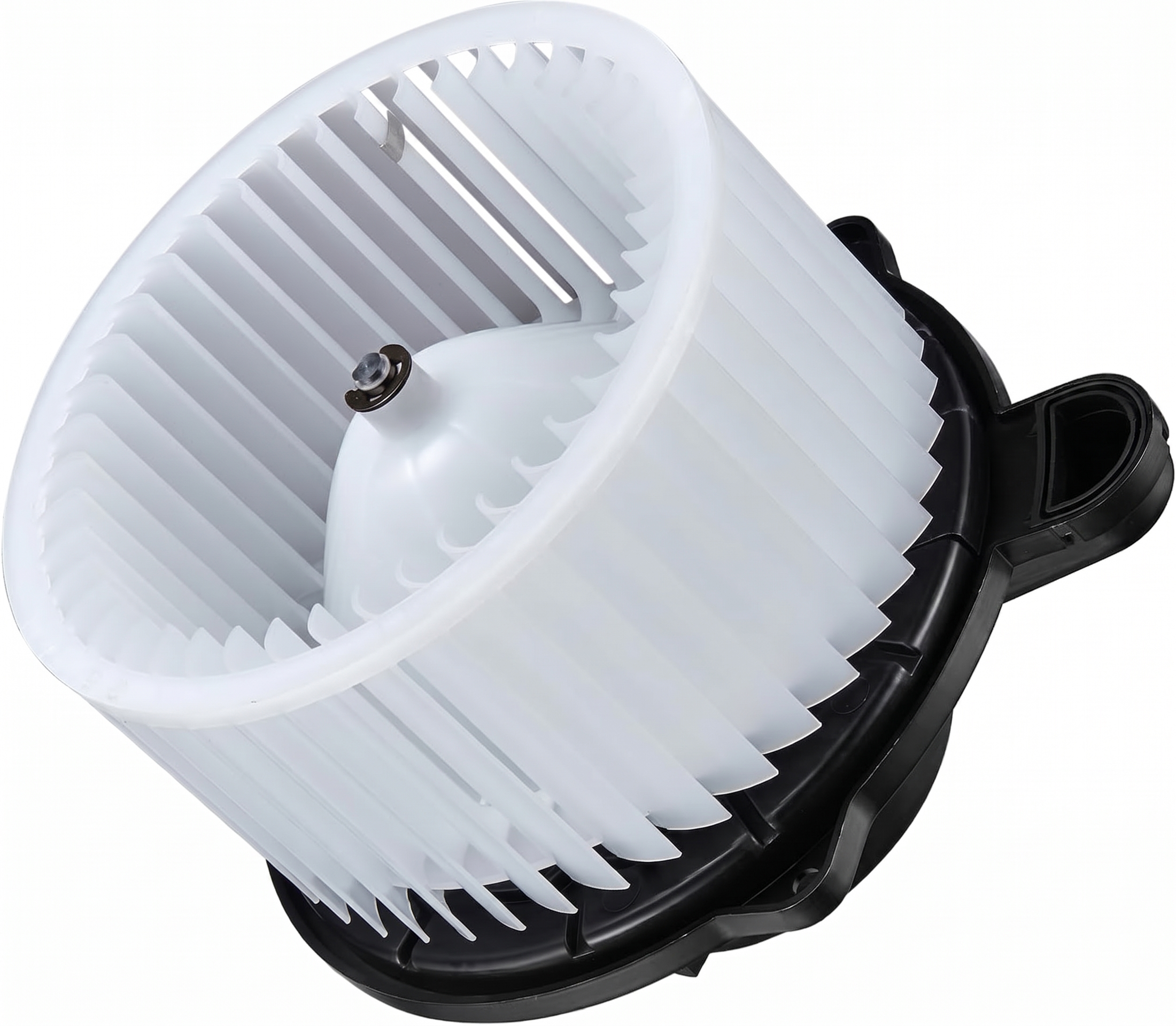
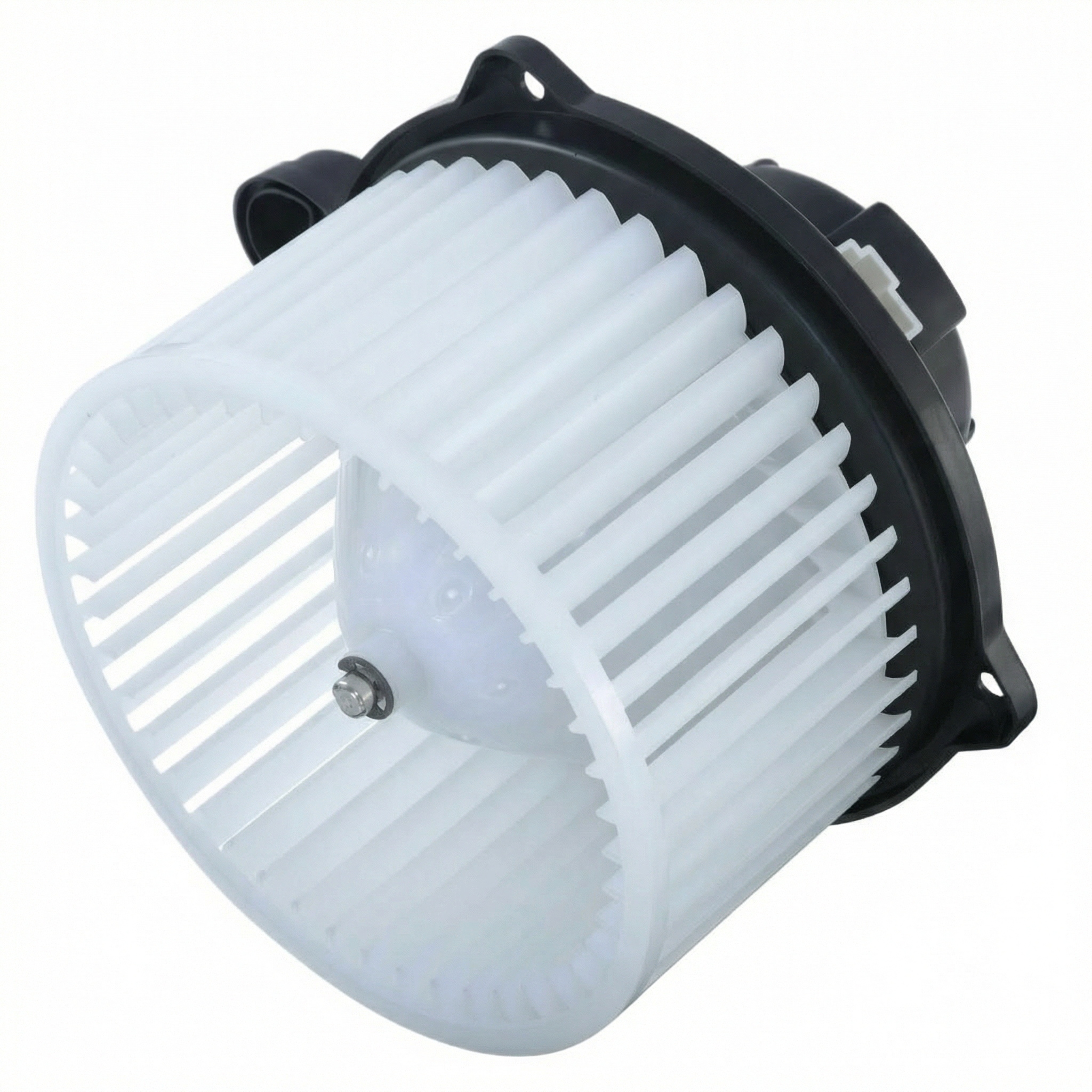
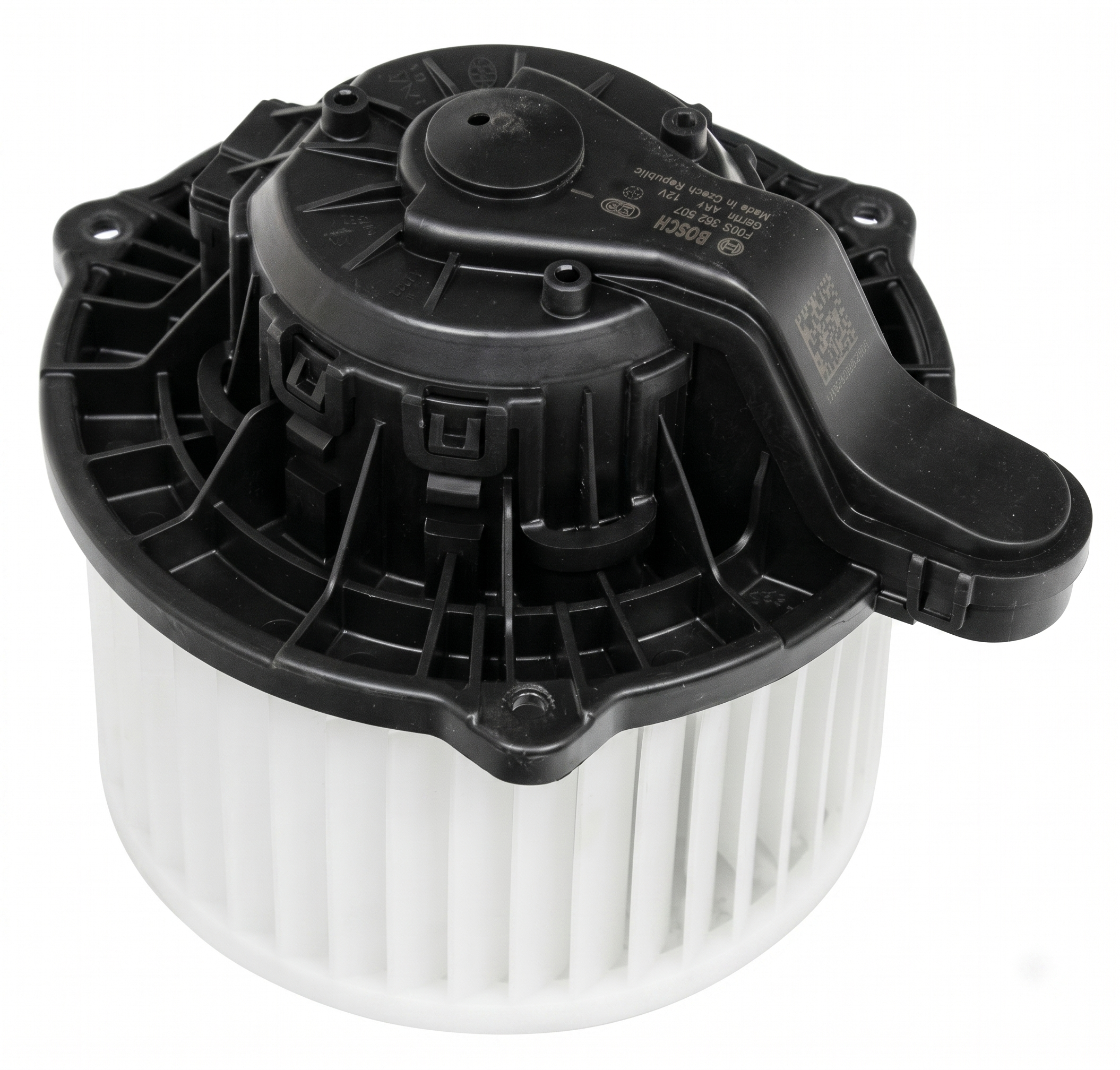
- Inspect the Fan Cage (Impeller): Carefully check the plastic fan cage for any cracks, chips, or missing blades. A damaged cage will be unbalanced, causing vibration and noise.
- Spin the Fan by Hand: The fan should spin freely and smoothly with minimal resistance. If you feel any grinding, notchiness, or wobbling, the bearings are worn and the motor should be rejected.
- Check the Electrical Connector: Look closely at the plastic connector and the metal pins inside. Any signs of melting, discoloration, or corrosion indicate the motor was overheating or had a poor electrical connection, which could have damaged it.
- Verify Part Numbers: Match the OEM part number from your original motor to the used unit. Common part numbers for this group of vehicles include 97111-1R000, 97113-2S000, and 97113-2P000.
- Consider Mileage: While not always available, a motor from a lower-mileage vehicle is generally a better bet for longevity.
Cost Comparison
The cost to replace an HVAC blower motor can vary based on the part source and labor rates. Here are typical price ranges:
| Part Source | Estimated Cost |
|---|---|
| New OEM | $140 - $220 |
| New Aftermarket | $75 - $175 |
| Used OEM | $40 - $90 |
| Shop Labor | $70 - $130 |
Replacement Overview

Replacing the HVAC blower motor in these vehicles is a straightforward job that most DIY mechanics can handle.
- Difficulty: 2 out of 5
- Estimated Time: 0.5 - 1 hour
- Location: The blower motor is located under the passenger side of the dashboard, usually accessible after removing a plastic trim panel or the glove box.
- Basic Steps:
- Disconnect the negative battery terminal.
- Remove the lower dashboard cover panel on the passenger side.
- Locate the blower motor and disconnect its electrical connector.
- Remove the 3-4 screws holding the motor assembly in place.
- Lower the motor out of the housing.
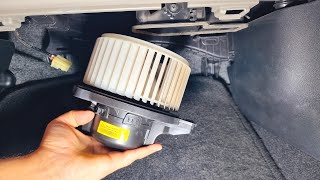
- Installation is the reverse of removal. 🎬 Watch: Step-by-step blower motor replacement walkthrough for Kia Sportage
Pro Tip: While you have the blower motor out, it's the perfect time to replace your cabin air filter. A clean filter improves airflow and extends the life of the new motor.
Frequently Asked Questions (FAQ)
Can I still drive my car with a bad blower motor?
Yes. A failed blower motor does not affect the engine's operation or the vehicle's safety systems. However, you will not have air conditioning, heating, or the ability to defrost your windshield, which can be a safety issue in certain weather conditions.
Why does my fan only work on high speed?
This is almost always caused by a failed blower motor resistor (for manual A/C) or control module (for automatic A/C), not the motor itself. This part is located right next to the blower motor and is also an easy DIY replacement.
Is it better to buy a new aftermarket motor or a used OEM one?
For this part, a quality used OEM motor is often a better choice than a cheap, new aftermarket one. Used OEM parts are guaranteed to fit correctly and typically operate more quietly and reliably than non-OEM alternatives.
How do I know if I have manual or automatic climate control?
Manual climate control systems typically have knobs that you turn to select fan speed (e.g., Off, 1, 2, 3, 4) and temperature. Automatic systems usually have a digital display showing a specific temperature (e.g., 72°F) and an "Auto" button that adjusts fan speed automatically.
Helpful Videos
Technical Specifications
OEM Part Numbers: 97111-1R000 971111R000 97113-2S000 971132S000 97113-2P000 971132P000
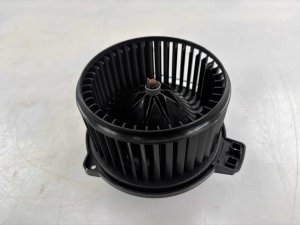
Operates on a 12V DC system. The motor assembly includes the electric motor and the plastic fan cage (impeller).
We Have This Part in Stock

The information in this article is provided for general reference and educational purposes only. Vehicle specifications, procedures, and part compatibility can vary by production date, trim level, and region. Always consult your vehicle's factory service manual and verify part numbers before purchasing or performing repairs. Safety-critical components such as airbags, seat belts, and braking systems should be installed by a qualified professional.
- Hyundai Tucson:
- Hyundai Accent:
- Hyundai Genesis Coupe:
- Kia Sportage:
- 🎬 Helpful Videos
- 🛍️ Shop This Part
- Symptoms of a Failing HVAC Blower Motor
- 1. No Air or Weak Airflow From Vents
- 2. Fan Only Works on the Highest Setting
- 3. Unusual Noises from the Dashboard
- 4. Burning Smell from Vents
- Vehicle-Specific Information and Known Issues
- Buying a Used HVAC Blower Motor: What to Check
- Cost Comparison
- Replacement Overview
- Frequently Asked Questions (FAQ)
- 🎟️ Get 5% Off