

Hyundai & Kia Blower Motor Failure (2016-2025): Santa Fe, Sorento, Telluride & More
Diagnosing noises, weak airflow, and why your fan might only work on high speed in many common Hyundai and Kia SUVs and minivans.
- Before replacing the motor, check if the fan only works on high speed. If so, the cheaper blower motor resistor is likely the problem.
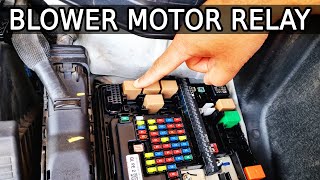
- For newer Hyundai models, inspect the multi-fuse in the engine bay for signs of melting or a loose connection, as this is a common failure point.
- There are many variations of this part. You MUST match the OEM part number exactly, paying attention to Front vs. Rear and Manual vs. Automatic climate control.
- Replacement of the front motor is an easy DIY job, typically located behind the glove box and held by three screws.
Critical Compatibility Warnings: Read Before Buying

Warning: Not all blower motors for these vehicles are the same. There are several different versions, and they are not interchangeable. Ordering the wrong one is a common and frustrating mistake. Pay close attention to the following:
- Front vs. Rear HVAC: Larger vehicles like the Kia Telluride, Kia Sorento, and Kia Sedona were available with an optional rear climate control system. This system has its own separate, smaller blower motor located in the rear quarter panel area. This article primarily covers the main front blower motor, but be aware of which one you are replacing.
- Manual vs. Automatic Climate Control: Vehicles with manual (knob-controlled) temperature and fan speed often use a different blower motor and a separate component called a 'blower motor resistor'. Vehicles with automatic climate control (where you set a specific temperature) typically use a 'blower motor control module' or 'transistor'. The motors designed for these two systems are often not compatible.
- Vehicle Build Location: For some models, particularly the Hyundai Tucson, there may be different parts for vehicles built in Korea versus those built in the US. Always verify the part number against your vehicle's VIN.
- 2019 Hyundai Santa Fe vs. Santa Fe XL: This part fits the redesigned 2019 Santa Fe (short wheelbase). It does NOT fit the 2019 Santa Fe XL, which was a carryover of the previous, larger generation.
- Seat Ventilation Motors: This is NOT the small blower motor used for ventilated/cooled seats. That is a completely different part.
Symptoms of a Failing HVAC Blower Motor

When a blower motor starts to fail, the symptoms are usually hard to miss. Here’s what to look and listen for:
- No Airflow From Vents: The most obvious symptom. If you turn the fan on and nothing comes out of the vents at any speed, the motor has likely failed completely or is not receiving power.
- Weak Airflow: If the fan seems to be blowing much weaker than it used to, even on the highest setting, the motor could be worn out and spinning too slowly.
- Noise From the Passenger Dash: A failing motor often makes noise. This can be a clicking, whirring, grinding, or thumping sound coming from behind the glove box. This can be caused by worn-out motor bearings or debris in the fan cage.
- Fan Only Works on High Speed: This is a classic symptom, but it usually points to a failed blower motor resistor, not the motor itself. In these systems, the 'high' setting sends full battery voltage directly to the motor, bypassing the resistor. The lower speeds require the resistor to reduce the voltage, and when it burns out, those speeds stop working.
- Burning Smell: A seized or overheating motor can produce a burning smell from the vents. If you notice this, stop using the fan immediately.
Known Issues for Hyundai & Kia Models

Hyundai Multi-Fuse / Fuse Box Connection Failure
A significant and increasingly common issue on newer Hyundai models, including the Santa Fe and Santa Cruz, is not with the blower motor itself, but with its connection at the main fuse box under the hood. The terminal for the blower motor fuse within a large, multi-fuse block can become loose or corroded. This creates high resistance, leading to heat, melted plastic around the fuse, and intermittent or complete loss of power to the blower motor.
Symptoms of this specific issue include:
- Blower motor works intermittently, sometimes starting if you hit a bump.
- Complete loss of blower function, even after replacing the motor and resistor.
- A visibly burnt or melted spot on the multi-fuse in the engine bay fuse box.
Before replacing your blower motor, it is critical to inspect this fuse connection. Some owners have had success temporarily by cleaning the contacts and slightly bending the fuse's prongs to ensure a tighter fit. However, the correct long-term repair may involve a wiring harness or fuse box replacement, which can be expensive.
How to Diagnose the Problem

- Check the Fuses First: Always start with the simplest solution. Check both the interior fuse panel (often labeled 'A/C' or 'BLW') and the main fuse box in the engine bay. Look for the large multi-fuse and inspect it for any signs of melting or scorching at the blower motor position.
- Listen for Noises: Turn the fan on. If you hear grinding or clicking but get little air, the motor is getting power but is likely failing mechanically or has debris in it. If you hear nothing at all, it's more likely an electrical issue (fuse, resistor, or dead motor).
- The 'High Speed' Test: If the fan works on high but not on lower speeds, the blower motor resistor (for manual A/C) or control module (for automatic A/C) is the most likely culprit.
- The 'Smack' Test: Access the blower motor under the passenger dash. Turn the fan on high and give the bottom of the motor housing a firm tap. If the motor starts spinning, its internal components are worn out, and it needs to be replaced.
- Check for Debris: Before replacing a noisy motor, remove the cabin air filter (located behind the glove box) and look down into the fan cage with a flashlight. Leaves, paper, or even rodent nests are common causes of a rattling noise. 🎬 See how to fix a noisy cabin fan yourself.
Buying a Used HVAC Blower Motor: What to Check
A used OEM blower motor can be a reliable, cost-effective alternative to expensive new parts. Because these motors are simple and robust, a low-mileage used unit is often a smart buy. Here’s what to inspect:
- Verify the Part Number: This is the most critical step. Due to the variations (Front/Rear, Auto/Manual), you must match the part number from your original motor exactly. Do not rely on visual appearance alone.
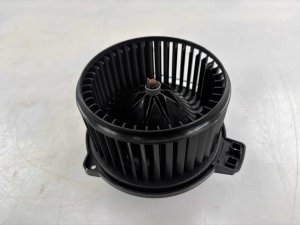
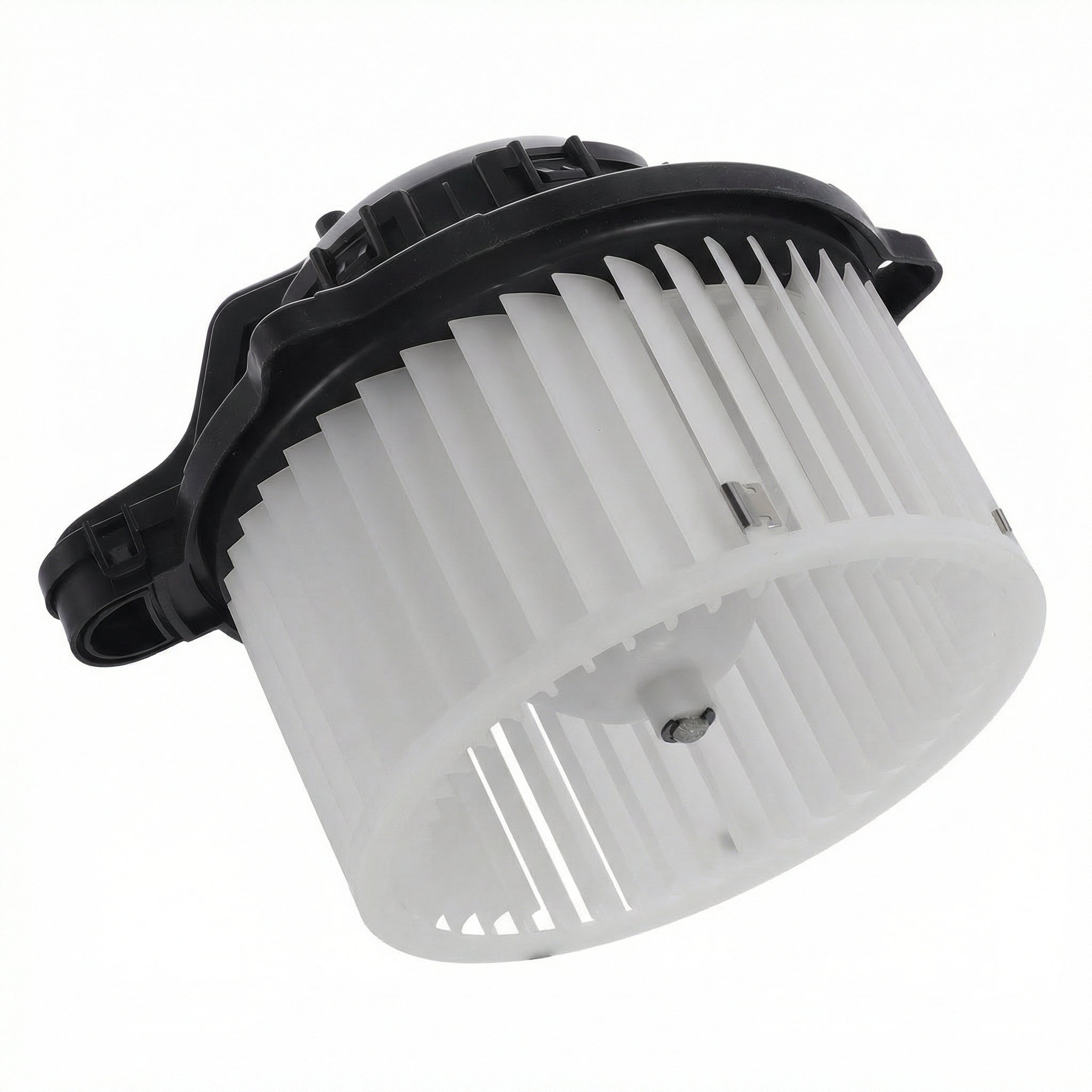
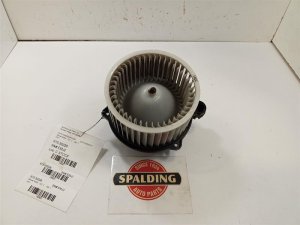
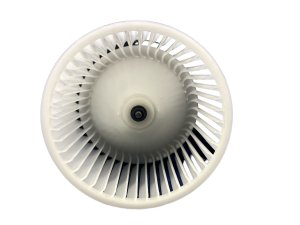
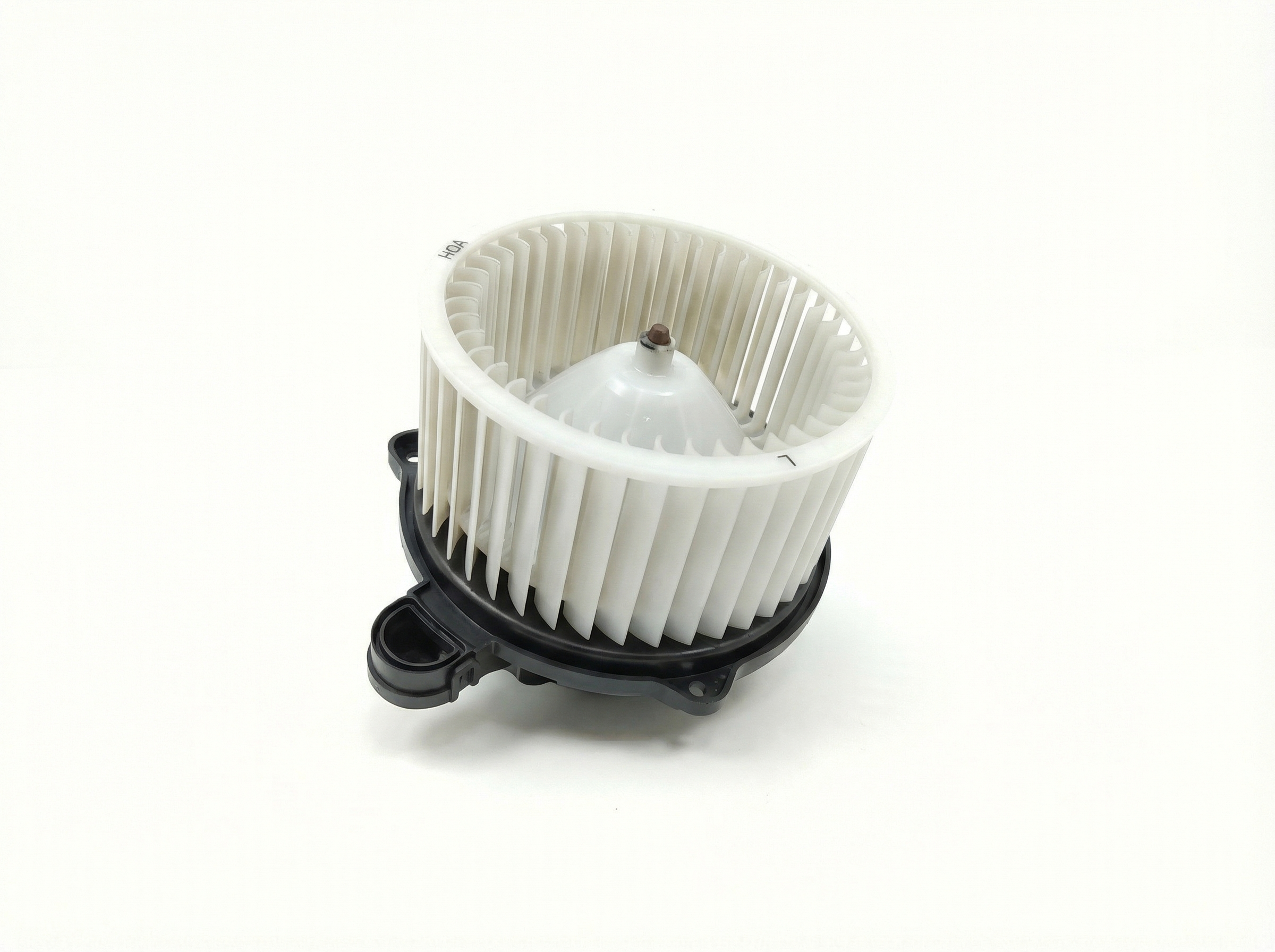
- Spin the Fan Cage: The 'squirrel cage' fan should spin freely and smoothly by hand with no grinding or wobbling. Any resistance or gritty feeling indicates bad bearings.
- Inspect the Electrical Connector: Look closely at the plastic connector and the metal pins inside. There should be no signs of melting, charring, or heavy corrosion. A melted connector points to a more significant electrical problem in the vehicle that must be fixed.
- Check for Physical Damage: Ensure the plastic housing isn't cracked and that all mounting tabs are intact. Check the fan cage for any broken or missing fins, which would cause an imbalance and vibration.
- Consider Mileage: While these motors can last a long time, choosing one from a lower-mileage vehicle is always preferable. A part from a vehicle with under 75,000 miles is an excellent candidate.
- Why Used OEM vs. New Aftermarket? While new aftermarket motors are cheap, they can sometimes suffer from poor balancing, leading to more noise and vibration than the original factory part. A good-quality used OEM motor often provides better performance and fitment than a low-cost new alternative.
Replacement Overview

Replacing the front HVAC blower motor on these Hyundai and Kia models is a straightforward job suitable for most DIY mechanics.
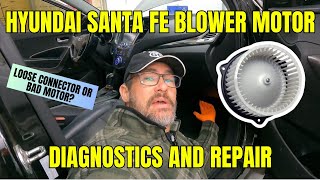
🎬 Watch this step-by-step guide to diagnose and replace the motor.- Location: The motor is located under the passenger side of the dashboard, usually directly behind the glove box.
- General Steps:
- Disconnect the negative battery terminal.
- Remove the plastic trim panel beneath the glove box (usually held by a few clips or screws).
- Locate the round blower motor housing and disconnect its electrical connector.
- Remove the 3 screws (usually Phillips head or 8mm) holding the motor in place.
- Lower the motor out of the HVAC case.
- Installation is the reverse of removal.
Pro Tip: While you have the blower motor out, it's the perfect time to replace your cabin air filter. A clogged filter can restrict airflow and put extra strain on the new motor.
Cost Comparison
Prices can vary based on your specific vehicle configuration and location. The following is an estimated breakdown:
| Part Type | Estimated Cost |
|---|---|
| New OEM | $150 - $400 |
| New Aftermarket | $60 - $120 |
| Used OEM | $50 - $125 |
| Shop Labor | $75 - $150 |
Technical Specifications & Part Numbers
Part numbers are critical for ensuring compatibility. This is not a complete list, but includes common numbers found for the vehicles in this guide. Always verify with your VIN.
| Part Number | Common Applications | Notes |
|---|---|---|
| 97113-A9010 | 2019-20 Santa Fe, 2019-21 Sedona, 2020-25 Telluride | Common front blower motor. |
| 97113-N9010 | 2022-25 Tucson, 2023-24 Sportage | Often for Korea-built or Hybrid models. |
| 97113-P4200 | 2022-25 Santa Cruz, 2021-23 Santa Fe, 2022-24 Sorento | Often for US-built models. |
| 97900-R6000 / 97900-S9000 | 2020-25 Telluride, 2024-25 Santa Fe | This is a complete REAR HVAC unit, not just the motor. |
Frequently Asked Questions (FAQ)
My fan only works on the highest speed. Do I need a new blower motor?
Almost certainly not. This is the classic symptom of a failed blower motor resistor (on manual climate systems) or control module. The resistor controls the lower fan speeds, and when it fails, only the direct-power 'high' setting works. It's a much cheaper and easier part to replace than the motor itself.
Is it difficult to replace the blower motor myself?
For the front blower motor, this is generally considered an easy DIY repair. It is located under the passenger dashboard and is typically held in with just three screws. Most people with basic hand tools can complete the job in under an hour. The rear blower motor on vehicles like the Telluride is more difficult as it requires removing interior trim panels.
What's that clicking or rattling noise from my vents?
Before assuming the motor is bad, check for debris. Leaves, pine needles, paper from the glove box, or even small rodents can get into the fan cage and cause noise. Remove the cabin air filter and inspect the fan first. If it's clear, the noise is likely from the motor's internal bearings failing.
Will a blower motor from a Santa Fe fit my Sorento?
Possibly, but you must verify the part number. While these vehicles share platforms and many parts, there are multiple versions of the blower motor. A part number like 97113-P4200 fits certain model years of both the Santa Fe and Sorento, but another number might not. Do not buy based on vehicle model alone; always match the OEM part number from your original part.
Helpful Videos
Technical Specifications
OEM Part Numbers: 881P0-R6110 882P0-R6110 88550D5500 97100-R6000 97100-S2EA0 97100S2EA0 97100S2EB0 97113-A9010 97113-N9000 97113-N9010 97113-P4200 97113P2000 97900-R6000 97900R6000 97927S1AA0
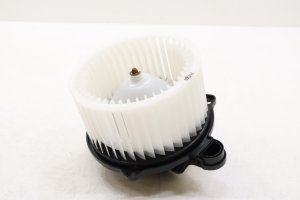
Operating Voltage: 12V DC. The motor includes a plastic 'squirrel cage' style fan impeller.
We Have This Part in Stock

The information in this article is provided for general reference and educational purposes only. Vehicle specifications, procedures, and part compatibility can vary by production date, trim level, and region. Always consult your vehicle's factory service manual and verify part numbers before purchasing or performing repairs. Safety-critical components such as airbags, seat belts, and braking systems should be installed by a qualified professional.
- Hyundai Santa Fe:
- Hyundai Santa Cruz:
- Hyundai Tucson:
- Kia Sorento:
- Kia Sedona:
- Kia Sportage:
- Kia Telluride:
- 🎬 Helpful Videos
- 🛍️ Shop This Part
- Critical Compatibility Warnings: Read Before Buying
- Symptoms of a Failing HVAC Blower Motor
- Known Issues for Hyundai & Kia Models
- Hyundai Multi-Fuse / Fuse Box Connection Failure
- How to Diagnose the Problem
- Buying a Used HVAC Blower Motor: What to Check
- Replacement Overview
- Cost Comparison
- Technical Specifications & Part Numbers
- Frequently Asked Questions (FAQ)
- 🎟️ Get 5% Off