

1984-1999 Bongo, E-Series & Econovan 4x4 Front Hub: Diagnosing Grinding Noises & 6-Stud Hubs
This guide covers the specific front wheel hub assembly for the 4WD Mazda Bongo, Mazda E-Series, and Ford Econovan, focusing on failure symptoms, diagnosis, and crucial compatibility checks.
- This hub is ONLY for 4x4 models with 6-stud wheels from 1984-1999; it will not fit 2WD vans.
- The most common failure symptom is a grinding or humming noise that gets louder with speed and when turning.
- When buying a used hub, physically check for any looseness or roughness when spinning it by hand.
- Using the correct axle nut torque specification is critical to prevent premature failure; do not use an impact wrench.
Compatibility Warning: 4WD 6-Stud Models Only
Warning: This front hub assembly is ONLY for 1984-1999 4x4 (Four-Wheel Drive) versions of the Mazda Bongo, Mazda E-Series, and Ford Econovan equipped with 6-stud wheels. It will not fit 2WD (Two-Wheel Drive) models, which use a different hub design. Always count the wheel studs on your vehicle before ordering to ensure you have the correct 6-stud pattern.
Symptoms of a Failing Front Hub Assembly
A failing wheel hub rarely fails suddenly. It will almost always provide audible or physical warnings first. Ignoring these signs can lead to more severe damage or a dangerous situation where the wheel could separate from the vehicle.
1. Grinding, Humming, or Growling Noises
This is the most common symptom of a bad wheel bearing inside the hub assembly. The noise is often described as:
- Humming or Growling: A constant, low-pitched noise that starts around 30 mph and gets louder with speed. It can sound like aggressive tire noise.
- Grinding: A harsher, metal-on-metal sound that indicates severe wear. This noise may be more noticeable when turning.
- Clicking or Thumping: While less common for bearings, a rhythmic clicking or thumping can sometimes occur, especially if the bearing is extremely worn.
Pro Tip: To help identify which side is failing, drive on a safe, open road and gently swerve left and right. If the noise gets louder when turning left, the right-side hub is likely the problem, as it is bearing more of the vehicle's weight. If it gets louder turning right, the left-side hub is the likely culprit.
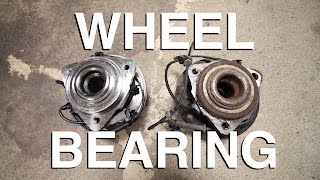
🎬 Watch this video to learn how to diagnose a bad wheel bearing.2. Steering Wheel Vibration
As the bearing inside the hub wears, it develops excessive play. This allows the wheel to wobble slightly, which translates into a vibration you can feel in the steering wheel. This vibration is often subtle at first but will worsen over time and is typically most noticeable at highway speeds.
3. Loose or Vague Steering
A worn hub can make the steering feel sloppy or imprecise. You might find yourself making constant small corrections to keep the van driving straight. This is a direct result of the excessive play in the wheel, which affects the vehicle's alignment and handling stability.
4. Potential 4WD System Noises (Ford Econovan)
Some Ford 4x4s of this era used a vacuum-operated system (Integrated Wheel Ends or IWE) to lock and unlock the front hubs. If the Ford Econovan uses this system, a vacuum leak can cause the hubs to partially engage, creating a rattling or grinding noise in 2WD mode that might be mistaken for a bad bearing. This noise may go away when you switch to 4WD. Troubleshooting the vacuum lines and solenoid is a key step before replacing the hub itself.
Buying a Used Hub: What to Inspect
Given the age of these vehicles, a quality used OEM hub is often the most practical and affordable option, as new OEM parts are likely discontinued. Aftermarket quality can be inconsistent, and a used original part made with high-quality steel can be more durable than a cheap new replacement. Here’s what to check:
- Confirm Compatibility: First and foremost, verify it came from a 1984-1999 4x4 model and has 6 wheel studs. Count them yourself.
- Check for Play: Hold the hub assembly firmly. Try to wiggle the center hub flange where the wheel bolts on. There should be zero noticeable play or looseness. Any wobble indicates a worn bearing, and the part should be rejected.
- Spin the Hub: Rotate the hub by hand. It should spin smoothly and silently. If you feel any roughness, grinding, or catching, the bearing is bad.
- Inspect the Wheel Studs: Check all 6 studs for damaged, stripped, or stretched threads. Ensure none are broken or bent.
- Look for Heat Damage: Check the hub body for any blue or purple discoloration. This is a sign of extreme overheating from a failed bearing and means the hub's metal structure may be compromised.
- Check for Corrosion: Surface rust is normal, but avoid hubs with deep, flaking rust, especially around the mounting points or the hub face where the wheel sits.
Known Issues, Recalls, and TSBs
No specific recalls or Technical Service Bulletins (TSBs) for the front hubs on the 1984-1999 Mazda Bongo, E-Series, or Ford Econovan were found in public databases. This is common for older, and in the case of the Bongo, often imported vehicles. The most significant known issue is the potential for vacuum system problems on Ford 4x4s causing hub-related noises. Owners on forums also frequently report needing to replace related front suspension components like lower ball joints and anti-roll bar links at the same time as other front-end work.
Cost to Replace a Front Hub Assembly
Prices can vary based on your location and the shop's labor rate. Since new OEM hubs are likely unavailable, the comparison is between new aftermarket parts and used OEM parts.
| Part/Service | Estimated Cost |
|---|---|
| New OEM | null (Likely Discontinued) |
| New Aftermarket | $80 - $200 |
| Used OEM | $50 - $150 |
| Shop Labor | $150 - $300 per side |
| Total Estimated Cost | $200 - $500 per side |
(Prices are estimates as of late 2024 and can vary.)
Replacement Overview and Torque Specs
Replacing the hub assembly is a moderately difficult job that can be done by a skilled DIY mechanic. It requires safely lifting and supporting the vehicle, and you will need a torque wrench for proper installation.
The basic steps involve:
- Lifting the front of the vehicle and securing it on jack stands.
- Removing the wheel.
- Removing the brake caliper and rotor, and hanging the caliper securely so it doesn't damage the brake hose.
- Removing the axle nut. This may require a large socket and significant force.
- Unbolting the hub assembly from the steering knuckle.
- Installation is the reverse of removal.
Critical Step: Torque Specs. The axle nut torque is crucial. Over-tightening can destroy the new bearing quickly, while under-tightening can cause the wheel to be loose. Specific torque values for these vans are not widely published. It is highly recommended to consult a vehicle-specific factory service manual for the correct procedure and torque specification. Do not use an impact gun to tighten the axle nut.
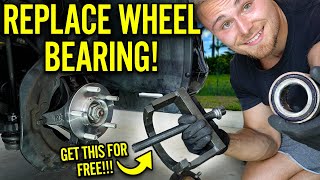
🎬 See this step-by-step guide on how to replace a hub assembly.Frequently Asked Questions (FAQ)
Can I replace just the bearing instead of the whole hub assembly?
On these older models, it may be possible to press the old bearing out of the hub and press a new one in. However, this requires a hydraulic press and specialized tools. For most DIY mechanics, and even many shops, replacing the entire hub assembly (with a good used OEM or new aftermarket unit) is faster, easier, and avoids the risk of damaging the hub during the pressing process.
🎬 Watch how to replace front wheel bearings without using a press.Should I replace hubs on both sides at the same time?
It is not strictly necessary, but it is often recommended. Wheel bearings on both sides of the vehicle have endured the same mileage and conditions. If one has failed, the other may not be far behind. Replacing them in pairs can save you from having to do the same job again in the near future.
Is the noise my hub, my tires, or my CV joint?
Hub bearing noise is typically a constant hum or roar that changes with speed and when turning. Tire noise (especially from mud tires) is also constant but doesn't usually change when swerving. A bad CV joint typically makes a loud clicking or popping sound, especially during sharp turns at low speed, which is different from the grinding of a bearing.
Will I need a wheel alignment after replacing a hub?
In most cases, simply replacing the hub assembly does not change the vehicle's alignment angles, so an alignment is not required. However, if you also replace other suspension parts like tie rods or ball joints, a wheel alignment is necessary.
Helpful Videos

Technical Specifications
OEM Part Numbers: Not available through general search. Part is likely discontinued by the manufacturer.
Vehicle Fitment: 1984-1999 Mazda Bongo, Mazda E-Series, Ford Econovan Drivetrain: 4x4 (Four-Wheel Drive) Only Wheel Stud Count: 6
We Have This Part in Stock


The information in this article is provided for general reference and educational purposes only. Vehicle specifications, procedures, and part compatibility can vary by production date, trim level, and region. Always consult your vehicle's factory service manual and verify part numbers before purchasing or performing repairs. Safety-critical components such as airbags, seat belts, and braking systems should be installed by a qualified professional.
- Mazda Bongo:
- Mazda E-Series:
- Ford Econovan:
- 🎬 Helpful Videos
- 🛍️ Shop This Part
- Compatibility Warning: 4WD 6-Stud Models Only
- Symptoms of a Failing Front Hub Assembly
- 1. Grinding, Humming, or Growling Noises
- 2. Steering Wheel Vibration
- 3. Loose or Vague Steering
- 4. Potential 4WD System Noises (Ford Econovan)
- Buying a Used Hub: What to Inspect
- Known Issues, Recalls, and TSBs
- Cost to Replace a Front Hub Assembly
- Replacement Overview and Torque Specs
- Frequently Asked Questions (FAQ)
- 🎟️ Get 5% Off