

1993-2000 Lexus LS400 Hub & Bearing Failure: Noises, Diagnosis, and Replacement
This guide covers the common symptoms of hub and bearing failure on the 1993-2000 Lexus LS400 and explains why replacing the entire knuckle assembly is often the smartest repair.
- The primary symptom of failure is a humming or roaring noise that gets louder with speed and changes pitch when turning.
- Replacing the hub/bearing requires a hydraulic press, making it a very difficult DIY job.
- The most practical and cost-effective repair is often to buy a complete, used OEM steering knuckle assembly, which turns the job into a bolt-on replacement.
- Driving on a severely worn bearing is extremely dangerous and can lead to the wheel separating from the vehicle.
Diagnosing a Failing Hub and Bearing on Your 1993-2000 LS400

Wheel bearing failure on the first and second-generation Lexus LS400 is a common maintenance issue, typically occurring after 100,000 miles. The symptoms usually start subtly and worsen over time. Ignoring them can lead to more severe damage or even a wheel separating from the vehicle in extreme cases.
Telltale Noises: What to Listen For
The most common symptom of a bad wheel bearing is noise coming from one corner of the car. These sounds are often misdiagnosed as tire noise, but they have distinct characteristics:
- Humming, Roaring, or Growling: This is the classic sign of a worn bearing. The noise sounds like loud road noise or a mud tire and gets progressively louder with vehicle speed, often starting around 35 mph.
- Changes While Turning: A key diagnostic trick is to pay attention to the noise as you steer. When you turn the steering wheel, the vehicle's weight shifts. If you turn right and the noise gets louder, the bad bearing is likely on the left side (the side under more load). If you turn left and it gets louder, the problem is likely on the right side.
- Clicking or Grinding: In more advanced stages of failure, you may hear clicking or grinding sounds, especially at lower speeds or while turning.
Vibrations and Other Physical Symptoms
As the bearing wears, it develops excessive looseness, which can cause other symptoms:
- Steering Wheel Vibration: A vibration that you can feel in the steering wheel or the floor of the car that increases with speed can point to a failing bearing.
- Loose Steering Feel: The steering may feel less precise or have a slight 'wobble' to it.
- ABS Warning Light: In some cases, the excessive movement of a failing bearing can damage the wheel speed sensor or disrupt its signal, causing the ABS or traction control warning light to illuminate.
The "Wheel Wiggle" Test
A definitive way to check for a bad wheel bearing is to test for play in the wheel. To do this safely:
- Park the car on a level surface and engage the parking brake.
- Safely lift the corner of the vehicle with the suspect bearing and support it with a jack stand.
- Grasp the tire at the top and bottom (12 and 6 o'clock positions) and try to rock it in and out.
- If you feel any noticeable play, movement, or hear a clunking sound, the wheel bearing is worn and needs to be replaced.
Warning: A wheel bearing with significant play is a serious safety hazard. The wheel could potentially separate from the vehicle while driving, leading to a complete loss of control.
Known Issues, Recalls, and Service Bulletins
There are no major recalls or Technical Service Bulletins (TSBs) from Lexus or the NHTSA that specifically address widespread, premature failure of the wheel hubs or bearings on the 1993-2000 LS400. Failures are generally considered a normal wear-and-tear item, especially on higher-mileage vehicles. Recalls found for this generation typically relate to aftermarket lighting equipment or other vehicle systems.
Buying a Used LS400 Hub: The Knuckle Assembly Advantage

For the LS400, the wheel bearing is pressed into the steering knuckle (the large cast iron component that holds the hub and connects to the control arms). Replacing just the bearing is a labor-intensive job that requires a heavy-duty hydraulic press and specialized fittings. This makes it a difficult and often impractical job for a DIY mechanic.
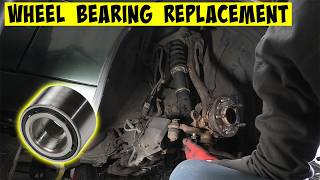
🎬 Watch this step-by-step Lexus LS400 front wheel bearing replacementThis is where buying a used part offers a significant advantage. Instead of buying just a hub or bearing, look for a complete, used OEM steering knuckle assembly.
Why a Used Knuckle Assembly is the Smart Choice
- No Pressing Required: The primary benefit is that the hub and bearing are already pressed into the knuckle. This turns a difficult press job into a much simpler bolt-off, bolt-on procedure, saving significant time and labor costs.
- Guaranteed OEM Quality: You get the high-quality, durable OEM Lexus hub and knuckle, which are often superior to cheaper aftermarket alternatives.
- Cost-Effective: A complete used knuckle assembly is often cheaper than the cost of a new OEM bearing plus the shop labor to press it in.
Inspection Checklist for a Used Knuckle/Hub Assembly
When buying a used assembly, perform these checks:
- Spin the Hub: Turn the hub by hand. It should spin smoothly and silently. Any roughness, grinding, or noise indicates the bearing is bad and the assembly should be rejected.
- Check for Play: Try to wiggle the hub flange. There should be zero play or movement.
- Inspect for Damage: Check the cast iron knuckle for any signs of cracks or damage from an accident. Ensure the mounting points for the control arms and brake caliper are in good condition.
- Check Lug Studs: Make sure the wheel studs on the hub are not stripped, damaged, or broken.
- Verify Mileage: Choose an assembly from a lower-mileage vehicle if possible to ensure the longest possible service life from the used bearing.
Replacement Overview & Torque Specs

While swapping a complete knuckle assembly is much easier than pressing a bearing, it is still a significant mechanical job.
Pro Tip: Before beginning the work, soak all relevant bolts (axle nut, caliper bolts, control arm bolts) in penetrating oil for several hours or overnight to make removal easier.
Key Steps (for Knuckle Assembly Swap)
- Raise and support the vehicle and remove the wheel.
- Remove the brake caliper and rotor. Hang the caliper securely to avoid straining the brake hose.
- Unstake and remove the large axle nut. This requires a large socket and a powerful breaker bar or impact wrench.
- Disconnect the ABS wheel speed sensor.
- Separate the tie rod end and the upper and lower ball joints from the knuckle.
- Slide the axle shaft out of the hub and remove the entire knuckle assembly.
- Installation is the reverse of removal. Always use a new cotter pin for the axle nut.
Important Torque Specs
Proper torque is critical for safety and bearing life. Always consult a factory service manual for your specific year, but these are commonly cited values:
| Component | Torque Spec | Source |
|---|---|---|
| Axle Nut (Front/Rear) | 253 ft-lbs (343 Nm) | |
| Wheel Lug Nuts | 76 ft-lbs (103 Nm) | |
| Lower Ball Joint Bolts | 94 ft-lbs (127 Nm) |
Note: An alignment is recommended after replacing any major suspension component like the steering knuckle.
Cost Comparison: LS400 Hub & Bearing Replacement
Prices can vary by location and supplier, but this provides a general estimate.
| Part/Service | Estimated Cost | Notes |
|---|---|---|
| New OEM Hub (Front) | $145 - $200 | Part only (43502-50022). Does not include bearing. |
| New Aftermarket Bearing | $40 - $70 | Part only (e.g., Timken 510003). |
| New Aftermarket Hub | $30 - $65 | Part only. |
| Used OEM Knuckle Assembly | $100 - $250 | Includes knuckle, hub, and bearing. Price varies by condition and source. |
| Shop Labor (Bearing Press) | $300 - $450 | Labor to remove knuckle, press old bearing out, press new one in, and reinstall. |
Frequently Asked Questions (FAQ)

Can I replace just the bearing and not the hub?
Yes, it is possible. However, the hub must be pressed out of the old bearing and then pressed into the new one. This process requires a hydraulic press and can sometimes damage the hub if not done correctly. Given the difficulty, most mechanics and DIYers find it easier to replace the entire knuckle assembly with a good used unit.
Is the front and rear bearing replacement process the same?
The process is similar in that both front and rear bearings are pressed into a carrier/knuckle and require a press for replacement. However, the components and disassembly procedure are different between the front and rear axles.
What happens if I keep driving on a bad wheel bearing?
Continuing to drive on a failing wheel bearing is dangerous. The noise and vibration will get worse, and the excess heat generated can damage the hub and spindle. In the worst-case scenario, the bearing can seize completely or fail catastrophically, causing the wheel to detach from the vehicle while driving.
Do I need an alignment after replacing a wheel bearing?
If you only press a new bearing into your existing knuckle, an alignment is not strictly required. However, if you replace the entire steering knuckle assembly, you have changed a core suspension component, and a professional wheel alignment is highly recommended to ensure proper handling and prevent uneven tire wear.
Helpful Videos
Technical Specifications
OEM Part Numbers: 43502-50021 43502-50022 42420-50020 42420-50030 42420-50031 42420-50040 42420-50041 42420-50050
Front Hub Part Number (1995-2000): 43502-50022 (replaces 43502-50021). Axle Nut Torque: 253 ft-lbs (343 Nm). Wheel Lug Nut Torque: 76 ft-lbs (103 Nm).

The information in this article is provided for general reference and educational purposes only. Vehicle specifications, procedures, and part compatibility can vary by production date, trim level, and region. Always consult your vehicle's factory service manual and verify part numbers before purchasing or performing repairs. Safety-critical components such as airbags, seat belts, and braking systems should be installed by a qualified professional.
- Lexus LS400:
- 🎬 Helpful Videos
- Diagnosing a Failing Hub and Bearing on Your 1993-2000 LS400
- Telltale Noises: What to Listen For
- Vibrations and Other Physical Symptoms
- The "Wheel Wiggle" Test
- Known Issues, Recalls, and Service Bulletins
- Buying a Used LS400 Hub: The Knuckle Assembly Advantage
- Why a Used Knuckle Assembly is the Smart Choice
- Inspection Checklist for a Used Knuckle/Hub Assembly
- Replacement Overview & Torque Specs
- Key Steps (for Knuckle Assembly Swap)
- Important Torque Specs
- Cost Comparison: LS400 Hub & Bearing Replacement
- Frequently Asked Questions (FAQ)
- 🎟️ Get 5% Off