

2007-2015 Mazda CX-9 Hub & Bearing Failure: Diagnosing Noises and Replacement Differences
This guide explains the critical differences between the front press-in bearings and rear bolt-on hub assemblies, helping you correctly diagnose noises and plan your repair.
- The 2007-2015 CX-9 uses a difficult press-in bearing for the front wheels and a simpler bolt-on hub assembly for the rear.
- A roaring, humming, or grinding noise that gets louder with speed and changes when turning is the primary symptom of failure.
- Wheel bearing failure is a very common issue on this generation of CX-9, and the noise is often misdiagnosed as a transmission problem.
- Driving with a bad wheel bearing is unsafe; complete failure can lead to a wheel separating from the vehicle.
Symptoms of a Failing Hub Assembly or Wheel Bearing


A failing wheel bearing on a 2007-2015 Mazda CX-9 gives several distinct warning signs. The most common and noticeable symptom is a noise coming from one of the corners of the vehicle.
- Humming, Roaring, or Grinding Noise: This is the classic sign of a bad bearing. The noise sounds like a loud hum, a deep roar, or a metal-on-metal grinding. It typically starts faint and gets progressively louder over weeks or months. The sound is directly related to vehicle speed — the faster you go, the louder it gets.
- Noise Changes When Turning: This is a key diagnostic clue. If the noise gets louder when you steer to the right, the failing bearing is on the left side of the vehicle (as the turn puts more load on the outside wheels). Conversely, if the noise increases when turning left, the bad bearing is on the right side.
- Vibration in the Steering Wheel: A worn bearing can develop excessive play, causing vibrations that you can feel in the steering wheel. This vibration may be more noticeable at higher speeds or while turning.
- ABS or Traction Control Warning Light: The hub assembly contains the sensor ring that the ABS wheel speed sensor reads. If the bearing has excessive play or the sensor ring is damaged, it can cause an erratic signal, triggering the ABS and/or traction control warning lights on your dashboard.
- Vehicle Pulling to One Side: In severe cases, a very loose bearing can cause the wheel to wobble, making the vehicle pull to the side of the failed bearing.
Pro Tip: Mazda has issued Technical Service Bulletins (TSBs) noting that wheel bearing noise is frequently misdiagnosed by technicians as a more expensive transmission or differential problem. If you hear a speed-related growling noise, a wheel bearing should be your primary suspect.
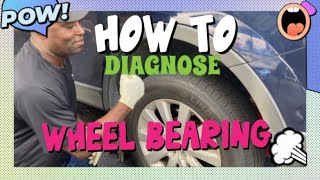
🎬 Watch: How to diagnose a bad wheel bearing on your CX-9Known Issues, Recalls, and TSBs

Wheel bearing failure is a widely reported issue for the first-generation (2007-2015) Mazda CX-9, with many owners in forums reporting failures well under 100,000 miles. Some owners believe the original parts were not robust enough for the vehicle's weight.
Front vs. Rear: A Critical Difference
It is extremely important to understand that the front and rear wheels on this vehicle use different systems:
- Front Wheels: Use a press-in wheel bearing. This is not a complete assembly. The bearing itself must be pressed out of the steering knuckle and a new one pressed in using a hydraulic shop press. The hub is a separate component that is also often replaced. This is a difficult and tool-intensive job.
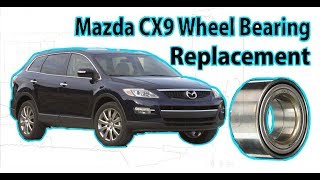
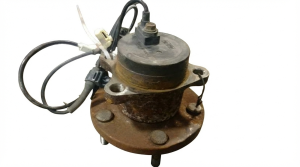
- Rear Wheels: Use a complete, bolt-on wheel hub assembly. This unit contains the hub, bearing, and mounting flange all in one piece. It is unbolted from the suspension and replaced as a single unit, making it a much more straightforward repair for a DIY mechanic.
Important Safety Recall: Front Lower Ball Joints
While not a hub recall, there is a critical NHTSA recall (15V-385) for the 2007-2014 Mazda CX-9. Water can enter the front suspension's lower ball joints, causing rust and corrosion. This can lead to the ball joint separating from the lower control arm, resulting in a sudden and complete loss of steering control. If you are working on the front suspension to replace a wheel bearing, it is essential to check the status of this recall and inspect the ball joints carefully.
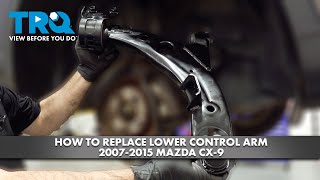
🎬 Watch: How to identify and replace a bad lower control armBuying a Used Hub Assembly
For the 2007-2015 Mazda CX-9, buying a used part is a viable option only for the rear wheels, as they use a complete bolt-on assembly. The front requires a new press-in bearing, so buying a used front steering knuckle with an old bearing still in it is not recommended.
When buying a used rear hub assembly:
- Inspect for Smoothness: The most important check is to spin the hub by hand. It should rotate smoothly and silently with no roughness, grinding, or catching. Any noise or gritty feeling means the bearing is already failing.
- Check for Play: Hold the hub flange and try to wiggle it side-to-side and up-and-down. There should be absolutely zero play or looseness. Any movement indicates a worn bearing.
- Mileage is Key: Since these bearings are a known wear item, prioritize parts from low-mileage vehicles. Aim for an assembly with under 75,000 miles if possible. A high-mileage used bearing may not last long.
- Visual Inspection: Look for signs of heavy rust, corrosion, or impact damage to the flange or housing. Ensure the wheel studs are straight and the threads are in good condition. Check that the ABS sensor cable (if attached) is not cut or damaged.
- Why Used OEM? A quality, low-mileage used OEM rear hub assembly can be a better value than a cheap, new aftermarket part. The original Mazda parts are built to a specific quality standard. Many low-cost aftermarket hubs use inferior bearings and seals that can fail prematurely.
Cost Breakdown
Prices can vary based on location, brand, and the specific part needed (front bearing vs. rear assembly). The costs below are estimates.
| Part / Service | Estimated Cost | Notes |
|---|---|---|
| New OEM Rear Hub Assembly (FWD) | $290 - $425 | Part number L206-26-15XB. |
| New Aftermarket Rear Hub Assembly | $70 - $160 | Brand quality varies significantly. |
| New Aftermarket Front Bearing & Hub Kit | $80 - $225 | Includes the separate bearing and hub. |
| Used OEM Rear Hub Assembly | $75 - $150 | Dependent on mileage and condition. |
| Shop Labor (per wheel) | $140 - $345 | Front bearing replacement will be on the higher end due to the need for a press. |
Replacement Procedure Overview

Replacing the rear hub assembly is a feasible DIY job for someone with mechanical experience and proper tools. Replacing the front press-in bearing is not recommended for DIYers without access to a hydraulic press and specialized bearing adapters.
Rear Hub Assembly (Bolt-on)
- Safely raise and support the vehicle and remove the wheel.
- Remove the brake caliper and caliper bracket, and hang them securely out of the way. Remove the brake rotor.
- Remove the axle nut from the center of the hub.
- From behind the knuckle, unbolt the 4 bolts holding the hub assembly in place.
- Remove the old hub assembly. This may require some force if it is rusted in place.
- Clean the mounting surface on the knuckle before installing the new hub.
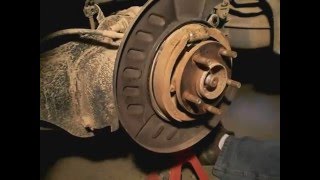
- Installation is the reverse of removal. Be sure to use a torque wrench for the hub bolts 🎬 See this walkthrough for replacing the rear bearing without removing control arms and the main axle nut.
Front Bearing (Press-in)
Warning: This procedure is for informational purposes only. It requires removing the entire steering knuckle from the vehicle and using a multi-ton shop press. Attempting this without the correct tools can result in damage to the parts or serious injury.
The general process involves disconnecting the tie rod, ball joint, and strut from the steering knuckle, removing the CV axle from the hub, and then removing the entire knuckle assembly from the vehicle. The assembly is then taken to a bench where a press is used to push the old hub out of the bearing, remove a snap ring, and then press the old bearing out of the knuckle. The new bearing is then pressed in, followed by the snap ring and the hub. This process requires precision to avoid damaging the new bearing or the knuckle.
Frequently Asked Questions
Do I need to replace the hub assemblies in pairs?
While not strictly required, it is highly recommended. Wheel bearings on the same axle experience the same wear and tear. If one has failed, the other is often not far behind. Replacing them in pairs ensures balanced performance and prevents you from having to do the same job again in the near future.
Is a wheel alignment needed after replacing a hub assembly?
For a rear hub assembly replacement, an alignment is generally not necessary as it doesn't affect adjustable alignment angles. However, for a front bearing replacement, the process involves removing the steering knuckle. This disturbance of the suspension components makes a front-end alignment highly recommended to ensure proper handling and prevent uneven tire wear.
What happens if I ignore a bad wheel bearing?
Ignoring a failing wheel bearing is dangerous. The noise and vibration will get progressively worse. Eventually, the bearing can overheat and seize up, or fail so catastrophically that the wheel separates from the vehicle, leading to a complete loss of control and a potential crash.
My noise is louder on the right, so which bearing is bad?
If the noise is louder when you are turning left, the bad bearing is on the right side. When you turn left, the vehicle's weight shifts to the right, putting more load on the failing right-side bearing and making the noise louder.
Helpful Videos
Technical Specifications
OEM Part Numbers: L2062615X L2062615XA L2062615XB
Front: Press-in bearing. Rear: Bolt-on hub assembly. The OEM part numbers listed are for the rear hub assembly on Front-Wheel Drive (FWD) models.
We Have This Part in Stock

The information in this article is provided for general reference and educational purposes only. Vehicle specifications, procedures, and part compatibility can vary by production date, trim level, and region. Always consult your vehicle's factory service manual and verify part numbers before purchasing or performing repairs. Safety-critical components such as airbags, seat belts, and braking systems should be installed by a qualified professional.
- Mazda CX-9:
- 🎬 Helpful Videos
- 🛍️ Shop This Part
- Symptoms of a Failing Hub Assembly or Wheel Bearing
- Known Issues, Recalls, and TSBs
- Front vs. Rear: A Critical Difference
- Important Safety Recall: Front Lower Ball Joints
- Buying a Used Hub Assembly
- Cost Breakdown
- Replacement Procedure Overview
- Rear Hub Assembly (Bolt-on)
- Front Bearing (Press-in)
- Frequently Asked Questions
- 🎟️ Get 5% Off