

2015-2018 Porsche Cayenne Hood: Fitment, Active Bonnet Faults, and Replacement
This guide covers common damage, active safety system issues, and how to inspect a used aluminum hood for your 2015-2018 Cayenne.
- This hood only fits 2015-2018 Porsche Cayenne 'facelift' models; it is not compatible with 2011-2014 versions.
- The 'Active Bonnet' pedestrian safety system can cause dashboard faults and requires careful handling during replacement.
- The hood is made of aluminum, which is lightweight but difficult and expensive to repair. Inspect used hoods carefully for hidden damage or previous repairs.
- Replacement is a two-person job to prevent damage and requires careful alignment of panel gaps for a factory finish.
Symptoms of a Damaged or Failing Hood

Because a hood is a body panel, its failures are typically related to physical damage or issues with related components. Here’s what to look for:
Physical Damage
The most common issue is physical damage from collisions, hail, or falling objects. On the Cayenne's aluminum hood, even minor impacts can be significant. Look for:
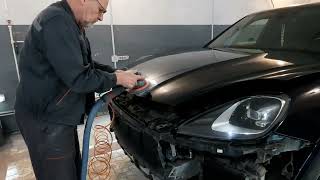
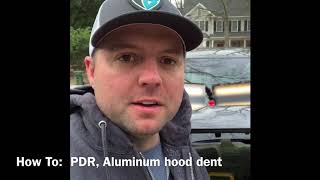
- Dents, Dings, and Creases: Obvious signs of impact. Aluminum is more difficult and expensive to repair than steel, so what looks like a small dent may require specialized PDR (Paintless Dent Repair) 🎬 Watch how PDR removes hail damage from an aluminum hood or even full replacement.
- Paint Bubbling or Blistering: This can indicate aluminum corrosion underneath the paint. It often starts on the edges or seams of the hood.
- Scratches and Paint Chips: These are cosmetic but can lead to corrosion if left untreated.
Misalignment and Latch Problems
If the hood doesn't sit flush with the fenders and bumper, it's misaligned. This can be caused by a collision or improper installation.
- Uneven Panel Gaps: The space between the hood and adjacent panels should be consistent.
- Difficulty Latching: The hood may not close securely or may require excessive force. This could be an issue with the hood itself, the striker, or the latch mechanism.
- Hood Pops Open: In rare cases, a faulty latch could allow the hood to open while driving, creating a severe safety hazard.
"Active Bonnet Fault" Warning Light
The 2015-2018 Cayenne is equipped with a pedestrian protection system. If the system's sensors or pyrotechnic actuators are malfunctioning, a warning message will appear on the dashboard. This can happen after a minor frontal impact, even if the hood wasn't visibly damaged, or due to an electrical fault. When this warning is active, the pedestrian safety feature is disabled.
Failed Hood Struts
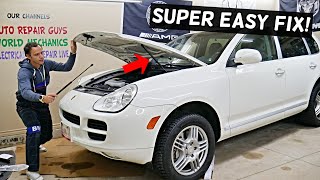
🎬 Watch this quick guide to replacing worn Cayenne hood strutsA very common and simple-to-fix issue is when the gas-charged hood struts wear out. The primary symptom is the hood failing to stay open on its own, slowly closing, or falling shut unexpectedly. This is a safety concern when working in the engine bay.
Known Issues, Recalls, and Technical Service Bulletins (TSBs)

While there are no recalls specifically for the hood panel itself on 2015-2018 models, a related recall for earlier models is worth noting. Additionally, TSBs for this generation address other common issues.
- Hood Latch Recall (Earlier Models): Recall 14V698000 (AE04) was issued for some 2014-2015 Porsche models, though primarily sports cars like the 911, Boxster, and Cayman, for a faulty hood latch that might not secure the hood properly. While the 2015-2018 Cayenne was not the main subject, it highlights the importance of a properly functioning latch.
- Active Bonnet System: This pedestrian safety system uses pyrotechnic charges to lift the hood in an impact. Faults can be triggered by minor impacts or electrical issues, resulting in a dashboard warning. Resetting or replacing these components requires a qualified technician.
- Water Ingress from Drains: A well-documented issue on the 958-generation Cayenne is clogged plenum and sunroof drains. When these drains get blocked, water can overflow into the cabin, damaging critical electronics located under the carpet, including the main wiring harness and control modules. This can cause a host of phantom electrical problems.
Pro Tip: Regularly check and clean the drains located under the hood near the base of the windshield and the sunroof drains to prevent catastrophic electrical damage.
Buying a Used 2015-2018 Cayenne Hood: What to Check

A used OEM hood is often the best value, providing factory fit and material quality. However, careful inspection is crucial before buying.
Confirming Fitment: Facelift vs. Pre-Facelift
Warning: This hood fits only the 2015-2018 Porsche Cayenne (958.2 facelift). It will not fit the 2011-2014 pre-facelift models, which have different headlights and front-end styling. Always verify the donor vehicle's model year.
Physical Inspection Checklist
When inspecting a used hood, be meticulous. What looks good from ten feet away can hide expensive problems.
- Check for Straightness: Look down the length of the hood from all angles. Check for subtle waves, ripples, or inconsistencies that indicate past bodywork.
- Inspect the Underside: The underside reveals the truth. Look for non-factory welds, seam sealer that doesn't match, or signs of hammer marks.
- Examine Edges and Corners: Ensure all edges are crisp and straight. Bent corners are difficult to repair correctly.
- Look for Corrosion: Check for any bubbling or flaking paint, especially around the edges and any mounting holes for emblems or trim.
- Verify Mounting Points: Inspect the threaded holes for the hinges and the latch striker area. Ensure they are not stripped, bent, or damaged.
Why a Used OEM Hood is a Better Choice
While cheaper aftermarket hoods exist, they often come with compromises. A used OEM hood offers several advantages:
- Guaranteed Fitment: An original Porsche hood is guaranteed to align with the factory fenders, bumper, and latch points. Aftermarket panels often have issues with panel gaps.
- Correct Material: The OEM hood is aluminum for weight savings. Some aftermarket replacements may be made of cheaper, heavier steel, which alters the vehicle's weight distribution and can be more susceptible to rust.
- Safety System Integrity: The OEM hood is designed to work with the active bonnet pedestrian safety system. An aftermarket hood may not have the correct structural properties to function as intended in a collision.
Replacement and Installation

Installation Difficulty
- Rating: 2 out of 5
- Time: 1-2 hours (not including painting)
- Feasibility: DIY is possible, but requires two people.
The physical act of swapping a hood is straightforward, but it's a two-person job to prevent scratching the fenders or dropping the hood. The most time-consuming part is achieving perfect alignment.
Step-by-Step Guide (Overview)
- Prepare the Area: Place painter's tape and towels on the fenders and cowl area to protect the paint.
- Support the Hood: Have a helper hold the hood securely. Do not rely on the hood struts, as they will be disconnected.
- Disconnect Components: Disconnect the washer fluid lines and any electrical connectors for the active bonnet system.
- Unbolt the Hinges: While the helper supports the hood's weight, remove the bolts connecting the hinges to the hood. There are typically two bolts per hinge.
- Install the New Hood: With your helper, carefully place the new hood onto the hinges and loosely install the bolts.
- Align the Hood: This is the most critical step. Gently close the hood and check the gaps on both sides and at the front. Adjust the hood's position on the hinge plates 🎬 See how to adjust and fix uneven Cayenne hood gaps until the gaps are even. The rubber bump stops can also be adjusted to fine-tune the height. Tighten the hinge bolts once aligned.
- Reconnect Components: Reconnect the washer lines and electrical connectors. Install new hood struts if the old ones are weak.
Warning: When handling the active bonnet system, it's wise to disconnect the vehicle's battery to prevent accidental deployment or system faults. Consult a service manual for the specific procedure for your vehicle.
Cost Comparison: New vs. Used Cayenne Hood
| Part Type | Estimated Cost |
|---|---|
| New OEM | $2,500 - $3,500 |
| New Aftermarket | $600 - $900 |
| Used OEM | $700 - $1,800 |
| Shop Labor (Installation & Painting) | $500 - $1,200 |
Note: Prices are estimates and can vary based on condition, location, and paint costs. Used parts prices depend heavily on whether the part is already the correct color.
Frequently Asked Questions (FAQ)
Will a hood from a 2014 Cayenne fit my 2016?
No. The 2015-2018 Cayenne is the 'facelift' model (958.2) and has different headlights, grille, and bumper, which means the hood shape is also different from the 2011-2014 (958.1) models. You must use a hood from a 2015, 2016, 2017, or 2018 Cayenne.
What is the "Active Bonnet Fault" warning on my dashboard?
This warning indicates a problem with the pedestrian protection system. This system uses small pyrotechnic charges to lift the hood during a frontal impact with a pedestrian, creating more space to cushion the impact. A fault can be triggered by a collision, a sensor failure, or an electrical issue. The system is disabled when this light is on and should be inspected by a professional.
Can I repair a small dent in my aluminum hood?
It depends. Repairing aluminum is more challenging than steel. It requires special tools and techniques, and not all body shops are equipped to do it. Paintless Dent Repair (PDR) may be possible for minor, soft dents, but sharp creases or larger impacts often necessitate replacement of the panel.
Do I need to paint a used hood?
Unless you find a used hood in excellent condition and the exact same color code as your vehicle, yes. Even then, paint can fade differently over time, so a perfect match is not guaranteed. Most used hoods will have some scratches or scuffs from storage and will need to be prepped and painted by a body shop to match your vehicle perfectly.
Helpful Videos
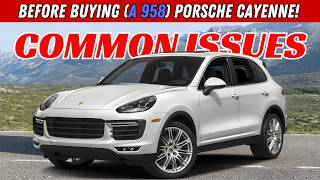
Technical Specifications
OEM Part Numbers: 95851101110 95851101110GRV 958823031BGRV
Material: Aluminum

The information in this article is provided for general reference and educational purposes only. Vehicle specifications, procedures, and part compatibility can vary by production date, trim level, and region. Always consult your vehicle's factory service manual and verify part numbers before purchasing or performing repairs. Safety-critical components such as airbags, seat belts, and braking systems should be installed by a qualified professional.
- Porsche Cayenne:
- 🎬 Helpful Videos
- Symptoms of a Damaged or Failing Hood
- Physical Damage
- Misalignment and Latch Problems
- "Active Bonnet Fault" Warning Light
- Failed Hood Struts
- Known Issues, Recalls, and Technical Service Bulletins (TSBs)
- Buying a Used 2015-2018 Cayenne Hood: What to Check
- Confirming Fitment: Facelift vs. Pre-Facelift
- Physical Inspection Checklist
- Why a Used OEM Hood is a Better Choice
- Replacement and Installation
- Installation Difficulty
- Step-by-Step Guide (Overview)
- Cost Comparison: New vs. Used Cayenne Hood
- Frequently Asked Questions (FAQ)
- 🎟️ Get 5% Off