

2017-2020 Nissan Armada Hood: Latch Issues, Damage Inspection, and Replacement Guide
A complete guide to diagnosing common hood problems, from latch failures to physical damage, and what to inspect on a used replacement.
- The most common failures are not the hood itself, but its supporting parts: the hood lift supports (struts) failing to hold it up, and the latch mechanism failing to keep it securely closed.
- A faulty hood latch is a critical safety issue; if the hood is loose or rattles, it must be inspected immediately to prevent it from opening while driving.
- When buying a used hood, prioritize finding one with a matching paint code to save on costs, and inspect it carefully for signs of hidden damage like body filler or cracked seam sealer.
- Aftermarket hoods are cheaper but often have fitment issues, potentially costing more in labor to align correctly than the savings on the part. A straight used OEM hood is often a better choice.
Symptoms of a Failing or Damaged Hood


While a large body panel like a hood doesn't "fail" in the same way a mechanical part does, its related components can wear out, and the panel itself can suffer from issues that require attention.
Hood Won't Stay Open
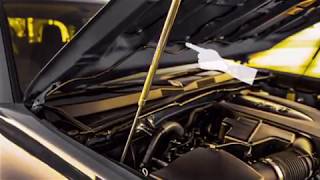
The most common issue is the hood not staying up on its own. This is caused by failing hood lift supports, also known as struts or shocks. These are gas-pressurized cylinders that lose their ability to support the hood's weight over time. Symptoms progress from the hood slowly drifting down to it not staying up at all, or suddenly slamming shut, which is a significant safety hazard.
🎬 See how to replace failing Nissan hood struts.Hood Won't Close, Latch, or Pops Open
This is a critical safety issue related to the hood latch mechanism. You might notice the hood rattles while driving, requires multiple attempts to close, or needs to be slammed shut. In the worst-case scenario, the hood can pop open while driving, completely obstructing the driver's view. This can be caused by a misaligned or worn-out latch, a stretched or broken release cable, or corrosion in the latch assembly.
Visible Damage and Misalignment
Physical damage from collisions, falling objects, or rust is a clear sign a hood needs replacement. Dents, creases, and deep scratches are not just cosmetic; they can compromise the panel's structural integrity. Poor hood alignment, indicated by uneven gaps with the fenders and front bumper, can be a sign of past collision damage or incorrect installation.
Hood Vibration or Flutter at Highway Speeds
Some owners report the hood panel vibrating or fluttering at higher speeds. This can be caused by improper hood alignment, worn or improperly adjusted rubber hood bumpers (stoppers), or a gap between the inner and outer hood panels where the factory adhesive has separated. While not immediately dangerous, it can be unsettling and may indicate a need for adjustment or repair.
Known Issues, Recalls, and TSBs
While searches for major recalls specifically for the 2017-2020 Nissan Armada hood did not yield results, Nissan has had recalls for hood latch issues on other models like the Altima due to corrosion causing the secondary latch to fail. This highlights the importance of keeping the latch mechanism clean and lubricated as a preventative measure. Some TSBs for other vehicle makes address hood flutter by injecting a panel vibration control material between the inner and outer hood skins where the factory adhesive may have failed. Adjusting the hood bumpers and ensuring the latch is properly aligned can also resolve vibration issues.
Warning: A faulty hood latch is a serious safety hazard. If your hood is loose, rattles, or does not latch securely, do not drive the vehicle. An unexpected opening of the hood at speed can cause a total loss of visibility and a crash.
Buying a Used 2017-2020 Armada Hood: What to Check

A used OEM hood is often the best value, providing factory-grade fitment and quality that aftermarket parts can't always match. Since new OEM hoods come unpainted, finding a used one in the correct color can save you hundreds of dollars in paint costs.
Inspection Checklist:
- Check for Hidden Repairs: Look at the underside of the hood. Check for non-factory welds, cracked body filler, or overspray. The texture should be uniform. Run your hand along the surface to feel for subtle waves or imperfections that indicate a previous repair.
- Inspect Edges and Seams: Pay close attention to the folded edges on the underside. This is a common area for rust to begin. The seam sealer should be intact and consistent.
- Verify Structural Integrity: Ensure the inner frame of the hood is not bent or cracked, especially around the hinge and latch mounting points. Damage here suggests a significant impact.
- Confirm Material: While many aftermarket hoods are steel, OEM may be aluminum. An aluminum hood is lighter but more difficult and expensive to repair if dented. Confirm you are getting the correct OEM material.
- Why Used OEM is Often Better: Aftermarket hoods are cheaper but notorious for poor fitment. They often require extra labor for drilling, shimming, and aligning to get panel gaps even, which can negate the initial cost savings. A straight, undamaged used OEM hood will bolt on with factory precision.
Cost Comparison for a 2017-2020 Nissan Armada Hood
Prices can vary significantly based on supplier and condition. Painting and installation are additional costs.
| Part Type | Estimated Cost (Part Only) | Notes |
|---|---|---|
| New OEM | $660 - $1,050 | Guaranteed fit, but comes unpainted. |
| New Aftermarket | $270 - $500 | More affordable, but may require significant work to align properly. Often made of steel. |
| Used OEM | $400 - $850+ | Best value if found in good condition and matching color. Price varies greatly with condition. |
| Shop Labor (Installation) | $100 - $200 | Does not include painting. A straightforward job for a body shop. |
| Shop Labor (Paint) | $400 - $800+ | Cost to paint a new hood to match your vehicle's color. |
Replacement Overview

Replacing the hood on a Nissan Armada is a relatively straightforward job but requires two people to avoid scratching the fenders or damaging the new hood.
- Difficulty: 2/5
- Estimated Time: 1-1.5 hours (not including alignment adjustments)
- Tools Needed: Socket set, wrench, possibly a trim removal tool for washer lines.
Pro Tip: Before unbolting the old hood, use a marker or scribe to outline the position of the hinges on the hood. This will give you a starting point for aligning the new hood and can save significant time on adjustments.
The basic process involves propping the hood open securely, disconnecting the windshield washer fluid hose, having a helper support the weight, and unbolting the four to six bolts that hold the hood to the hinges. Installation is the reverse, followed by a potentially time-consuming alignment process to ensure even panel gaps on all sides.
Frequently Asked Questions (FAQ)
Is the 2017-2020 Nissan Armada hood made of steel or aluminum?
Some OEM sources suggest Nissan has used both steel and aluminum for Armada hoods, with aluminum being an option for efficiency. Many aftermarket replacements are made of steel. If weight is a concern, or you want to maintain original specifications, it's best to verify the material of a replacement part.
My hood shakes at highway speeds. How can I fix it?
First, check the adjustable rubber bumpers, usually located at the front corners of the engine bay. Try twisting them up (counter-clockwise) a quarter-turn at a time 🎬 Watch this quick guide to replacing Nissan hood bumpers. to provide more support. If that doesn't work, the hood latch and striker may need alignment. In some cases, the adhesive between the inner and outer hood panels can separate, requiring a special panel bonding adhesive to fix.
Why won't my hood stay up?
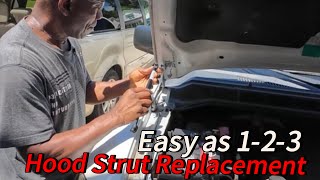
This is almost always due to failed hood lift supports (struts). They are gas-charged shocks that lose pressure over time. They are relatively inexpensive and easy to replace with just a small flathead screwdriver to release the retaining clips. 🎬 Watch this step-by-step video on removing and replacing hood struts. They should always be replaced in pairs.
Can I replace a damaged hood myself?
Yes, if you have a helper. The hood is large and awkward to handle alone, and you risk damaging the fenders or the hood itself. The unbolting and bolting process is simple, but achieving perfect alignment of the new hood can be tricky and requires patience.
Helpful Videos
Technical Specifications
OEM Part Numbers: F510M-1LBMA F510M-6JFMA F510M-7KAMA
Material: Steel or Aluminum depending on OEM or aftermarket source. Weight: Approximately 40 lbs.

The information in this article is provided for general reference and educational purposes only. Vehicle specifications, procedures, and part compatibility can vary by production date, trim level, and region. Always consult your vehicle's factory service manual and verify part numbers before purchasing or performing repairs. Safety-critical components such as airbags, seat belts, and braking systems should be installed by a qualified professional.
- Nissan Armada:
- 🎬 Helpful Videos
- Symptoms of a Failing or Damaged Hood
- Hood Won't Stay Open
- Hood Won't Close, Latch, or Pops Open
- Visible Damage and Misalignment
- Hood Vibration or Flutter at Highway Speeds
- Known Issues, Recalls, and TSBs
- Buying a Used 2017-2020 Armada Hood: What to Check
- Inspection Checklist:
- Cost Comparison for a 2017-2020 Nissan Armada Hood
- Replacement Overview
- Frequently Asked Questions (FAQ)
- 🎟️ Get 5% Off