

2010-2019 Jaguar XJ Hood: Vented XJR vs. Standard and Pedestrian Safety System Explained
This guide covers the critical differences between the standard and XJR hoods, how to inspect a used one, and what to know about the active pedestrian safety system before you buy.
- The single most important step is to verify whether your car needs the smooth standard hood or the dual-vented hood for XJR models.
- Many XJs have an Active Pedestrian Safety System with one-time-use pyrotechnic charges that raise the hood in a crash. If this system deploys, the actuators must be replaced.
- A false 'Hood Open' warning light is a common issue addressed by a TSB (JTB00619NAS2), which points to a faulty microswitch in the latch.
- The hood is made of aluminum, so when inspecting a used part, look carefully for signs of previous repairs like body filler, as aluminum is harder to repair than steel.
Variant Differences: Standard vs. XJR Vented Hoods

The most important factor when purchasing a replacement hood for a 2010-2019 Jaguar XJ is identifying the correct version for your vehicle's trim level. There are two distinct styles:
- Standard Hood: Found on most XJ and XJL models, this hood has a smooth surface with two subtle character lines. It does not have any openings or vents.
- XJR Hood: Equipped on the high-performance XJR and XJR575 models, this hood is easily identified by two prominent, mesh-covered heat extractor vents (or louvers). These vents are functional, helping to release hot air from the engine bay.
Warning: The hoods are not directly interchangeable without consideration. While an XJR hood might physically bolt onto a standard XJ, the look will be incomplete without the other XJR body styling. More importantly, a standard hood lacks the necessary cutouts for the vents found on an XJR. Always verify which style your vehicle requires before ordering.
The Active Hood for Pedestrian Protection

Many Jaguar XJ models are equipped with a sophisticated safety feature called the Pyrotechnic Pedestrian Deployable Bonnet (PPDB), or Active Hood system. This system is designed to reduce pedestrian injury in the event of a frontal collision.
- How it Works: Sensors in the front bumper detect an impact with a pedestrian. In milliseconds, small pyrotechnic actuators (similar to those in an airbag) fire, pushing the rear of the hood up by several inches. This creates a larger gap between the hood and the hard engine components underneath, providing a cushioning effect.
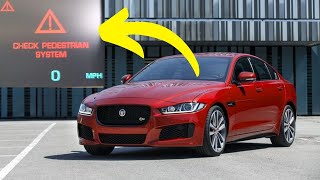
- Implications for Replacement: If this system has been deployed, the actuators are a one-time-use item and must be replaced along with any damaged hood components. A "Check Pedestrian System" warning on the dashboard can indicate a fault in the system, which could be caused by a weak battery, faulty sensors, or wiring issues. 🎬 Watch this guide on troubleshooting the 'Check Pedestrian System' warning When buying a used hood, it is critical to ensure it did not come from a vehicle where this system was deployed, as the mounting points or the panel itself could be damaged.
Symptoms of a Bad or Failing Hood

While a hood doesn't "fail" like a mechanical part, it can have issues that require attention or replacement. Common problems include:
- Physical Damage: Dents from impacts, hail, or falling objects are the most common reason for replacement. Scratches and paint damage are also frequent issues.
- Poor Alignment: Uneven gaps between the hood and fenders or bumper can indicate past collision damage or improper installation. This can also cause wind noise at speed.
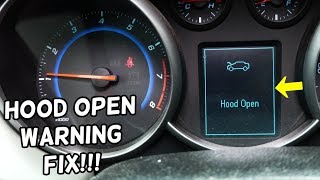
- "Hood Open" Warning Light: A persistent "Hood Open" warning on the dashboard, even when the hood is securely closed, is a known issue. This is often caused by a faulty microswitch inside the hood latch mechanism, which can fail due to water ingress. Jaguar issued a Technical Service Bulletin (JTB00619NAS2 🎬 Watch: How to fix the false 'Hood Open' warning light) for this problem, recommending the replacement of the affected hood latch.
- Latch Failure: The hood may become difficult to close, or it might not latch securely. In a worst-case scenario, a faulty primary latch could fail while driving, though a secondary safety catch should prevent the hood from flying open completely.
Pro Tip: If you are experiencing a false "Hood Open" warning, a temporary fix can be to short the two pins on the sensor's electrical connector to make the car believe the hood is always closed. However, the correct long-term repair is to replace the faulty latch assembly.
Buying a Used 2010-2019 Jaguar XJ Hood: What to Check

A used OEM hood is often the best value, offering perfect fitment compared to potentially problematic aftermarket panels. Here’s what to inspect before you buy:
- Verify the Style: First and foremost, confirm you are buying the correct hood—either the smooth standard version or the vented XJR style. Bring a photo of your car for easy comparison.
- Inspect the Aluminum Panel: The XJ's hood is made of aluminum. Look down the length of the panel from an angle to spot any subtle dents, waves, or ripples. Check the front edge for stone chips and the underside for any signs of corrosion, especially around the seams.
- Check for Previous Repairs: Look for signs of body filler (Bondo), which can indicate a past repair. Check the underside for non-factory welds or bracing that looks bent or repaired. Mismatched paint texture or overspray on the underside are also red flags.
- Examine Mounting Points: Ensure the areas where the hinges and latch striker bolt on are intact and not cracked, bent, or elongated from a past impact.
- Check the Pedestrian Safety Actuators: If the hood includes the pedestrian safety actuators, inspect them for any signs of deployment. A deployed actuator will be visibly extended or damaged. It's often safer to buy a hood without these and transfer your existing ones, assuming they have not been deployed.
Known Issues, Recalls, and Technical Service Bulletins (TSBs)
- TSB JTB00619NAS2: Addresses a 'Hood Open' warning message displayed on the instrument cluster when the hood is properly latched. The cause is identified as potential water ingress into the hood latch microswitch, and the prescribed fix is to replace the hood latch assembly.
- Recalls: There have been no specific recalls for the hood panel itself on the 2010-2019 Jaguar XJ in the North American market. However, numerous other recalls exist for this vehicle, so it is always wise to check your vehicle's VIN on the NHTSA website for any outstanding safety campaigns.
Cost Comparison
| Part Type | Estimated Cost |
|---|---|
| New OEM (XJR Vented) | $2,700 - $3,000+ |
| New OEM (Standard) | $1,500 - $2,200 |
| New Aftermarket | $500 - $900+ |
| Used OEM | $350 - $800+ (depending on condition and style) |
| Shop Labor (Installation & Painting) | $400 - $800+ (painting is the major cost) |
Note: Prices are estimates and can vary based on supplier, location, and the condition of the part. Used parts will also require painting to match your vehicle, which is a significant additional cost.
Frequently Asked Questions (FAQ)
Can I put an XJR hood on my standard XJ?
Physically, it should bolt on, as the basic dimensions and hinge points are the same. However, the aggressive look of the vented hood may appear out of place without the other XJR-specific body parts like bumpers and side skirts. It is a popular aesthetic upgrade for some owners.
What is the "Check Pedestrian System" warning?
This warning indicates a fault with the Active Hood system. Common causes include a failing battery, faulty impact sensors in the bumper, corroded wiring, or a problem with the pyrotechnic actuators themselves. While the car is still drivable, the pedestrian safety feature will not function in a collision and the warning light may cause the vehicle to fail a safety inspection.
How do I fix a "Hood Open" warning light that won't turn off?
This is a common problem caused by a faulty microswitch in the hood latch. According to Jaguar's TSB, the official repair is to replace the entire latch assembly. Some owners have temporarily bypassed the sensor by shorting the wires in the connector to turn off the light.
Is the Jaguar XJ hood made of steel or aluminum?
The hood panel on the 2010-2019 Jaguar XJ is made of aluminum to save weight. This means that dent repair can be more specialized and costly than with a traditional steel panel.
Helpful Videos
Technical Specifications
OEM Part Numbers: AW9316612AD AW9316854 C2D6121 C2D24651 C2D24748 C2D33147
Material: Aluminum

The information in this article is provided for general reference and educational purposes only. Vehicle specifications, procedures, and part compatibility can vary by production date, trim level, and region. Always consult your vehicle's factory service manual and verify part numbers before purchasing or performing repairs. Safety-critical components such as airbags, seat belts, and braking systems should be installed by a qualified professional.
- Jaguar XJ:
- 🎬 Helpful Videos
- Variant Differences: Standard vs. XJR Vented Hoods
- The Active Hood for Pedestrian Protection
- Symptoms of a Bad or Failing Hood
- Buying a Used 2010-2019 Jaguar XJ Hood: What to Check
- Known Issues, Recalls, and Technical Service Bulletins (TSBs)
- Cost Comparison
- Frequently Asked Questions (FAQ)
- 🎟️ Get 5% Off