

2016-2023 Nissan Maxima Hood Hinge: Fixing Misalignment and Sticking Issues
This guide covers common failure symptoms, replacement costs, and what to inspect when buying a used hood hinge for your 2016-2023 Maxima.
- The most critical step for a DIY replacement is to scribe or mark the old hinge's position on the hood before removal to simplify alignment.
- A used OEM hinge is often superior to a new aftermarket one due to better fitment, but inspect it carefully for bends and wear before buying.
- Symptoms include poor hood alignment, binding, popping noises, and shaking at speed.
- The left (65401-4RA0A) and right (65400-4RA0A) hinges are not interchangeable.
Symptoms of a Failing Hood Hinge
A hood hinge is a simple mechanical part, but its failure can cause noticeable and frustrating problems. Because the hood is a large panel, even slight issues with a hinge can lead to significant alignment problems. Here are the most common signs that your Maxima's hood hinges may be failing:
- Hood is Difficult to Open or Close: The most common symptom is a binding or sticking hinge. This can be caused by rust, debris in the pivot mechanism, or a slight bend in the hinge from stress. You may feel resistance or hear a creaking sound.
- Popping or Grinding Noises: Worn or unlubricated pivot points on the hinge can make loud popping or grinding sounds as the hood is moved.
- Poor Hood Alignment: This is a clear visual sign. Look at the gaps between the hood and the fenders. If one side has a wider or more uneven gap than the other, a worn or bent hinge is a likely cause. You might also notice the rear corner of the hood (near the windshield) sitting higher than the fender.
- Hood Shakes or Vibrates While Driving: If the hinge pivots are excessively worn, they can allow the hood to move and flutter, especially at highway speeds. This can be a safety concern.
- Visible Damage or Rust: A visual inspection may reveal bent metal, cracks near the pivot points, or significant rust that is impeding movement.
Known Issues, TSBs, and Recalls
As of mid-2024, there are no specific recalls or Technical Service Bulletins (TSBs) from Nissan that directly address the hood hinges for the 2016-2023 Maxima. Searches of the NHTSA database and other public records show recalls for this generation Maxima related to fuel systems and airbag sensors, but none for the hood hinges themselves. However, earlier model year Nissan Altimas (2013-2015) were subject to a significant recall for a faulty secondary hood latch mechanism that could fail to keep the hood closed if the primary latch was released. While this does not apply to the 2016-2023 Maxima's hinges, it highlights the importance of ensuring all hood components, including hinges and latches, are in good working order.
Pro Tip: Problems with hood alignment or closing are often blamed on the latch. Before replacing hinges, always check that the hood latch and striker are properly lubricated and adjusted, and that the rubber hood bumpers on the radiator support are set to the correct height.
🎬 Watch: How to lubricate your hood hinges and latchBuying a Used 2016-2023 Maxima Hood Hinge: What to Check
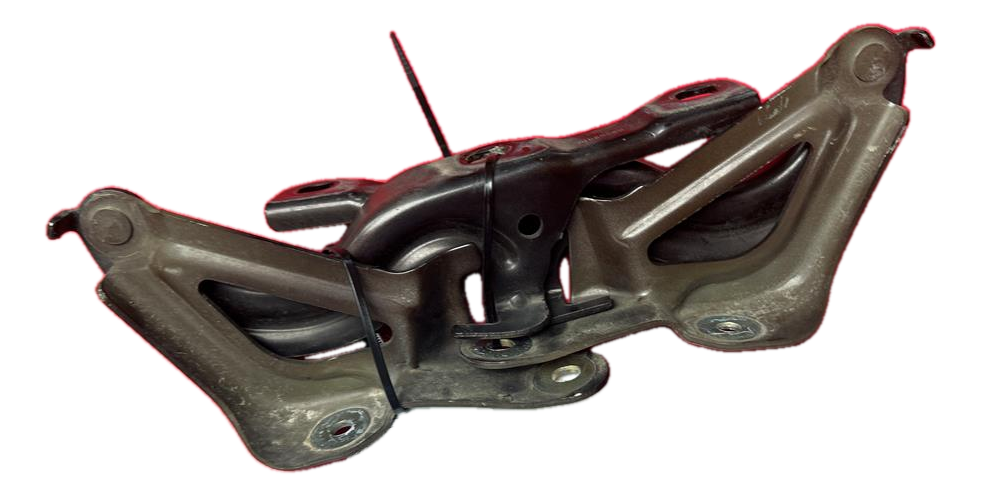
A used OEM hood hinge is often a better choice than a new aftermarket part. Original Nissan hinges are made from high-quality steel and are stamped to precise dimensions, ensuring a perfect fit. Aftermarket hinges can sometimes have slight variations in hole placement or shape that make hood alignment difficult. When buying a used hinge, perform these critical checks:
- Check for Straightness: Lay the hinge on a flat surface. It should sit perfectly flat with no wobbling. Look down its length from all angles to spot any subtle bends or twists. A hinge from a collision-damaged vehicle is often bent and should be avoided, as it will make proper hood alignment impossible.
- Inspect the Pivot Point: Work the hinge back and forth by hand. It should move smoothly without binding or excessive looseness. Worn pivot rivets can cause play, leading to a shaky hood.
- Examine the Mounting Holes: Check the bolt holes where the hinge attaches to the body and the hood. Ensure they are round and not elongated or cracked. Elongated holes are a sign the hinge has been stressed or shifted in an impact.
- Verify the Correct Side: Hood hinges are specific to the driver (left) and passenger (right) sides. They are not interchangeable. The OEM part number for the right-hand (passenger) side is 65400-4RA0A and the left-hand (driver) side is 65401-4RA0A.
Cost Comparison for a Single Hood Hinge
| Part Type | Estimated Price Range |
|---|---|
| New OEM | $45 - $70 |
| New Aftermarket | $20 - $40 |
| Used OEM | $25 - $50 |
Hood Hinge Replacement Guide
Replacing a hood hinge on a 2016-2023 Nissan Maxima is a straightforward job, but requires a helper and careful attention to alignment.
- Difficulty: 2/5
- Estimated Time: 0.5 - 1 hour
- Shop Labor Cost: $100 - $200
Warning: The hood is heavy and awkward. Always have a helper support the hood during removal and installation to prevent injury and damage to the fenders, windshield, or hood itself.
Step-by-Step Procedure:
- Prepare the Area: Place thick blankets or towels over the fenders and the base of the windshield to protect them from scratches.
- Mark the Hinge Position: This is the most critical step for easy alignment. Use a scribe, marker, or paint pen to trace the outline of the old hinge's position on the underside of the hood. This gives you a precise reference for installing the new one.
- Support the Hood: Have a helper hold the hood securely in the open position. If you are working alone, you must use a dedicated hood prop, not just the factory lift supports.
- Remove the Hinge: First, unbolt the hinge from the hood (typically two bolts). Next, unbolt the hinge from the vehicle's body/apron (typically two bolts). Remove the old hinge. 🎬 See this step-by-step hood hinge replacement walkthrough
- Install the New Hinge: Loosely bolt the new hinge to the body, then loosely attach it to the hood.
- Align and Tighten: Carefully lower the hood, using your scribe marks to guide the hinge into its original position. Adjust as needed to get the gaps even on both sides. 🎬 Watch: How to adjust and align your car's hood Once you are satisfied with the alignment, have your helper hold the hood steady while you tighten all the bolts securely.
- Final Check: Gently close the hood to ensure it latches properly and that all body lines and gaps are even. Make small adjustments as needed.
Frequently Asked Questions (FAQ)
Do I need to replace both hood hinges at the same time?
Not necessarily. If one hinge was damaged in a minor impact, you can replace just that one. However, if one hinge has failed due to age or rust, the other is likely in similar condition. Replacing them in pairs is often recommended for best results and to prevent future issues.
Will a used hood hinge need to be painted?
Most used OEM hinges will come from a vehicle of the same color, so no painting is needed. New OEM and aftermarket hinges typically come with a black e-coat primer and should be painted to match your vehicle's body color for a professional finish and to prevent rust.
Is the hood lift support (gas strut) part of the hinge?
No, the hood lift supports are separate components. They are gas-filled struts that help you lift the hood and hold it open. If your hood won't stay up on its own, you need to replace the lift supports, not the hinges.
What causes hood hinges to fail?
The most common causes of failure are wear and tear at the pivot points from repeated opening and closing, lack of lubrication causing rust and binding, and physical damage from a front-end collision. Slamming the hood shut can also put excessive stress on the hinges and latch over time.
Helpful Videos


Technical Specifications
OEM Part Numbers: 65400-4RA0A (Right/Passenger Side) 65401-4RA0A (Left/Driver Side)
Material: Stamped Steel
We Have This Part in Stock

The information in this article is provided for general reference and educational purposes only. Vehicle specifications, procedures, and part compatibility can vary by production date, trim level, and region. Always consult your vehicle's factory service manual and verify part numbers before purchasing or performing repairs. Safety-critical components such as airbags, seat belts, and braking systems should be installed by a qualified professional.
- Nissan Maxima: