

2015-2024 Ford Edge Hood: Decoding Part Numbers, Corrosion, and Fitment
This guide clarifies the critical differences between 2015-2018 and 2019-2024 hoods, common aluminum corrosion problems, and what to inspect on a used part.
- There is a critical split: 2015-2018 and 2019-2024 hoods are NOT interchangeable due to a model facelift.
- The most common defect is aluminum corrosion causing paint to bubble along the front seam; inspect any used hood carefully for this.
- A used OEM aluminum hood generally provides better fitment than a new aftermarket steel version.
- Budget for a professional repaint, as finding a used hood with a perfect color match is highly unlikely.
A Critical Warning: 2015-2018 vs. 2019-2024 Hoods Are NOT Interchangeable
The most important fact to know when buying a replacement hood for a second-generation Ford Edge is that there was a significant facelift for the 2019 model year. This means the hoods for 2015-2018 models and 2019-2024 models are different and cannot be swapped. They have different shapes to match the updated headlights, grille, and bumper. Always verify the year of the vehicle before purchasing a hood.
Part Number Guide
You can identify the correct hood by the OEM part number. The prefixes are a clear indicator of the year range:
| Model Years | OEM Part Number Prefix | Example Part Numbers |
|---|---|---|
| 2015-2018 | FT4Z | FT4Z-16612-A |
| 2019-2024 | KT4Z | KT4Z-16612-A, KT4Z-16612-B |
Known Issues for 2015-2024 Ford Edge Hoods
Aluminum Corrosion and Paint Bubbling
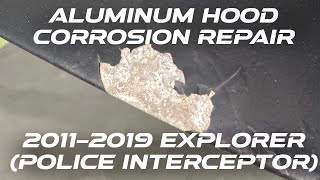
The most common issue reported by owners is paint bubbling and peeling, especially along the front leading edge of the hood. This is caused by corrosion of the aluminum panel itself. Ford has issued multiple Technical Service Bulletins (TSBs), such as TSB 19-2026 and 20-2233, acknowledging this issue on various models, including the Edge. The problem is often caused by iron contamination during manufacturing, which leads to corrosion under the paint. The TSB recommends complete panel replacement as the preferred repair method. When inspecting 🎬 See how to repair aluminum hood corrosion a hood, look for any signs of bubbling, which indicates a deeper problem that cannot be fixed by simply repainting.
Hood Flutter at Highway Speeds
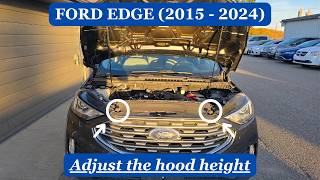
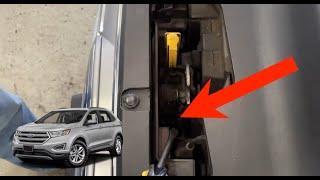
Many Edge owners report that the hood appears to shake, flutter, or bounce at highway speeds, especially in windy conditions. While alarming, this is not usually a sign that the latch is failing. The most common cause is improperly adjusted rubber bump stops located on either side of the engine bay near the headlights. These stops are threaded and can be turned counter-clockwise to raise them, creating more tension against the hood when it's closed and reducing flutter. In some cases, 🎬 Watch: How to adjust your front hood height the latch itself can also be adjusted to hold the hood down more tightly.
Hood Latch Recalls
While there are no specific recalls for the hood panel itself, the greater Ford family of vehicles has had recalls for related components. For example, a widespread recall for degrading shifter cable bushings included 2015-2018 Edge models, though this does not directly affect hood safety. It is always wise to check for any open recalls on your specific vehicle using its VIN on the NHTSA or Ford owner websites.
Symptoms of a Damaged Hood
- Visible Damage: Dents, deep scratches, and creases from impacts or hail are the most obvious signs.
- Paint Bubbling: Blisters or bubbles in the paint, especially on the front edge, are a tell-tale sign of aluminum corrosion.
- Poor Alignment: Uneven gaps between the hood and the fenders or bumper indicate either a past accident or improper installation.
- Difficulty Opening or Closing: If the hood doesn't latch easily or requires force to close, the latch, hinges, or the hood itself 🎬 Watch: Quick fix for a hood that won't shut may be bent.
- Vibration or Fluttering: Excessive movement at speed points to an alignment or bump stop issue.
Warning: If your hood does not latch securely or pops open to the secondary latch position while driving, it is unsafe. A hood that flies open completely can shatter the windshield and cause a total loss of visibility, leading to a crash.
Buying a Used Hood: What to Inspect
A used OEM hood is often a better choice than a new aftermarket one because it guarantees a perfect fit and is made from the correct grade of aluminum. However, careful inspection is crucial.
- Verify the Year Range: First and foremost, confirm the hood is from the correct model year block (2015-2018 or 2019-2024). An incorrect hood will not fit.
- Inspect for Corrosion: This is the most critical check. Run your fingers along the underside of the front lip and all hemmed edges. Look for any paint bubbling or white, dusty residue. If you see any, reject the hood, as the corrosion will return even after repainting.
- Check for Hidden Damage: Look at the underside of the hood for any wrinkles, strange textures, or non-factory welds, which are signs of a previous repair. Body filler can hide dents, so inspect the surface reflections for any waviness.
- Assess Paint Condition: Finding a used hood in the exact color and perfect condition is rare. Expect to find minor scratches or rock chips. Budget for a professional repaint, which is almost always necessary for a perfect match.
- Check the Inner Structure: Ensure the underlying support structure is not bent or cracked, as this can compromise its strength in an accident.
Replacement Overview
Pro Tip: Replacing a hood is a two-person job. The panel is large and awkward, and attempting it alone risks scratching the fenders or damaging the new hood.
Installation is straightforward for a DIYer with a helper. The process involves marking the position of the old hinges with tape, disconnecting the windshield washer fluid hose, and having a helper support the hood while you unbolt it from the hinges. The new hood is then bolted on, and the most time-consuming part is aligning it to achieve even panel gaps with the fenders and front bumper.
Cost Comparison
Prices can vary based on location and condition. Painting is a significant additional cost.
| Part Source | Estimated Cost (Part Only) | Notes |
|---|---|---|
| New OEM | $900 - $1,500+ | Comes unpainted, but guarantees a perfect fit. |
| New Aftermarket (Steel) | $200 - $400 | Often made of steel instead of aluminum. Fitment can be inconsistent. |
| Used OEM | $300 - $800 | Best value if you can find one in good, corrosion-free condition. Will likely require repainting. |
| Shop Labor (Installation) | $150 - $300 | Covers removal, installation, and alignment. Does not include painting. |
| Shop Labor (Painting) | $400 - $1,000+ | Cost to paint the hood to match the vehicle. Blending into fenders may be required. |
Frequently Asked Questions (FAQ)
Is the hood for the Edge ST different from the SE or Titanium?
No, the hood is the same across all trim levels (SE, SEL, ST-Line, Titanium, and ST) within the same year range (2015-2018 or 2019-2024).
Can I fix the aluminum paint bubbling myself?
It is not recommended for a DIY repair. Aluminum corrosion requires specialized preparation and materials to stop it from returning. Simply sanding and painting over the bubbles is a temporary fix at best; the corrosion will reappear. Ford's own TSBs recommend full panel replacement.
Why is my hood shaking, and how do I fix it?
Hood flutter at highway speeds is a common complaint. The fix is usually simple: open the hood and locate the two adjustable rubber bump stops, one near each headlight. Turn them counter-clockwise a full turn or two to raise them. This will create more tension when the hood is closed and should stop the flutter.
Do I need to replace the hood hinges and latch when I replace the hood?
Generally, no. Unless the vehicle was in a front-end collision that damaged the hinges or latch, they can be reused. Always inspect them for cracks or bends before reinstalling the new hood.
Helpful Videos
Technical Specifications
OEM Part Numbers: FT4Z16612A FT4Z-16612-A KT4Z16612A KT4Z-16612-A KT4Z16612B KT4Z-16612-B 2315847 2354996 2415471 2419232
Material: Aluminum
We Have This Part in Stock



The information in this article is provided for general reference and educational purposes only. Vehicle specifications, procedures, and part compatibility can vary by production date, trim level, and region. Always consult your vehicle's factory service manual and verify part numbers before purchasing or performing repairs. Safety-critical components such as airbags, seat belts, and braking systems should be installed by a qualified professional.
- Ford Edge:
- 🎬 Helpful Videos
- 🛍️ Shop This Part
- A Critical Warning: 2015-2018 vs. 2019-2024 Hoods Are NOT Interchangeable
- Part Number Guide
- Known Issues for 2015-2024 Ford Edge Hoods
- Aluminum Corrosion and Paint Bubbling
- Hood Flutter at Highway Speeds
- Hood Latch Recalls
- Symptoms of a Damaged Hood
- Buying a Used Hood: What to Inspect
- Replacement Overview
- Cost Comparison
- Frequently Asked Questions (FAQ)
- 🎟️ Get 5% Off