

2001-2004 Ford Mustang Heater Core: Leaks, Foggy Windows & Replacement Guide
Your definitive guide to diagnosing a failed heater core, navigating the dashboard-out replacement, and finding a quality used part for your Mustang.
- Heater core replacement is a major job requiring complete dashboard removal, making labor the most expensive part of the repair.
- Key symptoms of failure are a sweet coolant smell in the cabin, a greasy film on the windows, and a wet passenger-side floorboard.
- Before installing a used heater core, always pressure test it to 15 PSI to ensure it doesn't leak.
- Due to the high labor cost, using a quality OEM part (new or tested used) is often recommended over cheaper aftermarket alternatives that may have a shorter lifespan.
Symptoms of a Failing 2001-2004 Mustang Heater Core


A failing heater core in a 2001-2004 Ford Mustang presents several distinct and hard-to-ignore symptoms. Because the part is located inside the car, a failure can be both messy and hazardous.
1. Sweet Smell Inside the Cabin
The most common and immediate sign of a heater core leak is a sweet, syrup-like smell inside the car, especially when the heat or defroster is running. This odor is from the engine coolant (antifreeze), which contains ethylene glycol. Breathing these fumes is not recommended, so this symptom should be addressed quickly.
2. Foggy or Greasy Film on Interior Windows
When the heater core leaks, it can spray a fine mist of hot coolant into the HVAC housing. This vapor then circulates through the vents and condenses on the cold glass of the windshield and windows, leaving a greasy or foggy film that is difficult to wipe away. This can significantly impair visibility, especially when using the defroster.
3. Damp or Wet Passenger-Side Floor
A significant leak will result in liquid coolant dripping from the HVAC housing and soaking the passenger-side carpet. The coolant will feel sticky or oily to the touch and will not evaporate like water. This can lead to mold, mildew, and corrosion of the floor pan if not corrected.
4. No Heat or Poor Heat Output
A clogged heater core can prevent hot coolant from circulating properly, resulting in little to no heat coming from the vents, even when the engine is at full operating temperature. Sometimes, you may only get heat when the engine is at higher RPMs (while driving) but not at idle.
5. Unexplained Coolant Loss
If you find yourself repeatedly adding coolant to the reservoir but can't find any visible leaks in the engine bay or on the ground, the leak may be internal. The heater core is a common culprit for this type of hidden leak.
Warning: A significant coolant leak from any part of the system, including the heater core, can lead to low coolant levels. This puts the engine at risk of overheating, which can cause severe and expensive damage.
Known Issues, TSBs, and Recalls

While there are no specific recalls for the heater core on the 2001-2004 Ford Mustang, Ford did issue a Technical Service Bulletin (TSB) that is relevant.
- TSB 06-21-19: This bulletin addresses repeat heater core leaks across various Ford models. It notes that most repeat failures are due to high coolant flow rates or poor quality coolant. It also recommends checking for electrolysis (an electrical charge in the cooling system) as a potential cause, especially if a vehicle has had multiple heater core failures. Forum discussions among Mustang owners echo this, with some experiencing multiple failures from aftermarket parts and suggesting that bad engine grounds could contribute to electrolysis.
Buying a Used 2001-2004 Mustang Heater Core
Given the extremely high labor cost to replace this part, opting for a used Original Equipment Manufacturer (OEM) unit over a cheap new aftermarket part can be a smart choice. OEM parts often have better construction and fitment. However, you must inspect a used heater core thoroughly before installation.
Inspection Checklist:
- Visual Inspection: Check the aluminum fins. While a few bent fins are okay, widespread damage can reduce efficiency. More importantly, inspect the plastic or aluminum end tanks and the pipe connections for any cracks, warping, or signs of previous repair (like epoxy or excessive solder).
- Check for Residue: Look for crusty, white, green, or orange deposits around the pipe connections and seams. This is a clear sign of a previous leak.
- Pressure Test the Core: This is the most critical step. You can build a simple and cheap tester to verify the core holds pressure.
- Cap one of the heater core pipes securely.
- Attach a short piece of rubber hose to the other pipe. Insert a Schrader valve (like one from an old tire) into the hose and clamp it tightly.
- Use a bicycle pump with a gauge to slowly pressurize the core to about 15-16 PSI. Do not exceed the pressure rating of a standard radiator cap, as you could rupture the core.
- Submerge the core in water and look for bubbles, or simply watch the pressure gauge for 10-15 minutes. If it holds pressure without dropping, it is likely a good part.
Pro Tip: Many owners in forums report that aftermarket heater cores fail much more frequently than the original Ford parts. Since the labor to replace the core is the biggest expense, using a pressure-tested, high-quality used OEM part can be more cost-effective in the long run than a new, unproven aftermarket unit.
Replacement Information
Replacing the heater core on a 2001-2004 Mustang is a notoriously difficult and time-consuming job. The part itself is inexpensive, but its location deep within the dashboard makes access the primary challenge.
- Difficulty: 5/5 (Expert)
- Estimated Time: 6-10 hours for a professional.
- DIY Feasibility: Not recommended for beginners. This repair requires removing the seats, center console, and the entire dashboard assembly to access the HVAC plenum box where the heater core is housed.
While the full dashboard removal is the factory-prescribed method, some technicians and DIY guides show a shortcut that involves prying the HVAC case open just enough to slide the old core out and the new one in after removing the AC accumulator bracket in the engine bay. This method is still very involved and carries the risk of damaging the HVAC case or not getting a proper seal on the new core cover.
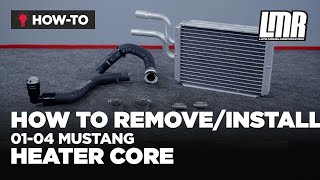
🎬 See this detailed Mustang heater core removal and installation tutorialCost Breakdown
The cost of the part is minor compared to the labor involved.
| Part/Service | Estimated Cost |
|---|---|
| New OEM (Ford/Motorcraft) | $75 - $120 (Part YR3Z-18476-BA is often discontinued, but equivalent Motorcraft parts may be available) |
| New Aftermarket | $40 - $85 |
| Used OEM | $25 - $75 |
| Shop Labor Cost | $800 - $1,500+ |
| Total Professional Replacement | $1,065 - $1,629 |
Frequently Asked Questions (FAQ)
Can I bypass the heater core instead of replacing it?
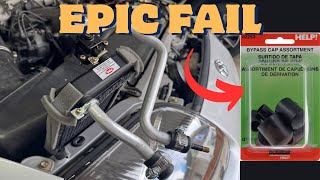
Yes, you can temporarily bypass a leaking heater core. This involves disconnecting the two heater hoses at the firewall and connecting them together with a connector. This will stop the leak into your cabin but will also leave you with no heat or defrost capabilities, which can be a safety issue in cold or wet weather.
Why do aftermarket heater cores seem to fail so often?
Forum discussions suggest that some aftermarket cores may use lower-quality materials or manufacturing processes, making them more susceptible to failure from pressure spikes, vibration, or corrosion. Ford's TSB on the matter also points to issues like electrolysis and improper coolant as causes for repeat failures, which will affect any core, regardless of brand.
Do I need to flush my cooling system when replacing the heater core?
It is highly recommended. Old, contaminated coolant can contribute to clogging and corrosion that may have caused the original core to fail. Replacing the coolant ensures the new core is starting with a clean, protective fluid, maximizing its lifespan. It's also a good time to replace the heater hoses if they are old or brittle.
Is there a recall on the 2001-2004 Mustang for the heater core?
No, there are no safety recalls specifically for the heater core on these models. The most relevant document is a Technical Service Bulletin (TSB 06-21-19) which discusses causes of repeated heater core failure.
Helpful Videos
Technical Specifications
OEM Part Numbers: YR3Z-18476-BA H2MZ18476G YR3H18476BA YR3HBA YR3Z18476BA HC-62
Material: Aluminum. Inlet Diameter: 9/16 Inch. Outlet Diameter: 3/4 Inch.

The information in this article is provided for general reference and educational purposes only. Vehicle specifications, procedures, and part compatibility can vary by production date, trim level, and region. Always consult your vehicle's factory service manual and verify part numbers before purchasing or performing repairs. Safety-critical components such as airbags, seat belts, and braking systems should be installed by a qualified professional.
- Ford Mustang:
- 🎬 Helpful Videos
- Symptoms of a Failing 2001-2004 Mustang Heater Core
- 1. Sweet Smell Inside the Cabin
- 2. Foggy or Greasy Film on Interior Windows
- 3. Damp or Wet Passenger-Side Floor
- 4. No Heat or Poor Heat Output
- 5. Unexplained Coolant Loss
- Known Issues, TSBs, and Recalls
- Buying a Used 2001-2004 Mustang Heater Core
- Inspection Checklist:
- Replacement Information
- Cost Breakdown
- Frequently Asked Questions (FAQ)
- 🎟️ Get 5% Off