

2017 Challenger & 300 Heater Control Module: Programming, Problems, and Replacement
This guide covers the common failures, part numbers, and critical programming requirements for the A/C and heater control module in the 2017 Dodge Challenger and Chrysler 300.
- Programming is mandatory. A replacement module must be programmed to your car's VIN by a dealer or a properly equipped shop.
- Part numbers must be matched exactly. Use the number from your original part to ensure compatibility.
- Symptoms can be similar to a failed blend door actuator, which is a more common problem. Listen for clicking noises from the dash.
- A faulty module is a safety concern as it can prevent you from defrosting the windshield.
Symptoms of a Failing Heater Control Module

A problem with the heater control module can show up in several ways, often making your drive uncomfortable or even unsafe if you can't clear your windshield. Since the module controls the entire HVAC system, a failure can affect any or all climate functions. Before assuming the module is bad, it's wise to first check the simple things, like the HVAC-related fuses in the fuse box.
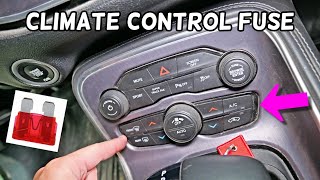
🎬 Watch: How to find and replace the Challenger heater control fuse- Incorrect Temperature Output: The system blows hot air when you want cold, or cold air when you want heat. It may be stuck at one temperature regardless of your settings.
- Wrong Air Distribution: You select the dashboard vents, but the air only comes out of the floor or defrost vents. The system is stuck in one mode.
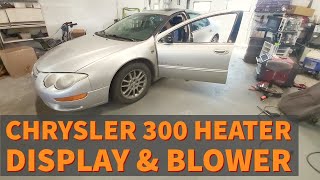
- Unresponsive Controls or Blank Display: The buttons or knobs on the control panel do not respond, or the digital display (if equipped) is blank, scrambled, or doesn't light up. 🎬 See this Chrysler 300 heater control display and blower repair
- Blower Fan Issues: The fan may not turn on at all, may be stuck on one speed (often high), or may run continuously even when the car is off.
- A/C Compressor Won't Engage: You press the A/C button, but the compressor clutch never clicks on, and you get no cold air.
- Intermittent Operation: The climate control works perfectly one minute and stops the next, indicating a potential internal electronic fault in the module.
Associated OBD-II Codes
A professional scan tool that can communicate with the HVAC or Body Control Module (BCM) is needed to read these codes. A standard engine code reader may not see them. The most definitive code is U0164: Lost Communication with HVAC Control Module, which points directly to a module that is offline or has failed. Other codes may relate to specific circuits or sensors the module controls, such as those for blend door actuators or temperature sensors.
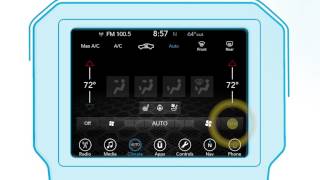
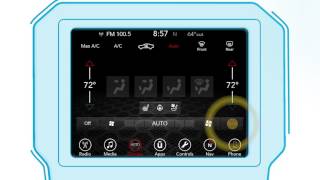
Known Issues for 2017 Dodge Challenger & Chrysler 300 🎬 Watch: How to use the Challenger automatic climate controls

For the 2017 model year, there are no major recalls or widespread, documented factory defects specifically for the heater control module on the Dodge Challenger or Chrysler 300. Most issues are isolated failures of the electronic components. However, problems with blend door actuators are very common on these vehicles and can produce symptoms (like incorrect temperature) that are easily mistaken for a bad control module. A clicking or knocking sound from behind the dashboard is a tell-tale sign of a failing blend door actuator, not the module itself.
Warning: A failed heater control module can be a safety issue. Without the ability to defrost your windshield, visibility can be severely compromised in cold or humid weather, increasing the risk of an accident.
Programming: The Most Critical Step

This is the single most important thing to know about replacing this part: A replacement Heater Control Module MUST be programmed to your vehicle's VIN. You cannot simply swap the part and expect it to work. The module is part of the car's computer network (CAN bus) and needs to be configured to match the specific options and features of your car.
This programming, often called a "Proxy Alignment," synchronizes the new module with the Body Control Module (BCM) and other computers in the vehicle. Without this step, you will likely experience:
- A flashing odometer, indicating a proxy configuration mismatch.
- Non-functional or erratic HVAC operation.
- Diagnostic trouble codes being set.
Who Can Program the Module?
Programming requires specific diagnostic equipment. Your options are:
- Chrysler/Dodge/Jeep/Ram Dealer: They have the factory wiTECH diagnostic tool and can perform the programming without issue.
- Independent Repair Shop: A well-equipped independent shop that services FCA (Fiat Chrysler Automobiles) vehicles will often have an OEM-level scan tool or a J2534 pass-thru device capable of performing the proxy alignment.
- Advanced DIY: Some advanced DIY mechanics with tools like AlfaOBD or a J2534 device and a TechAuthority subscription may be able to perform the programming, but this is not a typical DIY job.
Pro Tip: You can physically install the replacement module yourself to save on labor costs, and then drive the vehicle to a dealer or shop for the final programming step. The HVAC system will not work correctly until it is programmed.
Buying a Used Heater Control Module: What to Look For
Buying a used OEM module is a great way to save money, as aftermarket options are limited and may not integrate as well with the vehicle's systems. Here’s what to check:
- Match the Part Number EXACTLY: The most critical step. Check the number on your original module and match it to the replacement. Part numbers like 68297707AB, 68297707AC, 68334969AA, and 68334969AC are known for these vehicles. The last two letters indicate revisions; a newer revision (like AC) can typically replace an older one (like AB), but it's always safest to match perfectly or confirm with a dealer.
- Physical Inspection: Examine the used part for any signs of damage. Look for cracks in the plastic housing, bent or corroded connector pins, and any evidence of water intrusion or heat damage on the circuit board if visible.
- Have a Programming Plan: Before you buy, call a local dealer or independent shop to confirm they are willing to program a customer-supplied used part and ask for a quote. Some shops may refuse.
- Reputable Seller: Purchase from a seller who offers a warranty and has good reviews. This gives you recourse if you receive a dead-on-arrival part.
Cost Comparison
| Part Type | Estimated Cost |
|---|---|
| New OEM | $150 - $235 |
| Used OEM | $75 - $125 |
| New Aftermarket | Not commonly available |
| Shop Labor (Installation) | $122 - $179 |
| Shop Labor (Programming) | $100 - $200 (Typically 1 hour of labor) |
Frequently Asked Questions (FAQ)
Does the heater control module from a 2017 Dodge Challenger fit a 2017 Chrysler 300?
Yes, if the OEM part number is an exact match. These vehicles are built on the same platform and share many components, including this module. Always verify the part number on your original unit before purchasing a replacement.
Do I really have to program a replacement module?
Yes, programming is mandatory. The module is tied to your vehicle's specific configuration. Without programming (a "Proxy Alignment"), it will not function correctly, and you will likely have a flashing odometer and persistent error codes.
My A/C is stuck blowing hot air. Is it the control module?
It could be, but it's more likely a failed blend door actuator, which is a very common issue on these cars. If you hear a clicking or tapping noise from behind the dash when you start the car or change the temperature, the problem is almost certainly the actuator, not the module.
Can I replace the module myself?
The physical replacement is a DIY-feasible job for someone comfortable with removing interior trim panels. The module is located in the center stack of the dashboard, behind the main control panel/radio. However, the final programming step will require a trip to a dealer or properly equipped independent shop.
Helpful Videos
Technical Specifications
OEM Part Numbers: 68297707AB 68297707AC 68334969AA 68334969AC
Communicates on the vehicle's CAN bus network. Requires programming (Proxy Alignment) via an OEM-level scan tool like wiTECH.
We Have This Part in Stock



The information in this article is provided for general reference and educational purposes only. Vehicle specifications, procedures, and part compatibility can vary by production date, trim level, and region. Always consult your vehicle's factory service manual and verify part numbers before purchasing or performing repairs. Safety-critical components such as airbags, seat belts, and braking systems should be installed by a qualified professional.
- Dodge Challenger:
- Chrysler 300:
- 🎬 Helpful Videos
- 🛍️ Shop This Part
- Symptoms of a Failing Heater Control Module
- Associated OBD-II Codes
- Known Issues for 2017 Dodge Challenger & Chrysler 300
- Programming: The Most Critical Step
- Who Can Program the Module?
- Buying a Used Heater Control Module: What to Look For
- Cost Comparison
- Frequently Asked Questions (FAQ)
- 🎟️ Get 5% Off