

2004-2006 Volkswagen Phaeton Headlight: A Guide to the Complex Bi-Xenon AFS System
This in-depth guide covers the common failures, costs, and critical inspection points for the 2004-2006 VW Phaeton's sophisticated Bi-Xenon adaptive headlight assemblies.
- The most common and serious failure is water entering the assembly, which destroys the AFS control module on the bottom.
- When buying a used unit, inspecting for signs of past moisture and corrosion on the AFS module is more important than lens clarity.
- Replacement of the full assembly requires removing the front bumper cover and is a complex, time-consuming job.
- After installation, the headlights must be aimed using the car's 'maintenance mode' and the AFS system may require calibration with a diagnostic tool.
Symptoms of a Failing Headlight Assembly
Because the Phaeton's headlight is a complex system, a failure can present in several ways. It's important to distinguish between a simple bulb failure and a more serious issue with the assembly's electronics or seals.
- "AFS Failure" or Adaptive Headlight Warning on Dash: This is one of the most common faults. It can be triggered by a simple burnt-out cornering bulb (an H7 bulb in the assembly), but often points to a failure in the AFS control module mounted to the bottom of the headlight, frequently caused by water damage.
- Headlight is Dim, Flickering, or Not Working: This can be a sign of an aging D1S Xenon bulb, but it more commonly indicates a failing ballast (the power supply for the bulb) or igniter. If swapping a known-good bulb doesn't fix the issue, the ballast is the next component to check.
- Moisture or Condensation Inside the Lens: While minor fogging that clears up after the lights have been on is considered normal, seeing water droplets or pooling water is a major problem. This indicates the headlight's seal has failed, which will quickly lead to corrosion and failure of the internal electronics, including the expensive AFS module.
- Headlights Pointing Down and Not Moving: If the lights default to the lowest position and no longer swivel when turning, the AFS system has failed. This could be the module, the leveling sensors on the suspension, or the motors inside the headlight itself.
- Yellow, Hazy, or Cracked Lens: The outer polycarbonate lens can degrade over time due to UV exposure, reducing light output and making the vehicle look aged. This is primarily a cosmetic and light performance issue, but deep cracks can allow moisture to enter.
Warning: An "AFS Failure" message on the dashboard will disable the adaptive cornering and auto-leveling features. The headlights may default to a low, "safe" position, significantly reducing nighttime visibility.
Known Issues, TSBs, and Recalls
Moisture Ingress and AFS Module Failure
The most significant known issue with these headlights is their susceptibility to moisture. The headlight assemblies are vented, but over time, the main housing seal can degrade. When this happens, water enters and pools at the bottom of the assembly. This is precisely where the AFS control module is located. Water intrusion corrodes the module's circuit board and connector pins, leading to an AFS failure warning. Any used headlight should be carefully inspected for signs of past water intrusion, such as a stained or corroded AFS module connector.
Volkswagen Technical Service Bulletin (TSB) on Condensation
Volkswagen has issued technical bulletins for its vehicles explaining that minor condensation inside modern, clear headlight lenses can be normal due to atmospheric conditions and the vented design. The bulletin states that this type of fogging should clear after running the headlights for about 30 minutes. However, if large water droplets form or water collects at the bottom of the housing, it is not normal and indicates a leak that needs to be addressed by checking seals and rear access covers.
Recalls
There are no specific NHTSA recalls for the 2004-2006 Volkswagen Phaeton headlight assemblies. While other VW models have had recalls for headlight aim, these do not apply to the Phaeton of this generation.
Buying a Used Headlight Assembly: A Buyer's Guide
Due to the high cost and rarity of new OEM units, a used headlight is the most practical option for most owners. However, the complexity of this part makes careful inspection critical. Cheap aftermarket assemblies are not available for the Phaeton, making a quality used OEM part the best choice.
What to Inspect on a Used Unit:
- Check the AFS Module and Connector: This is the most important check. The AFS module is the small metal box on the bottom of the headlight. Ask the seller for clear photos of the module and its electrical connector. Look for any signs of white or green corrosion, rust, or water stains. A clean connector is a good sign. If it's corroded, assume the module is bad.
- Look for Internal Water Lines: Inspect the inside of the lens and the chrome reflector for faint "water lines" or a hazy film. This indicates the headlight has had standing water in it before, even if it's dry now. Avoid these units.
- Inspect the Lens Condition: Check for deep scratches, crazing (a network of fine cracks), and yellowing. Minor hazing can often be polished out, but deep damage cannot.
- Verify All Mounting Tabs are Intact: The plastic mounting tabs are critical for proper alignment and can easily break during removal. Ensure all tabs are present and free of cracks or previous repairs.
- Match Part Numbers Exactly: The primary part numbers are 3D1941015/3D1941016 for the left/right side. The suffix (like 'C' or 'AQ') indicates a revision. While they may be interchangeable, it is always safest to match the full part number from your original unit to ensure compatibility of all features.
Pro Tip: When buying a used assembly, consider it a housing with internal motors. The external components like the D1S bulb, ballast, and AFS module may or may not be functional. Budget for the possibility of having to transfer your old, known-good components or purchase new ones.
Replacement and Calibration
Replacing the headlight assembly on a Phaeton is a complex job not recommended for beginners.
- Bumper Removal: The front bumper cover must be removed to access the headlight mounting bolts. This involves removing screws in the grille, wheel wells, and under the vehicle. This process alone can take over an hour.
- Component Swapping: Unless the used assembly came with tested and working components, you will need to transfer the ballast, AFS module, and HID bulb from your old unit to the new one. Be careful not to touch the glass of the HID bulb with your bare hands.
- Headlight Aiming and AFS Calibration: After installation, the headlights must be aimed. The Phaeton has a special "maintenance mode" for headlights that must be activated through the vehicle's infotainment screen before physical adjustments can be made with the screws on the assembly. After aiming, the AFS system may need to be re-calibrated using a compatible diagnostic tool (like VCDS/VAG-COM) to ensure the auto-leveling and cornering functions work correctly.
Cost Breakdown
Costs for this part can vary significantly based on the condition and source.
| Part Type | Estimated Cost |
|---|---|
| New OEM Assembly | $2,000+ (if available, extremely rare) |
| New Aftermarket Assembly | Not Available |
| Used OEM Assembly | $150 - $600 (depending on condition and included components) |
| Shop Labor for Replacement | $250 - $450 (estimated 2-3 hours for bumper removal and installation) |
Frequently Asked Questions (FAQ)
Can I install a cheaper halogen headlight instead?
No. The 2004-2006 Phaeton was only equipped with Bi-Xenon HID headlights from the factory. The vehicle's wiring and control modules are not designed for halogen bulbs, and no such parts exist for this model.
Does the AFS system need to be calibrated after replacement?
Yes. After replacing a headlight assembly or AFS module, a basic settings procedure or calibration should be performed with a VW-specific diagnostic tool. This ensures the system knows the correct "home" position for the leveling and swiveling motors.
Can I just replace the D1S bulb without removing the bumper?
It is physically possible but extremely difficult. Access to the rear of the headlight is very limited, and it involves working blind with clips and covers in a tight space. Most mechanics and the official factory procedure call for bumper removal to properly service the headlight assembly.
My AFS light is on. Do I need a whole new headlight?
Not necessarily. First, check the static cornering light (an H7 bulb) as this is a common and cheap fix. If that's not the issue, the problem is likely the AFS control module on the bottom of the headlight, which can be replaced separately. However, you must remove the bumper and headlight to access it.
Technical Specifications
OEM Part Numbers: 3D1941016AQ 3D1941016C 3D1941018AQ 3D1941018C 3D1941015C 3D1941015H
Headlight Type: Bi-Xenon (HID) with Adaptive Front-lighting System (AFS). Main Bulb Type: D1S. Cornering Light Bulb Type: H7.
We Have This Part in Stock
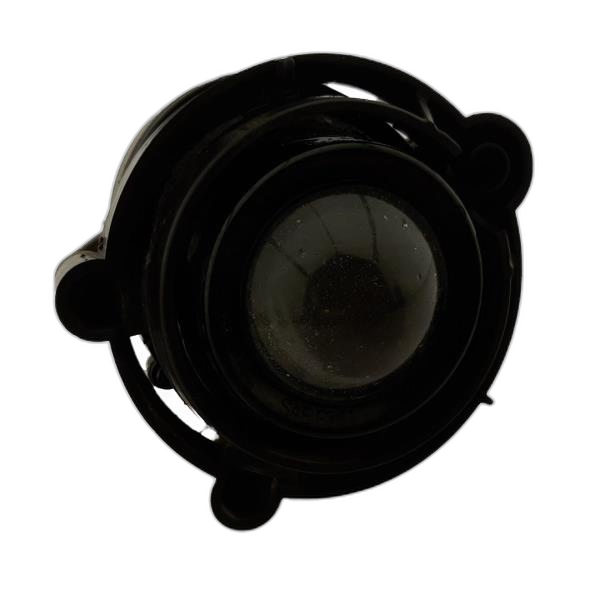

The information in this article is provided for general reference and educational purposes only. Vehicle specifications, procedures, and part compatibility can vary by production date, trim level, and region. Always consult your vehicle's factory service manual and verify part numbers before purchasing or performing repairs. Safety-critical components such as airbags, seat belts, and braking systems should be installed by a qualified professional.
- Volkswagen Phaeton:
- 🛍️ Shop This Part
- Symptoms of a Failing Headlight Assembly
- Known Issues, TSBs, and Recalls
- Moisture Ingress and AFS Module Failure
- Volkswagen Technical Service Bulletin (TSB) on Condensation
- Recalls
- Buying a Used Headlight Assembly: A Buyer's Guide
- What to Inspect on a Used Unit:
- Replacement and Calibration
- Cost Breakdown
- Frequently Asked Questions (FAQ)
- 🎟️ Get 5% Off