

1996-1997 Thunderbird & Cougar Headlight Guide: Haze, Fitment, and Replacement
Your complete guide to diagnosing, replacing, and buying a used headlight assembly for the 1996-1997 Ford Thunderbird and Mercury Cougar.
- Fitment is specific to 1996-1997 Ford Thunderbird and 1996-1997 Mercury Cougar ONLY. They do not fit the redesigned 1999-2000 Cougar.
- The most common failure is lens hazing/yellowing from UV damage, which is a safety issue that severely cuts down on light output.
- When buying used, prioritize a crystal-clear lens and intact mounting tabs above all else.
- These are simple halogen reflector headlights (9007 bulb) and do not require any special ballasts or modules. Aiming is required after replacement.
Compatibility Warning: 1996-1997 vs. 1999-2000 Models
Critical Fitment Information: This headlight assembly is only interchangeable between the 1996-1997 Ford Thunderbird and the 1996-1997 Mercury Cougar. These models were built on the same Ford MN12 platform. The Mercury Cougar was redesigned for the 1999 model year onto a new platform and uses a completely different, incompatible headlight assembly. Do not attempt to fit a 1996-1997 headlight onto a 1999-2000 Cougar, or vice-versa.
Symptoms of a Failing Headlight Assembly
Failure of a headlight assembly is rarely sudden. It's usually a gradual process of degradation that can compromise your safety. Here are the most common symptoms to watch for:
- Dim or Yellowed Light Output: This is the most common failure. The plastic lens becomes hazy, cloudy, or yellowed from UV exposure and oxidation. This significantly reduces the amount of light that can pass through, making it difficult to see at night, even with new bulbs.
- Moisture or Condensation Inside: If you see water droplets, fog, or a persistent haze on the inside of the lens, the factory seal has failed. This moisture can cause corrosion on the bulb's electrical contacts and damage the reflective coating inside the housing.
- Flickering or Intermittent Operation: While often a sign of a failing bulb or a loose connection, moisture inside the assembly can cause the bulb socket to corrode, leading to a poor electrical connection and flickering lights.
- Cracked or Damaged Lens: Physical damage from road debris or minor impacts can crack the lens, allowing moisture and dirt to enter the housing immediately. A cracked lens is an automatic failure and requires replacement.
Known Issues, Recalls, and Technical Service Bulletins (TSBs)
For vehicles of this age, formal recalls or TSBs are rare, and none were found related to the headlight assemblies during research. The most prevalent known issue, widely discussed by owners, is the degradation of the polycarbonate lens. Exposure to sunlight and environmental pollutants causes the protective outer layer to break down, leading to oxidation that appears as a yellow or cloudy haze. This is a cosmetic issue that quickly becomes a safety hazard by reducing light output. There are no widespread reports of electrical failures or mounting point issues specific to these models beyond normal wear and tear.
Pro Tip: The 1999-2000 Mercury Cougar, which uses a different headlight, was known for a variety of electrical issues, some of which could affect lighting, but these problems are not related to the 1996-1997 models discussed here.
Buying a Used Headlight Assembly: What to Look For
A used OEM headlight is often a better choice than a cheap aftermarket unit, as it retains the original factory quality, fit, and beam pattern. However, you must inspect a used part carefully.
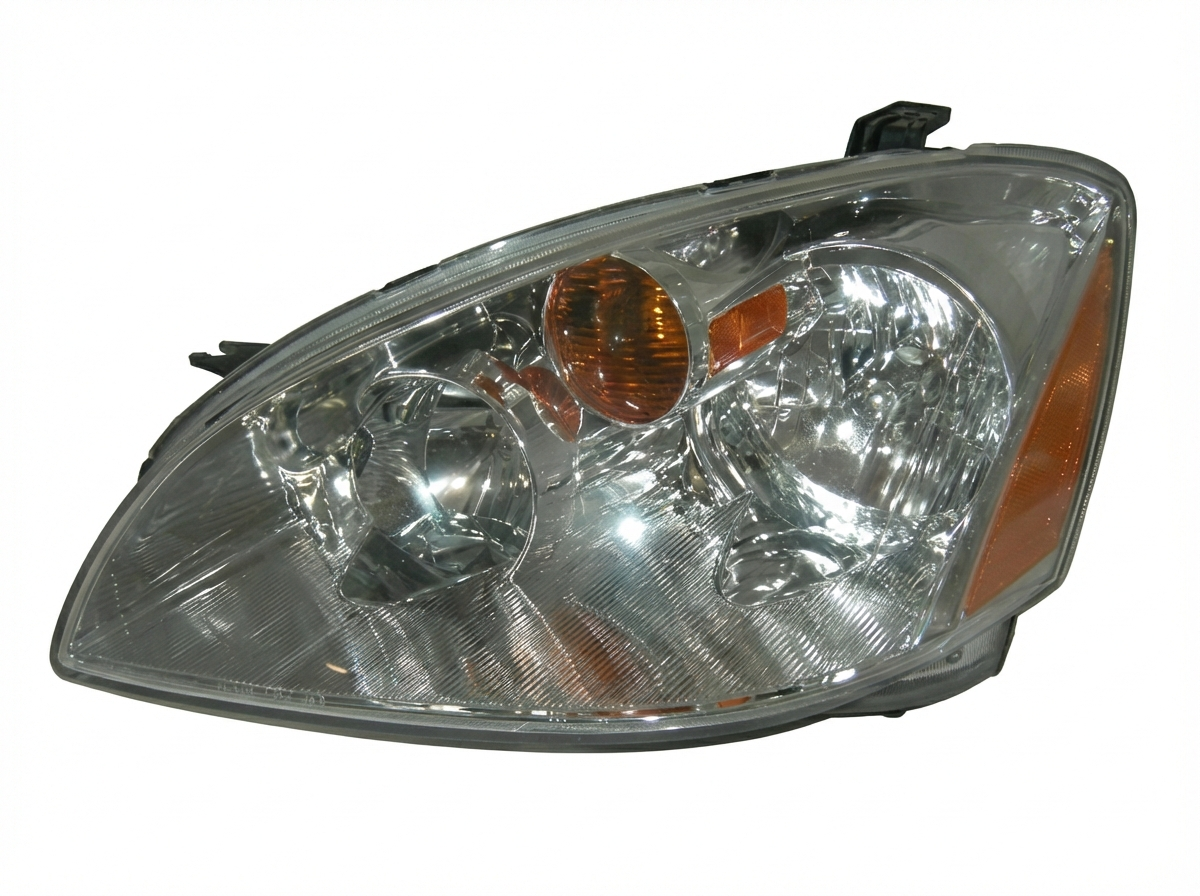
- Lens Clarity: This is the most important factor. Look for a lens that is crystal clear with no signs of yellowing, hazing, or cloudiness. Minor surface scratches are acceptable, but widespread haze means it will perform as poorly as your old one.
- Mounting Tabs and Clips: Inspect all mounting points. These assemblies are held in by three retainers. Ensure the plastic mounting tabs on the housing itself are not cracked or broken. A broken tab will cause the headlight to vibrate or sit improperly.
- Seals and Housing Integrity: Check the seam where the lens is bonded to the rear housing. Look for any signs that it has been pried apart or resealed. Check the housing for any cracks or holes.
- Internal Condition: Look inside the housing for any signs of past moisture intrusion, like water stains, a discolored reflector, or rust on any metal components. Avoid any assembly that shows signs of having had water inside.
Headlight Technology: Halogen Reflectors
The 1996-1997 Thunderbird and Cougar use a standard Halogen Reflector headlight system.
- How it Works: A single halogen bulb (type 9007) with two filaments sits inside a chrome-plated reflector bowl. One filament lights up for the low beam, and the other, positioned differently, lights up for the high beam. The shape of the reflector gathers the light and directs it onto the road.
- No Extra Modules: This is a simple, reliable system. It does NOT use HID/Xenon bulbs, ballasts, igniters, or LED driver modules. Upgrading to LED or HID bulbs requires a conversion kit and may not be legal for on-road use.
Replacement Overview and Alignment
Replacing the headlight assembly is a straightforward task for a DIY mechanic.
- Access the Retainers: Open the hood. The headlight assembly is held in place by three long metal clips that secure it to the radiator support.
- Remove the Clips: These clips can be tricky. They must be pried upward from the rear of the panel. Using snap-ring pliers, a hook tool, or two flathead screwdrivers can help spread the retainers to release them. Some owners find it easier to cut the old clips and replace them with new ones.
- Remove the Assembly: Once the clips are out, the assembly can be pulled forward. Disconnect the main electrical connector and remove the assembly from the vehicle.
- Installation: Installation is the reverse of removal. Be careful not to touch the glass of the new halogen bulb with your bare hands, as oils from your skin can cause it to fail prematurely.
Headlight Aiming (Required After Replacement)
After installing a new assembly, you MUST aim it correctly to ensure proper visibility and avoid blinding other drivers.
- Park the car on a level surface about 25 feet away from a flat wall or garage door.
- Measure the height from the ground to the center of your headlight bulb. Mark a horizontal line on the wall at this same height.
- Turn on the low beams. The top of the brightest part of the beam pattern should be just below the horizontal line you marked.
- Locate the vertical adjustment screw on the top or back of the headlight assembly and use a Phillips screwdriver to turn it, raising or lowering the beam as needed.
Restoration vs. Replacement
If your headlight housing is intact but the lens is foggy, you have two options: restoration or replacement.
- Restoration: This involves using a multi-step sanding and polishing kit to remove the oxidized layer of plastic from the lens surface. It is much cheaper than replacement and can be very effective for light to moderate hazing. However, the results may only last 1-2 years before the hazing returns.
- Replacement: This is the only solution for cracked housings, internal moisture damage, or severe, deep oxidation. While more expensive, a new or quality used assembly is a permanent fix.
Cost Comparison
| Part Type | Estimated Cost (per side) |
|---|---|
| New OEM | $1,100+ (if available) |
| New Aftermarket | $70 - $150 |
| Used OEM | $50 - $120 |
| Shop Labor | $75 - $150 |
Frequently Asked Questions (FAQ)
What bulb does the 1996-1997 Thunderbird/Cougar headlight use?
These vehicles use a single 9007-type bulb for both the high and low beams. The 1999-2000 Cougar uses separate 9005 (high beam) and 9006 (low beam) bulbs.
Can I just replace the foggy plastic lens?
No, the lens is permanently bonded to the headlight housing from the factory. To replace the lens, the entire assembly must be replaced. While some enthusiasts attempt to cut them open to perform custom work, it is a difficult process that can compromise the weather seal.
Are the left and right side headlights the same?
No, headlight assemblies are side-specific. You must order the correct part for the driver side (left) or passenger side (right).
Is a cheap aftermarket headlight a good deal?
While tempting, very cheap aftermarket headlights often use lower-quality plastics that can yellow faster than the original parts. They may also have poor beam patterns that don't illuminate the road effectively and can have fitment issues. A good-condition used OEM part is often a safer bet for quality and longevity.
Technical Specifications
OEM Part Numbers: F6SZ-13008-B F6SZ-13008-BJ F6SZ13008AJ F6SZ13008B
Bulb Type: 9007 (Dual Filament Halogen for High/Low Beam)
We Have This Part in Stock



The information in this article is provided for general reference and educational purposes only. Vehicle specifications, procedures, and part compatibility can vary by production date, trim level, and region. Always consult your vehicle's factory service manual and verify part numbers before purchasing or performing repairs. Safety-critical components such as airbags, seat belts, and braking systems should be installed by a qualified professional.
- Mercury Cougar:
- Ford Thunderbird:
- 🛍️ Shop This Part
- Compatibility Warning: 1996-1997 vs. 1999-2000 Models
- Symptoms of a Failing Headlight Assembly
- Known Issues, Recalls, and Technical Service Bulletins (TSBs)
- Buying a Used Headlight Assembly: What to Look For
- Headlight Technology: Halogen Reflectors
- Replacement Overview and Alignment
- Headlight Aiming (Required After Replacement)
- Restoration vs. Replacement
- Cost Comparison
- Frequently Asked Questions (FAQ)
- 🎟️ Get 5% Off