

Audi Headlight Guide (2005-2017): Fixing DRL, Ballast & Adaptive Light Faults
This guide covers common headlight problems, technology differences, and replacement tips for Audi A4, A5, A6, Q5, and related models from the C6 and B8 platforms.
- Headlight types (Halogen, Xenon, LED, Adaptive) are not interchangeable without major wiring and coding modifications.
- Flickering is usually caused by a failing HID ballast, not the bulb. Swap bulbs side-to-side to confirm the diagnosis.
- Persistent moisture inside the housing is a serious issue that can destroy expensive electronic modules and requires resealing or replacement.
- If your vehicle has adaptive headlights, they MUST be calibrated with a diagnostic tool after replacement to function correctly and avoid error codes.
Understanding Headlight Variations Across Audi Platforms

The vehicles covered in this guide span several Audi platforms and generations, leading to significant differences in headlight technology. It is critical to identify the correct type for your specific vehicle, as they are not interchangeable without extensive modifications.
Platform & Generation Breakdown:
- Audi A6 C6 Platform (2005-2011 A6/S6, 2008-2010 RS6): These models typically came with either standard Halogen headlights or optional Bi-Xenon (HID) headlights. Higher-trim models featured Adaptive Bi-Xenon lights that swivel with steering input.
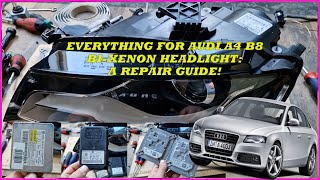
- Audi B8 Platform (2009-2012 A4/S4, 2008-2012 A5/S5, 2009-2017 Q5): This generation is well-known for its signature LED Daytime Running Light (DRL) strips. 🎬 Watch: This ultimate headlight repair guide for B8 and B8.5 models. Headlight options included base Halogen (less common in the US), Bi-Xenon with LED DRLs, and Adaptive Bi-Xenon versions.
- Audi A6 C7 Platform (2012-2015 A6): The later A6 models covered here introduced full LED headlight options, a step up from the Xenon systems.
- Audi B8.5 Platform (2013-2016 allroad, 2013-2017 Q5): This mid-cycle refresh brought updated headlight designs, but the underlying Bi-Xenon and LED technologies remained similar to the B8 platform.
Warning: Upgrading from Halogen to Xenon or LED headlights is not a simple plug-and-play process. It requires different wiring harnesses, control modules, and vehicle coding to function correctly. Attempting to swap types without the proper components can lead to error codes, flickering, or complete failure.
Common Symptoms of Headlight Failure


Diagnosing a headlight issue on these Audis often involves more than just checking the bulb. The complex electronics can produce a range of symptoms.
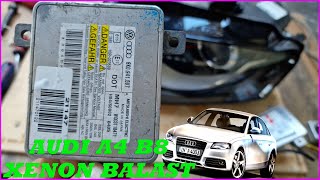
- Flickering or Intermittent Operation: This is a classic sign of a failing HID ballast or a loose connection. The ballast is responsible for providing the high voltage needed to ignite the xenon gas in the bulb. 🎬 See how to check and replace a faulty xenon headlight ballast.
- "Dipped Headlight" or "Headlight Malfunction" Warning on Dash: This generic error can point to a bad bulb, a failing ballast, or an issue with the adaptive lighting motor or sensor.
- LED DRL Strip Failure: One or both of the iconic LED daytime running light strips may dim or fail completely. This is often caused by a faulty LED control module attached to the headlight assembly.
- Headlight Color Change: An HID bulb nearing the end of its life may shift in color, often turning pink or purple.
- Moisture or Condensation Inside Lens: While minor fogging can be normal in certain weather conditions, persistent moisture or water droplets indicate a bad seal on the headlight housing. This moisture can short out electronic components like ballasts and control modules.
- "Adaptive Headlight Defective" Warning: This error message points to a problem with the AFS system. Common causes include a failed adjustment motor inside the housing, faulty wiring, or a bad self-leveling sensor located on the vehicle's suspension control arms.
- Headlights Aimed Too Low: If the auto-leveling system fails, the headlights often default to the lowest position as a safety measure. This can be caused by a faulty leveling sensor or a loss of calibration.
Buying a Used Headlight Assembly: What to Inspect

Purchasing a used OEM headlight is often a cost-effective solution, but careful inspection is crucial to avoid buying someone else's problem. Used OEM units are generally preferable to cheap aftermarket alternatives due to better fitment, superior optical quality, and durability.
- Verify the Part Number: Match the part number on the used assembly with your original one. There are many variations for Halogen, Xenon, Adaptive, and non-Adaptive lights. A mismatched part will not work correctly.
- Inspect All Mounting Tabs: The plastic mounting tabs are fragile and often break during vehicle disassembly. Ensure all tabs are intact and free of cracks or previous repairs. A headlight with broken tabs will vibrate and cannot be aimed correctly.
- Check the Lens Condition: Look for deep scratches, rock chips, and signs of UV damage (yellowing or hazing). While minor hazing can be polished, a heavily damaged lens will reduce light output.
- Look for Signs of Moisture: Check for a "water line" or mineral deposits on the inside of the lens or chrome reflectors. This is a clear sign the housing seal has failed, and the internal electronics may have water damage.
- Confirm Included Components: Ask the seller if the assembly includes the HID ballast, igniter, LED control module, and all bulbs. These components can be expensive to purchase separately. A complete, tested assembly is ideal.
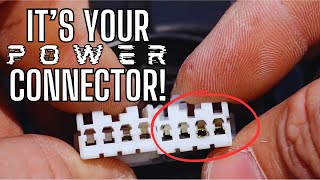
- Examine the Wiring and Connectors: Inspect the main connector plug for any signs of melted plastic or corrosion on the pins, which can indicate an electrical issue.
Headlight Technologies Explained
Halogen vs. Bi-Xenon (HID) vs. LED
These technologies are fundamentally different and determine the components used in the assembly.
- Halogen: The base-level option, using an incandescent filament bulb. These are the simplest and least expensive assemblies.
- Bi-Xenon (HID): Uses a single D3S HID bulb with a mechanical shutter to switch between low and high beams. These systems require a ballast to regulate power and an igniter to start the bulb. They produce a brighter, whiter light than halogen.
- LED: Uses light-emitting diodes for illumination. Found on later C7 A6 models, these offer a long life and excellent brightness but rely on specific LED driver modules. The entire assembly is often a sealed unit.
Pro Tip: When one HID bulb fails, it's recommended to replace them in pairs. HID bulbs change color and dim slightly over their lifespan, so replacing only one can result in mismatched headlight colors.
Replacement and Calibration Procedures
Replacing a headlight assembly on most of these Audi models is a moderately difficult job that typically requires removing the front bumper cover to access all the mounting bolts.
Key Steps and Considerations:
- Bumper Removal: Be prepared to remove the front bumper. This involves undoing screws in the wheel wells, under the engine, and clips near the grille.
- Transferring Components: If your replacement assembly did not come with them, you will need to carefully transfer your old HID ballast, control modules, and bulbs to the new housing.
- Aiming is Required: After installation, the headlights must be properly aimed to ensure correct light distribution and avoid blinding other drivers. This is done using adjustment screws on the back of the housing while the car is on a level surface facing a wall 25 feet away.
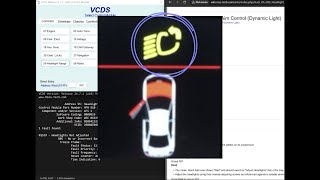
- Calibration for Adaptive Headlights: If your vehicle has Adaptive (AFS) or auto-leveling headlights, a calibration procedure is required after replacement. This tells the system the new "zero" position. This procedure must be initiated using a diagnostic scan tool like VCDS or ODIS. 🎬 Watch: How to perform a headlight calibration using VCDS. Failure to calibrate will result in an error message and improperly aimed lights.
Cost Breakdown
The cost to replace an Audi headlight assembly varies significantly based on the technology and source of the part.
| Part Type | Estimated Cost (Per Side) |
|---|---|
| New OEM (Dealer) | $1,000 - $3,000+ |
| New Aftermarket | $250 - $800 |
| Used OEM | $350 - $900 |
| Shop Labor | $250 - $500 (includes bumper R&R and aiming) |
Frequently Asked Questions (FAQ)
What is the "Adaptive Headlight Defective" warning?
This error indicates a fault in the system that swivels and levels your headlights. The most common causes are broken wiring inside the headlight housing, a failed adjustment motor, or a bad ride height sensor on the suspension. The system will disable itself and often default the lights to a low position.
My headlight flickers. Is it the bulb or the ballast?
Flickering is most often a sign of a failing HID ballast. The easiest way to diagnose this is to swap the bulbs between the left and right headlights. If the flicker moves with the bulb, the bulb is bad. If the flicker stays on the same side, the ballast or its wiring connection is the likely culprit.
Can I upgrade my Halogen headlights to Xenon or LED?
This is not a simple swap. Upgrading requires new headlight assemblies, ballasts or LED drivers, often a new wiring harness, and coding changes to the Central Electronics Control Module. Additionally, vehicles with factory Xenon lights have an auto-leveling system, which your halogen-equipped car will lack. It is a complex and expensive conversion.
Why is there condensation inside my headlight?
Audi considers minor fogging that clears up after driving with the lights on to be normal, as the headlights are vented. However, if you see large water droplets or the moisture never goes away, it means the housing's seal has failed. This can be caused by age or small cracks. The moisture must be removed, and the seal repaired to prevent damage to expensive electronic modules inside.
Helpful Videos
Technical Specifications
OEM Part Numbers: 8K0941043E 8W0941044B 8E0941003AL 8K0941044E 8K0941030BE 4G0941043E 4G0941043B 4F0941003 4F0941004 8K0941003C 8K0941004C 8K0941003Q 8K0941004Q
HID/Xenon models commonly use D3S type bulbs.

The information in this article is provided for general reference and educational purposes only. Vehicle specifications, procedures, and part compatibility can vary by production date, trim level, and region. Always consult your vehicle's factory service manual and verify part numbers before purchasing or performing repairs. Safety-critical components such as airbags, seat belts, and braking systems should be installed by a qualified professional.
- Audi A6:
- Audi A4:
- Audi A5:
- Audi A6 Quattro:
- Audi allroad:
- Audi Q5:
- Audi RS6:
- Audi S4:
- Audi S5:
- Audi S6:
- Audi SQ5:
- Volkswagen CC:
- 🎬 Helpful Videos
- Understanding Headlight Variations Across Audi Platforms
- Platform & Generation Breakdown:
- Common Symptoms of Headlight Failure
- Buying a Used Headlight Assembly: What to Inspect
- Headlight Technologies Explained
- Halogen vs. Bi-Xenon (HID) vs. LED
- Replacement and Calibration Procedures
- Key Steps and Considerations:
- Cost Breakdown
- Frequently Asked Questions (FAQ)
- 🎟️ Get 5% Off