

2025 Volkswagen Golf Headlamp Assembly: LED Systems, Replacement, and Calibration
A complete guide to the advanced LED and Adaptive headlights on the 2025 VW Golf, explaining the technology, replacement costs, and what to inspect on a used unit.
- The 2025 Golf uses two different, non-interchangeable headlight systems: a standard Performance LED and an optional IQ.LIGHT LED Matrix. Verify the correct type before buying.
- Replacement is complex, requiring the complete removal of the front bumper cover to access the mounting bolts.
- After installation, all headlight types on the 2025 Golf require electronic calibration with a diagnostic tool (like VCDS) for the adaptive lighting to work correctly and to clear dashboard errors.
- When buying a used unit, the most critical inspection points are the plastic mounting tabs and the main housing, as they are easily broken in a collision.
Understanding the 2025 Golf Headlight Systems

For the 2025 model year, which is a refresh of the Mk8 platform (often called the Mk8.5), Volkswagen has equipped all Golf GTI models with advanced LED lighting. There are two primary tiers of headlights, and they are NOT interchangeable due to differences in wiring, features, and vehicle programming.
Standard Performance LED Headlights
Found on lower trims like the GTI S, these are high-performance full LED units. They provide both low and high beam functions using powerful and efficient LEDs. For 2025, even the base models include a mechanical Adaptive Front-lighting System (AFS), which provides dynamic cornering light functions. These headlights are distinguished by their internal design and the features they support.
IQ.LIGHT LED Matrix Headlights
Available on higher trims like the SE and Autobahn, the IQ.LIGHT system is a more advanced projector-based LED setup. In addition to the features of the standard LEDs, these headlights often include an illuminated light bar across the grille that connects the two assemblies, along with an illuminated VW logo. The key upgrade is the more sophisticated adaptive functionality, which may include features like automatic high beam control (Light Assist) that can selectively dim parts of the beam to avoid dazzling other drivers. The Golf R variant also receives swiveling projector headlights as part of its IQ.LIGHT system.
Warning: The standard LED and IQ.LIGHT headlights are not plug-and-play compatible. Upgrading from the standard to the IQ.LIGHT system is a complex and expensive process that requires different control modules, wiring harnesses, and extensive vehicle coding.
Symptoms of Headlight Failure

As the 2025 Golf is a new model, widespread long-term failures are not yet documented. However, based on the technology used in the Mk8 platform, potential issues can be anticipated:
- Sections of the DRL Not Working: One or more LED elements in the daytime running light may fail, causing an incomplete or patchy look. Some owners of earlier Mk8 models have reported intermittent issues where a portion of the headlight goes out and then works again after restarting the car.
- Flickering Light Output: Intermittent flickering when the car is unlocked or while driving can point to a failing LED driver module or a software issue.
- Dashboard Warning Lights: The most common symptom will be an error message on the instrument cluster, such as "Headlight Error" or "Adaptive Front Lighting (AFS) Error." This indicates the vehicle's control module has detected a fault in the lighting system.
- Condensation or Moisture Inside the Lens: Minor fogging that appears and disappears with changes in temperature and humidity can be normal, as modern headlights are vented. However, if you see large water droplets, pooling water at the bottom of the housing, or persistent condensation that never clears, the headlight's main seal has failed, which can lead to electronic failure.
- Adaptive Functions Inoperative: For vehicles with AFS or IQ.LIGHT, a failure might manifest as the lights no longer turning with the steering wheel or the high beams not adapting correctly.
Recalls and Technical Service Bulletins (TSBs)
As of mid-2024, there are no specific NHTSA recalls or TSBs issued for the headlamp assemblies of the 2025 Volkswagen Golf. One recall (NHTSA ID: 25V638000) has been issued for the 2025 Golf GTI and Golf R concerning a seat belt retractor, but it is unrelated to the lighting system. Owners can always check for the latest recalls on the NHTSA website.
Buying a Used 2025 Golf Headlamp Assembly: A Detailed Guide

Since the 2025 model is new, any used headlamp will come from a very low-mileage vehicle, likely an insurance write-off. This makes inspecting for collision damage paramount.
1. Verify the Exact Part Number and Type
This is the most critical step. You must match the part number from your original headlight. A standard LED unit will not work in a car originally equipped with IQ.LIGHT, and vice-versa. The shape may be the same, but the connectors and internal electronics are different. Part numbers for the Mk8.5 may have a different suffix (e.g., ending in 'AA') compared to the earlier Mk8, indicating a revised part.
2. Inspect All Mounting Tabs and the Housing
The headlight assembly is held in place by several plastic mounting tabs. In any collision, these are the first things to break. Carefully inspect every tab. Even one broken tab can cause the headlight to vibrate, sit crooked, or have a gap against the bumper. Also, check the main black plastic housing for any cracks, which could compromise its structural integrity and lead to moisture intrusion.
3. Examine the Lens for Damage
Look for more than just surface scratches. Check for stress fractures, which look like small cracks originating from an impact point. While UV damage or hazing is unlikely on such a new part, it's still good practice to check for any discoloration. Some companies sell replacement lens covers, but this is a difficult repair that involves baking the headlight to separate it.
4. Understand What's Included
LED headlights use external control modules (sometimes called ballasts or drivers) to regulate power. These are expensive electronic components. Clarify with the seller if these modules are included. Often, used headlights are sold as bare housings, and you will need to transfer the modules from your old, damaged headlight. If your old modules were also damaged, you'll need to source them separately.
Pro Tip: Ask the seller for the VIN of the donor vehicle. This can help a dealership parts department confirm the exact type of headlight and its original features, ensuring you buy the correct one.
Replacement and Calibration Procedures

Bumper Removal is Required
Replacing a headlight on a 2025 Golf is not a simple task. The front bumper cover must be removed to access all the headlight mounting bolts. This is an involved process that requires care to avoid scratching paint or breaking clips. This complexity is a major contributor to the high labor cost for this job.
Aiming and Alignment
After installation, the headlights MUST be aimed. Improperly aimed headlights can blind oncoming drivers or fail to illuminate the road adequately. The basic procedure involves parking the car on a level surface about 25 feet from a flat wall and adjusting the beams to the correct height using the manual adjuster screws on the back of the assembly.
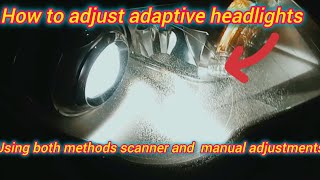
🎬 Watch: How to adjust adaptive headlights manually and with a scannerElectronic Calibration for Adaptive Systems
This is a critical step for all 2025 Golf models, as they all feature some form of adaptive lighting. After the headlight is installed and mechanically aimed, the system must be electronically calibrated using a compatible diagnostic tool like VCDS (VAG-COM) or the dealership's ODIS system. The process involves putting the headlight control module (Address 4B) into a basic settings mode, which allows it to learn the new 'zero' position of the light. Failure to perform this calibration will result in a persistent dashboard error and the adaptive cornering functions will not work.
| Part Type | Estimated Cost |
|---|---|
| New OEM | $1,200 - $2,500+ (Varies by trim/features) |
| New Aftermarket | $400 - $800 (Availability is limited for new models) |
| Used OEM | $450 - $900+ |
| Shop Labor | $250 - $500 (Includes bumper R&I and calibration) |
Note: Prices are estimates as of late 2024 and can vary significantly based on supplier, location, and the specific headlight features. A new OEM IQ.LIGHT Matrix assembly can be exceptionally expensive.
Frequently Asked Questions (FAQ)
Can I upgrade my standard LED headlights to the premium IQ.LIGHT version?
While physically possible, it is an extremely difficult and expensive conversion. It requires not only the new headlight assemblies but also different control modules, wiring harnesses, and potentially additional sensors for the advanced adaptive features. The vehicle's central electronics would also need to be professionally re-coded. For most owners, this is not a practical or cost-effective modification.
Why is there condensation inside my headlight? Is it broken?
A small amount of light fogging that appears during temperature or humidity swings is normal for modern vented headlights and should clear on its own. However, if you see large water droplets, streaks running down the inside of the lens, or water pooling at the bottom, the headlight's seal has failed. This is a defect that requires the assembly to be repaired or replaced to prevent damage to the sensitive electronics inside.
Does a replacement headlight need to be programmed?
Yes, it needs calibration. Because all 2025 Golf models have adaptive lighting, a replacement headlight must be electronically calibrated using a diagnostic tool after it's installed. This procedure tells the car the new headlight's base position so the cornering and leveling functions work correctly. Skipping this step will leave a warning light on your dash.
Is a used OEM headlight a better choice than a new aftermarket one?
For a vehicle with such complex lighting, a used OEM headlight is almost always the better option. It guarantees perfect fitment, correct electronic compatibility with the vehicle's systems, and the same light quality as the original. Aftermarket headlights for new models can be of questionable quality, may have different beam patterns, and can cause compatibility issues with the adaptive lighting control modules.
Helpful Videos
Technical Specifications
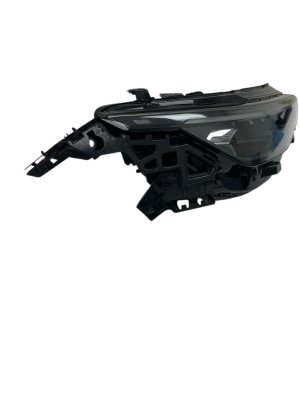
OEM Part Numbers: 5H2941059AA (Example for Mk8.5 Passenger Side, specific numbers will vary by trim and side) 5H0941059F (Example for Mk8 Matrix LED) 5H2941005C (Example for Mk8 LED)
Technology: Full LED Features: Standard Adaptive Front-lighting System (AFS), optional IQ.LIGHT Matrix beam, integrated LED Daytime Running Lights (DRLs)
We Have This Part in Stock

The information in this article is provided for general reference and educational purposes only. Vehicle specifications, procedures, and part compatibility can vary by production date, trim level, and region. Always consult your vehicle's factory service manual and verify part numbers before purchasing or performing repairs. Safety-critical components such as airbags, seat belts, and braking systems should be installed by a qualified professional.
- Volkswagen Golf:
- 🎬 Helpful Videos
- 🛍️ Shop This Part
- Understanding the 2025 Golf Headlight Systems
- Standard Performance LED Headlights
- IQ.LIGHT LED Matrix Headlights
- Symptoms of Headlight Failure
- Recalls and Technical Service Bulletins (TSBs)
- Buying a Used 2025 Golf Headlamp Assembly: A Detailed Guide
- 1. Verify the Exact Part Number and Type
- 2. Inspect All Mounting Tabs and the Housing
- 3. Examine the Lens for Damage
- 4. Understand What's Included
- Replacement and Calibration Procedures
- Bumper Removal is Required
- Aiming and Alignment
- Electronic Calibration for Adaptive Systems
- Frequently Asked Questions (FAQ)
- 🎟️ Get 5% Off