

1982-1986 Toyota Supra Grille: Identifying Pre- and Post-Facelift Versions
This guide covers the critical differences between the early (1982-1983) and late (1984-1986) MK2 Supra grilles and how to inspect a used one.
- A 1986 Supra could be an MK2 or MK3; this grille only fits the MK2 Celica Supra.
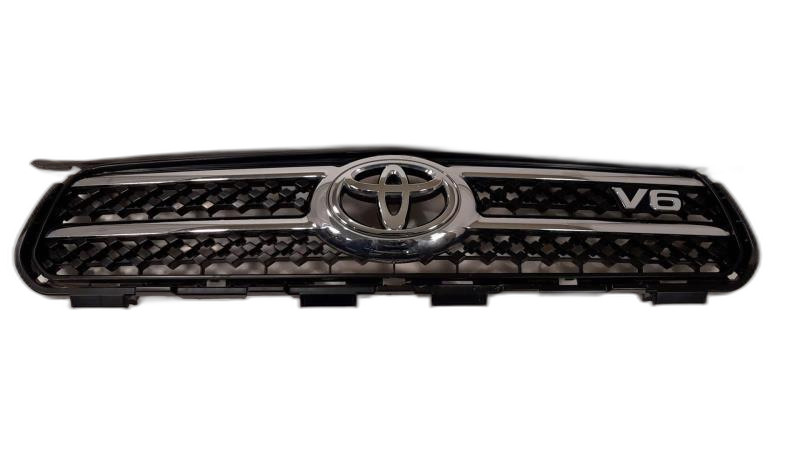
- There are two styles: a horizontal bar design for 1982-1983 and a honeycomb design for the facelifted 1984-1986 models.
- When buying used, the integrity of the mounting tabs is the most critical inspection point.
- New OEM parts are discontinued, and no direct-fit aftermarket reproductions exist, making used OEM the primary option.
Critical Compatibility Warning: The 1986 Model Year Split
Warning: Toyota produced and sold both the second-generation (A60, or MK2) and the new third-generation (A70, or MK3) Supra during the 1986 model year. This grille ONLY fits the second-generation 1986 Celica Supra (chassis code MA61). It will NOT fit the third-generation 1986 Supra (chassis code MA70), which has a completely different front-end design. Before purchasing, verify you have the A60 Celica Supra, which is characterized by its more angular body and pop-up headlights shared with the Celica platform.
Pre-Facelift vs. Post-Facelift Grilles (1984 Split)
The MK2 Supra received a significant facelift for the 1984 model year, which included changes to the front end. This resulted in two distinct grille designs for the 1982-1986 production run. While they are interchangeable in terms of fitment, they are cosmetically different.
- 1982-1983 Grille (OEM Part No. 53101-19495): This is the early style grille. It is characterized by a simple, clean design with a horizontal bar pattern.
- 1984-1986 Grille (OEM Part No. 53101-19496): This later, post-facelift grille features a more aggressive and complex egg-crate or honeycomb pattern. This part number officially supersedes the earlier 53101-19495 part.
These grilles fit both the Performance (P-Type) and Luxury (L-Type) trim levels; the distinction is based on the model year, not the trim package.
Symptoms of a Failing or Damaged Grille
Since the grille is a static cosmetic and protective part, 'failure' is always visual and related to damage. There are no mechanical symptoms or diagnostic codes associated with the grille itself.
- Cracks and Fractures: The most common issue is physical damage from impacts with road debris, parking blocks, or minor front-end collisions. The plastic, now several decades old, can be brittle.
- Broken Mounting Tabs: The tabs that secure the grille to the radiator support are a major weak point. They can easily crack or break off during removal, installation, or from vibration over time, causing the grille to become loose or rattle.
- Fading and Discoloration: Decades of exposure to UV sunlight can cause the black plastic to fade to a chalky gray. This affects the vehicle's appearance but not its function.
- Missing Emblem: The central 'Supra' or Toyota emblem may become detached or damaged over time.
Pro Tip: Many plastic restoration products are available that can bring a faded, chalky grille back to a deep black finish. For minor cracks, plastic welding or specialized epoxy can be used for repairs, but structural integrity, especially on mounting tabs, may be compromised.
Buying a Used 1982-1986 Supra Grille
With new OEM grilles discontinued and quality aftermarket replacements non-existent, finding a good used OEM grille is the only option for most owners. Careful inspection is critical.
- Inspect All Mounting Tabs: This is the most important check. Turn the grille over and meticulously inspect every mounting tab. Look for stress marks (white lines in the plastic), existing cracks, or signs of previous repairs like glue or epoxy. A grille with even one broken tab will not fit securely.
- Check for Cracks: Flex the grille gently to reveal any hidden cracks in the main body, especially around the corners and emblem area.
- Assess UV Damage: Look at the overall color. Is it a uniform black, or is it faded and gray? While fading can often be restored, it indicates a life spent outdoors and the plastic may be more brittle than a well-kept, garaged example.
- Verify the Style: Make sure you are buying the correct style for your restoration project: the early (1982-83) horizontal bar style or the later (1984-86) honeycomb style.
- Emblem Condition: Check the condition of the emblem if it's included. These can be difficult to source separately.
Installation Overview
Replacing the grille on an MK2 Supra is a straightforward process that requires basic hand tools.
- Difficulty: 1 out of 5
- Estimated Time: Less than 30 minutes
The general procedure involves opening the hood and removing several screws or plastic clips along the top edge of the grille that secure it to the radiator core support. There may also be clips or fasteners at the bottom. Once unfastened, the grille can be carefully pulled forward and out of the vehicle. Installation is the reverse of removal. Be gentle to avoid breaking the plastic mounting tabs.
Known Issues, TSBs, and Recalls
There are no recalls or Technical Service Bulletins (TSBs) issued by Toyota or the NHTSA for the grille on the 1982-1986 Toyota Supra. The primary known issue is the potential for confusion between the MK2 and MK3 models during the 1986 model year.
Cost Comparison
Pricing for a 40-year-old cosmetic part can vary widely based on rarity and condition.
| Part Type | Estimated Cost | Notes |
|---|---|---|
| New OEM | $200 - $400+ | Discontinued and extremely rare. Prices reflect New Old Stock (NOS) found at specialty vendors, if available at all. |
| Used OEM | $100 - $250+ | The most common option. Price depends heavily on condition, especially the integrity of the mounting tabs. |
| New Aftermarket | Not Available | No direct-fit aftermarket reproductions are known to be in production. Generic mesh is available but requires custom fabrication. |
| Shop Labor | $50 - $100 | Typically less than one hour of labor. Most owners can perform this installation themselves. |
Frequently Asked Questions (FAQ)
Will this grille fit my 1986 Supra?
It depends. This grille will only fit the 1986 Celica Supra (MK2, A60 chassis). It will not fit the 1986 Supra (MK3, A70 chassis) that was introduced the same year. Verify your model before buying.
What's the difference between the 1983 and 1984 grilles?
The 1982-1983 grille has a horizontal bar design. For 1984, Toyota updated the car with a facelift, and the grille was changed to a honeycomb/egg-crate style, which continued until the end of production.
Can I repair a cracked grille or broken mounting tab?
Yes, it is possible using plastic welding techniques or strong two-part epoxies designed for plastic. However, repairing a mounting tab is difficult to do with long-term strength. A repair on a visible face of the grille may also be difficult to hide.
Is there a difference between the P-Type and L-Type grille?
No. The grille is the same for both Performance and Luxury type models. The correct grille depends only on the model year (pre- or post-1984 facelift).
Technical Specifications
OEM Part Numbers: 53101-19495 (1982-1983) 53101-19496 (1984-1986, supersedes -19495)
Material: Plastic
We Have This Part in Stock

The information in this article is provided for general reference and educational purposes only. Vehicle specifications, procedures, and part compatibility can vary by production date, trim level, and region. Always consult your vehicle's factory service manual and verify part numbers before purchasing or performing repairs. Safety-critical components such as airbags, seat belts, and braking systems should be installed by a qualified professional.
- Toyota Supra:
- 🛍️ Shop This Part
- Critical Compatibility Warning: The 1986 Model Year Split
- Pre-Facelift vs. Post-Facelift Grilles (1984 Split)
- Symptoms of a Failing or Damaged Grille
- Buying a Used 1982-1986 Supra Grille
- Installation Overview
- Known Issues, TSBs, and Recalls
- Cost Comparison
- Frequently Asked Questions (FAQ)
- 🎟️ Get 5% Off