

2007-2011 Toyota Camry Grille: A Buyer's Guide to Trim Levels and Fitment
Avoid the common mistake of buying the wrong part; this guide decodes the critical differences between Camry grilles for LE, SE, XLE, and Hybrid models.
- Grille compatibility is determined by both the year (2007-2009 vs. 2010-2011) and the trim level (LE, SE, XLE, Hybrid).
- To replace the grille, the entire front bumper cover must be removed.
- When buying a used grille, the most critical inspection point is the condition of the plastic mounting tabs on the back.
- A used OEM grille generally offers a better fit and more durable finish than a cheap new aftermarket part.
Understanding the 2007-2011 Toyota Camry Grille Variations

The single most important factor when buying a replacement grille for a 2007-2011 Toyota Camry is understanding that not all grilles are the same. There was a mid-generation refresh for the 2010 model year, which changed the front-end styling. Furthermore, Toyota used distinct grilles for different trim levels. Buying the wrong grille will result in a part that simply does not fit.
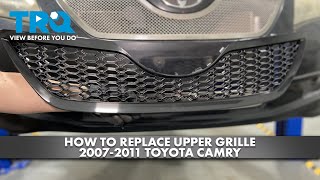
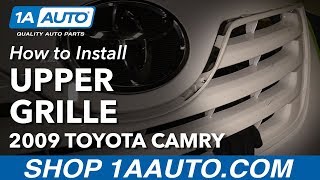
- Pre-Facelift (2007-2009): 🎬 Watch: 2007-2009 Camry upper grille replacement tutorial These models have a specific bumper and grille design. The grilles from these years are generally not interchangeable with the later models.
- Post-Facelift (2010-2011): The front bumper and grille were restyled. These models feature different headlights and a redesigned grille shape.
- Trim Level Differences: Within these year ranges, the Base, LE, SE, XLE, and Hybrid models often had unique grille designs. For example, the SE (Sport Edition) typically featured a sportier, mesh-style grille, while the LE and XLE had a more traditional bar-style design. The chrome accents and paint finishes could also vary by trim.
Warning: Always verify the model year AND trim level of the vehicle the grille is intended for. A 2010 SE grille will not fit a 2009 LE bumper, and vice-versa.
Symptoms of a Damaged Grille

Grille failure is almost always due to physical damage. Unlike mechanical parts, the symptoms are typically visual.
- Visible Damage: This is the most obvious symptom. Cracks, holes, or large sections broken off from an impact with road debris or a minor collision are common.
- Loose Fit or Rattling: The plastic clips and tabs that hold the grille to the bumper can break over time, causing the grille to become loose and rattle, especially when driving over bumps.
- Faded or Peeling Finish: The plastic and chrome finishes can degrade from sun exposure and weather. This is primarily a cosmetic issue but can indicate the age and condition of the plastic.
- Overheating (Rare): In extreme cases, if the grille is severely blocked by debris (like mud or snow) or a makeshift cover, it could restrict airflow to the radiator and contribute to engine overheating.
Buying a Used 2007-2011 Camry Grille: What to Check

A used OEM grille is often a better choice than a cheap aftermarket one due to superior fit and material quality. Here’s what to inspect before buying:
- Confirm Compatibility: This is the most critical step. Get the year and trim level (LE, SE, XLE, etc.) from the seller and match it to your vehicle. Look at photos carefully to compare the style (bar vs. mesh) to your existing grille.
- Inspect All Mounting Tabs: Carefully check the back of the grille. All the plastic tabs, clips, and screw holes should be intact. A single broken tab might be acceptable, but multiple broken tabs will result in a loose, poorly-fitting grille that may rattle or fall off.
- Examine the Face for Damage: Look for more than just obvious cracks. Check for stress marks (white-ish lines in the plastic) which indicate it has been bent or impacted. On chrome grilles, check for peeling, bubbling, or deep scratches.
- Check for Brittleness: If possible, gently feel the plastic. Years of sun exposure can make the plastic brittle and more susceptible to future cracking. A good used part should still have some minor flexibility.
- Ask About the Emblem: Some used grilles come with the Toyota emblem, while others don't. These are often sold separately, so confirm if it's included.
Pro Tip: Many aftermarket grilles, especially low-cost chrome ones, are known for poor fitment and a chrome finish that can peel or flake within a year. A used OEM grille with intact mounting points will almost always fit better and last longer.
Known Issues, Recalls, and TSBs
There are no specific recalls or Technical Service Bulletins (TSBs) issued by Toyota for the grille itself on the 2007-2011 Camry. The primary "known issue" is the widespread confusion regarding trim level compatibility. While numerous recalls were issued for this Camry generation for things like power window switches and accelerator pedals, none pertain to the grille.
Replacement Overview & Difficulty
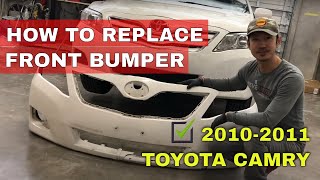
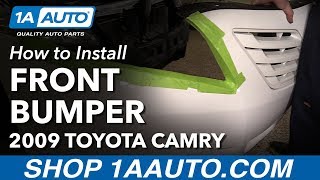
Replacing the grille on a 2007-2011 Camry requires removing the front bumper cover. 🎬 See this step-by-step bumper removal walkthrough While not overly complex, it involves many steps and hidden clips.
- Difficulty: 3 out of 5
- Estimated Time: 1.5 - 2.5 hours
- Tools Needed: 10mm socket, Phillips screwdriver, flat blade screwdriver, trim removal tool.
General Steps:
- Open the hood and remove the upper plastic radiator cover.
- Remove the bolts and clips securing the bottom of the bumper cover to the splash shield underneath the car.
- Inside each front wheel well, remove the screw and clips holding the edge of the bumper to the fender.
- Carefully pull the sides of the bumper cover away from the fenders to release the clips.
- Pull the entire bumper cover forward and off the vehicle. If equipped, disconnect the fog light wiring.
- With the bumper cover removed and placed on a soft surface, you can access the screws and clips on the back that hold the grille in place.
- Swap the grilles and reinstall the bumper by following the steps in reverse.
Cost Comparison

| Part Type | Estimated Cost |
|---|---|
| New OEM | $180 - $285 |
| New Aftermarket | $30 - $120 |
| Used OEM | $50 - $150 |
| Shop Labor | $150 - $250 |
Frequently Asked Questions
Can I put a sporty SE grille on my LE or XLE model?
Yes, but it's not a direct swap. To properly fit an SE grille on a non-SE model, you will also need to replace the front bumper cover with the corresponding SE version, as the shapes are different.
Do I have to remove the whole bumper to replace the upper grille?
Yes. For the 2007-2011 Camry, the upper grille is secured from behind the bumper cover. The entire bumper assembly must be removed to access the clips and screws needed to release the grille.
What is the difference between the 2009 and 2010 Camry grilles?
The 2010 model year marked a mid-cycle refresh for the Camry, which included a redesigned front end. The grilles, headlights, and bumper covers are different shapes and are not interchangeable between a 2009 and a 2010 model.
Is it safe to drive with a broken or missing grille?
Yes, it is generally safe to drive. The primary risk is to the radiator and A/C condenser, which are now more exposed to being damaged by rocks or other road debris. It is advisable to replace the grille to protect these expensive components.
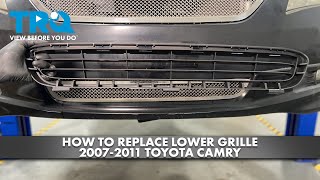
🎬 Watch: How to replace the lower grilleHelpful Videos
Technical Specifications
OEM Part Numbers: 5310106070A0 5310106070C0 5310106070G0 5310106190A0 5310106560 5310133230A0 5310133280C0 5311106090A0 5311106090C0 5311133230A0 5311206010 5311233030 5310106180C0 5310106190D0 5310106190G0 5310106190H0
Material: Primarily plastic, with some models featuring chrome-plated finishes. Fitment varies by year and trim.
We Have This Part in Stock



The information in this article is provided for general reference and educational purposes only. Vehicle specifications, procedures, and part compatibility can vary by production date, trim level, and region. Always consult your vehicle's factory service manual and verify part numbers before purchasing or performing repairs. Safety-critical components such as airbags, seat belts, and braking systems should be installed by a qualified professional.
- Toyota Camry: