

2014-2020 Dodge Durango Grille: A Guide to Trims, Swaps, and ACC Compatibility
This guide decodes the many grille variations for the 2014-2020 Dodge Durango, helping you find the exact right part and avoid common purchasing mistakes.
- Grilles for 2014-2020 Durangos are NOT compatible with 2011-2013 models due to a major body style change.
- Compatibility depends critically on trim level (Standard vs. R/T/SRT) and whether the vehicle has Adaptive Cruise Control (ACC), which affects the lower grille.
- When buying a used grille, the most important inspection is checking for broken or cracked mounting tabs, as this will prevent a secure fit.
- Replacement is a manageable DIY job but requires the complete removal of the front bumper cover.
A Critical Note on Model Years: 2013 vs. 2014-2020

Warning: The Dodge Durango received a major redesign for the 2014 model year. Grilles from 2011-2013 models are NOT interchangeable with 2014-2020 models. This guide focuses specifically on the 2014-2020 generation. If you have a 2013 model, you must purchase a grille specifically listed for the 2011-2013 year range.
Grille Variants: Decoding the Options

Finding the correct grille for a 2014-2020 Durango can be confusing due to numerous variations based on trim level, optional features, and even specific model years. Understanding these differences is the most important step in buying the right part.
Upper vs. Lower Grilles
The Durango front end has two main grille sections:
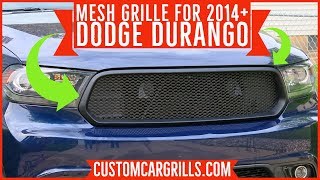
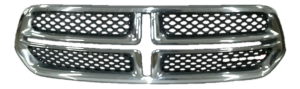
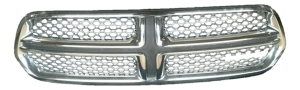
- Upper Grille: This is the main, larger grille located between the headlights. It typically consists of a painted or chrome outer frame (surround) and a separate inner mesh or honeycomb insert. 🎬 Watch this step-by-step mesh grille installation tutorial
- Lower Grille: This is the smaller grille located in the lower part of the bumper cover. Its design is most often dictated by the presence of Adaptive Cruise Control.
Trim Level and Bumper Styles
Dodge used several different grille styles that correspond to specific trim packages and their unique front bumpers.
- Standard Trims (SXT, Limited, Citadel, GT before 2018): These models typically feature the classic Dodge "crosshair" design or a honeycomb pattern, often with a chrome or body-color surround.
- Performance Trims (R/T, SRT, 2018+ GT): These trims have a more aggressive front bumper and unique grille designs that are not compatible with the standard models. For example, some aftermarket grilles explicitly exclude R/T and SRT models from 2018-2020. The SRT models, in particular, have their own dedicated grille and bumper components. 🎬 Watch how to remove the SRT front bumper
The Adaptive Cruise Control (ACC) Complication
The single biggest compatibility trap is the Adaptive Cruise Control (ACC) system. If your Durango is equipped with ACC, a forward-facing radar sensor is mounted in the lower bumper area.
- Without ACC: These models use a standard, uninterrupted lower grille mesh.
- With ACC: These models have a special lower grille with a cutout or a specific bracket designed to house the ACC sensor. A grille for a non-ACC vehicle will not work, as it will block the sensor.
Pro Tip: To check if you have Adaptive Cruise Control, look at the buttons on your steering wheel. If you see buttons with car icons and distance bars, you have ACC. You can also visually inspect your lower grille for a square sensor panel.
Symptoms of a Damaged Grille

Failure of a grille is almost always due to physical damage rather than a defect. Symptoms are typically straightforward and visible.
- Visible Cracks or Holes: The most common symptom is visible damage from impacts with road debris, animals, or minor collisions.
- Loose Fitment or Rattling: Broken mounting tabs can cause the grille to become loose, resulting in rattling or buzzing noises, especially at speed.
- Peeling or Faded Finish: The chrome or painted finish can peel, bubble, or fade over time due to sun exposure and weather, making the vehicle look worn.
- ACC or Parking Sensor Errors: If an impact damages the grille sections that hold the ACC sensor or parking sensors, you may see warning lights or error messages for those systems on your dashboard.
Buying a Used 2014-2020 Durango Grille: What to Check

A used OEM grille is often a smart choice over a new aftermarket part because it guarantees a perfect fit and better material quality. However, a thorough inspection is essential.
- Confirm the Exact Variant: First, match the part to your Durango's year, trim (SXT, R/T, SRT, etc.), and ACC status. Use photos of your existing grille to compare with the used part. Pay close attention to the insert pattern (honeycomb vs. mesh) and surround color (chrome, black, painted).
- Inspect All Mounting Tabs: This is the most critical step. Carefully check every plastic tab and clip location on the top, bottom, and sides. These tabs are brittle and frequently break when a grille is removed. A grille with broken tabs will not sit flush, leading to gaps and rattles.
- Check for Hairline Cracks: Look for small stress cracks in the plastic, especially around screw holes and tab locations. What looks like a small crack can easily break completely during installation.
- Examine the Finish: For chrome grilles, look for signs of peeling or bubbling. For painted grilles, check for deep scratches or flaking paint. Minor road wear like small rock chips is normal, but widespread finish failure is a red flag.
- Verify Lower Grille Sensor Mounts: If buying a lower grille for a vehicle with ACC, ensure the sensor mounting bracket and its attachment points are intact and undamaged.
Known Issues, Recalls, and Service Bulletins
As of mid-2026, there are no specific recalls or Technical Service Bulletins (TSBs) from Dodge or the NHTSA that pertain directly to the grilles on 2014-2020 Durango models. Issues with the grille are almost exclusively the result of impact damage or cosmetic wear. While numerous recalls exist for this Durango generation, they involve other components like the ABS module, rear spoiler, or rearview camera.
Replacement Overview
Replacing the grille on a 2014-2020 Durango requires removing the entire front bumper cover to access the clips and screws holding it in place.
- Difficulty: 3 out of 5. It is manageable for a DIYer with basic tools, but it is more involved than a simple bolt-off, bolt-on part.
- Estimated Time: 1.5 - 2.5 hours.
- Common Tools: Socket set (typically 8mm, 10mm), plastic trim removal tools, flathead screwdriver, and Phillips screwdriver.
The general process involves removing fasteners in the wheel wells, under the bumper, and under the hood before carefully unsnapping the bumper cover from the fenders and grille support. Once the bumper is off, 🎬 See this quick guide on removing the front bumper the grilles can be unclipped and replaced.
| Part Type | Estimated Price Range | Notes |
|---|---|---|
| New OEM | $275 - $400 (Upper) | $60 - $100 (Lower) | Price varies significantly by trim. Chrome surrounds are often the most expensive. |
| New Aftermarket | $100 - $250 (Full Set) | $50 - $80 (Individual) | Fit and finish can be inconsistent. Often sold in upper/lower kits. |
| Used OEM | $85 - $200 | Excellent value, but requires careful inspection for broken tabs and damage. |
| Shop Labor | $150 - $300 | Based on 1.5-2.5 hours of labor for bumper R&R and grille swap. |
Part Number Reference
Below are some known OEM part numbers. Always verify fitment with your vehicle's VIN before ordering.
- 5113712AC / 05113712AC: Upper Grille Surround, Chrome. Fits many 2014-2020 standard trims.
- 68320617AA: Lower Grille. Fits 2018-2020 performance models like R/T and SRT.
- 5113684AB: Lower Grille, Center. For models WITHOUT Adaptive Cruise Control.
- 5113688AC: Lower Grille.
- 5113713AB: Upper Grille Backing Panel/Insert.
Frequently Asked Questions
Can I install an SRT or R/T grille on my SXT or GT Durango?
No, not without significant modification. The SRT and R/T grilles are shaped differently and designed to fit the unique performance front bumpers used on those trims. To perform a swap, you would need to replace the entire front bumper cover, and potentially other related components.
How do I know if I need the grille for Adaptive Cruise Control (ACC)?
Look at your lower front bumper grille. If you see a solid, dark square panel, that is the ACC sensor, and you need a compatible lower grille. You can also check your steering wheel for cruise control buttons that show icons of a car with distance markings.
Is it hard to replace the Durango grille myself?
It is a moderately difficult job for a beginner because the entire front bumper cover must be removed. However, it does not require specialized tools, and many video tutorials are available online that walk through the process step-by-step. If you are comfortable removing panels and using basic hand tools, it is a very achievable DIY project.
Will a broken grille cause my engine to overheat?
It is unlikely unless the damage is so severe that it allows a large piece of debris to become lodged against the radiator, blocking airflow. A few cracks or a small hole in the grille itself will not impact cooling performance. The primary risk of a broken grille is cosmetic and leaves the radiator and condenser more vulnerable to future impacts.
Helpful Videos

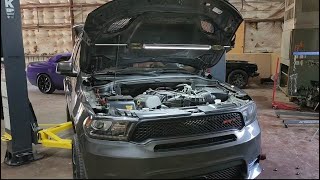
Technical Specifications
OEM Part Numbers: CH1036127 05113684AB 05113712AC 05113716AB 5113684AB 5113712AB 5113712AC 5113716AB 68089175AA 68320617AA CH68320617AA 5113713AB 5113688AC
Material: Primarily ABS Plastic. Finishes include chrome, gloss black, matte black, and body-color paint.
We Have This Part in Stock




The information in this article is provided for general reference and educational purposes only. Vehicle specifications, procedures, and part compatibility can vary by production date, trim level, and region. Always consult your vehicle's factory service manual and verify part numbers before purchasing or performing repairs. Safety-critical components such as airbags, seat belts, and braking systems should be installed by a qualified professional.
- Dodge Durango:
- 🎬 Helpful Videos
- 🛍️ Shop This Part
- A Critical Note on Model Years: 2013 vs. 2014-2020
- Grille Variants: Decoding the Options
- Upper vs. Lower Grilles
- Trim Level and Bumper Styles
- The Adaptive Cruise Control (ACC) Complication
- Symptoms of a Damaged Grille
- Buying a Used 2014-2020 Durango Grille: What to Check
- Known Issues, Recalls, and Service Bulletins
- Replacement Overview
- Part Number Reference
- Frequently Asked Questions
- 🎟️ Get 5% Off