

2017-2019 GMC Acadia 2.5L LCV Engine: Problems, Identification, and Used Replacement
Identify what kills the 2.5L Ecotec, learn how to spot the exact AWD variant you need, and discover when replacing it with a used OEM unit makes the most financial sense.
- Verify fitment is for an All-Wheel Drive (AWD) model by checking that the 8th VIN digit is 'A' and the 11th is 'Z'; an engine from a Front-Wheel Drive (FWD) model is not compatible.
- After installation, a Crankshaft Position (CKP) System Variation Relearn procedure is mandatory and must be performed with a professional scan tool to prevent misfires and poor performance.
- When installing a used engine, perform preventative maintenance such as intake valve cleaning (walnut blasting) and replacing the timing chain set on higher-mileage units while access is easy.
- Strictly use full synthetic oil meeting the GM dexos1 Gen 2 or Gen 3 specification to ensure longevity and prevent premature wear of the timing chain and other internal components.
Engine Identification & Fitment


The engine used in the 2017-2019 GMC Acadia is the 2.5-liter, inline 4-cylinder known by the Regular Production Option (RPO) code LCV. This is a member of the GM Ecotec Generation III engine family (produced from 2012–2022) and features dual overhead cams (DOHC), 16 valves, and Spark Ignited Direct Injection (SIDI). 🎬 Watch: An in-depth review of 2.5L Ecotec reliability Direct injection is a fuel system where gasoline is sprayed directly into the combustion chamber, which improves efficiency but can lead to specific maintenance needs.
How to Confirm This Engine Fits Your Acadia
Before purchasing a replacement engine, you must verify it is the correct one for your specific vehicle. Mismatches are common and costly. Follow these steps to confirm fitment:
- Check the VIN: The Vehicle Identification Number (VIN) is a 17-digit code found on your dashboard (visible through the driver's side of the windshield) and on the driver's door jamb sticker. For this specific engine, the 8th digit of the VIN must be 'A'. Additionally, the 11th digit of the VIN must be 'Z' to indicate the correct assembly plant and drivetrain configuration. [30]
- Confirm Drivetrain: This specific engine assembly is for All-Wheel Drive (AWD) models only. You can confirm your vehicle is AWD by looking for an "AWD" badge on the rear of the vehicle or by physically checking for a rear differential and driveshafts.
Warning: An engine from a Front-Wheel Drive (FWD) Acadia will NOT work in an AWD model. The upper and lower oil pan assembly and the engine block are physically different. The FWD version holds less oil and lacks the necessary mounting bosses cast into the block to attach the AWD transfer case, also known as the Power Takeoff Unit (PTU).
What Will Not Fit: Common Interchange Mistakes
While other General Motors vehicles use a 2.5L LCV engine, they are not direct replacements for the AWD Acadia. Do not use an engine from one of the following vehicles, as they have differences in mounting points, accessory drive brackets, oil pan designs, wiring harness pinouts, and computer calibrations:
- GMC Acadia (FWD models)
- Chevrolet Blazer [15, 23]
- Chevrolet Colorado or GMC Canyon [22]
- Chevrolet Malibu or Impala [9, 17]
- Buick Envision
Common Problems & Failure Symptoms

While the 2.5L LCV has a lower complaint volume compared to the V6 engine offered in the same vehicle, 🎬 Watch: Common problems to expect with 2nd Gen Acadias certain issues can lead to major repairs or complete engine replacement. [1, 8]
Symptoms of a Failing Engine
Look for these signs that may indicate severe engine problems:
- Excessive Oil Consumption: Needing to add oil between regular oil changes. GM considers oil consumption acceptable up to a certain rate, but a sudden increase is a red flag. [32]
- Knocking or Ticking Noises: Sharp, metallic sounds from the engine that may change with engine speed can indicate worn internal parts like bearings or piston slap.
- Loss of Power: A noticeable decrease in acceleration and performance.
- Metal Shavings in Oil: Glittery particles found in the engine oil during an oil change are a sign of catastrophic internal wear.
Known Issues, Recalls, and Technical Service Bulletins (TSBs)
A Technical Service Bulletin (TSB) is a document issued by the manufacturer to help technicians diagnose and repair known common problems.
| ID | Affected Models | Description |
|---|---|---|
| NHTSA Recall 18V385000 (GM Recall 18188) | 2017–2018 | High-Pressure Fuel Pump Detachment: The fuel pump's mounting flange could crack, potentially causing the pump to detach, leading to a fuel leak and severe fire risk. The fix involves inspecting and replacing the fuel pump mounting and fuel pipe with updated parts. [1] |
| NHTSA Recall 20V668000 | 2019-2020 | Start/Stop Accumulator Bolts: The transmission start/stop accumulator may be missing bolts on the endcap, which can cause a transmission oil leak and potential transmission damage. |
| NHTSA Voluntary Emission Recall 18239 | 2018 | ECM Failure: The Engine Control Module (ECM) requires replacement if an internal electrical connection fails. |
| NHTSA Recall 17V516 | N/A | Driveshaft Fracture: The right-front intermediate driveshaft may fracture and separate, causing a loss of drive power. [8] |
| TSB #18-NA-129 | 2018 | Incomplete Cylinder Bore Machining: Improperly machined cylinder bores can cause excessive oil consumption or piston slap noise, potentially leading to premature engine failure. |
| TSB #18-NA-355 | 2018 | Lower Oil Pan Seep/Leak: The lower oil pan gasket can leak. The bulletin advises technicians to reseal or replace the lower oil pan gasket with RTV sealant before installation. [7, 8, 10] |
| TSB PI1482 | 2013-2015 | Balance Shaft Noise / Low Oil Pressure: Affects early LCV production. Technicians must inspect the driven gear on the balance shaft for cracks or damage. |
| TSB 12270 / PI0768D | 2013 | Crankshaft Bearing Noise: Engine replacement was required for early production units; this was addressed early in the life cycle. |
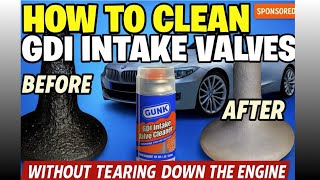
| Intake Valve Carbon Buildup | All years | As a direct-injection engine, fuel does not wash over the intake valves. Over time, carbon deposits can build up, restricting airflow and causing rough running, misfires, and loss of power. | 🎬 Watch: How to perform a DIY GDI carbon cleaning
Diagnostic Flowchart
What Fails at Every Mileage Band
Pro Tip: The mileage bands below describe what typically fails on these engines at various stages of their life. If you are buying a used replacement engine, use the checklists provided to perform critical maintenance while the engine is out of the vehicle and easy to access, before installation.
Under 60,000 Miles
Engines in this range are generally healthy, but early-life failures are often tied to factory defects or recalls. Issues include high-pressure fuel pump detachment (NHTSA 18V385000), missing start/stop accumulator bolts (NHTSA 20V668000), ECM failures (NHTSA 18239), and incomplete cylinder bore machining (TSB #18-NA-129). You may also see lower oil pan RTV gasket leaks (TSB #18-NA-355) and failures of the auto start-stop system to restart the engine, often related to a degrading battery. [18]
- ✓Do during install (required): Verify all recalls (fuel pump, start/stop accumulator bolts) have been performed. Replace all required single-use Torque-to-Yield (TTY) bolts.
- ✓Do during install (recommended): Inspect the lower oil pan for any signs of RTV sealant leaks and reseal if necessary (addresses TSB #18-NA-355). Perform a full diagnostic scan to check for any stored codes related to the ECM or other modules.
- ✓Cheap insurance while the engine is out: Install a new thermostat and housing; a faulty thermostat can cause cooling fans to run constantly and trigger check engine lights (Code P0128). [9]
60,000 to 100,000 Miles
At this stage, direct-injection specific issues become prominent. Carbon buildup on the intake valves is common and is not addressed by fuel system cleaners. [6, 9] This causes misfires and poor fuel economy. [9] Cam phaser solenoid failures can lead to rough idling and check engine lights. [6] Ignition coil failures and excessive oil consumption (linked to piston rings or the PCV system) also begin to appear. [6] Battery degradation continues to cause start/stop system warnings. [18]
- ✓Do during install (required): Perform a manual intake valve cleaning (walnut blasting) to remove carbon buildup while access is easy.
- ✓Do during install (recommended): Replace the PCV valve and inspect all related hoses for brittleness or blockages. Change the transfer case fluid. [2]
- ✓Cheap insurance while the engine is out: Replace spark plugs (recommended interval is 100,000 miles, but it's cheap insurance). [2, 7, 14] Install a new water pump and thermostat assembly as a preventative measure. Replace the serpentine belt and tensioner.
100,000 to 150,000 Miles
Wear on critical internal components accelerates. The timing chain and its hydraulic tensioners, while designed to last the life of the engine, are highly sensitive to dirty or low oil. [6] Chain stretch or tensioner failure can occur. Cooling system components like hoses, plastic fittings, and the radiator become brittle and prone to cracking. [2] Transmission issues, such as harsh shifting, may also surface if fluid has not been maintained. [3, 4]
- ✓Do during install (required): All items from the 60-100K band if not already done.
- ✓Do during install (recommended): Strongly consider replacing the timing chain, guides, and tensioner. This is an interference engine, and a chain failure is catastrophic. Service the transmission with a fluid and filter change. [2]
- ✓Cheap insurance while the engine is out: Replace all accessible cooling hoses. [2] Replace engine mounts, as they are likely worn and can contribute to vibration.
Over 150,000 Miles
Failures here are related to the cumulative effect of wear, heat cycles, and time. The risk of major component failure (pistons, bearings, crankshaft) increases significantly, often preceded by knocking or loss of compression. The expected service life of the 2.5L LCV is generally 200,000 miles or more with proper care [10, 20], but strict adherence to using GM Dexos 1 Gen 2 or Gen 3 full synthetic oil is the single most critical factor for longevity. [6]
- ✓Do during install (required): Assume all rubber and plastic components are brittle and should be replaced (hoses, gaskets, seals, wiring harness connectors).
- ✓Do during install (recommended): At this point, the focus shifts from preventative maintenance on the engine to evaluating the condition of the entire drivetrain and chassis (transmission, AWD system, suspension, subframe).
- ✓Cheap insurance while the engine is out: A complete engine rebuild or replacement with a certified low-mileage unit is often more practical than addressing individual failures at this stage.
Real Owner Experiences
Here is what actual owners and technicians have reported regarding the 2.5L LCV engine across various mileages:
| Source | Mileage | What Happened | Cost |
|---|---|---|---|
| NHTSA, TSBs | <60,000 | Recalls and technical service bulletins point to early-life failures related to the fuel pump, start/stop system, potential internal engine machining flaws, and oil pan leaks. These are generally addressed under warranty. | $0 (if addressed under recall/warranty) |
| 1,700 | A 2024 Acadia (different engine, but same model line) required a full engine replacement at 1,700 miles. The owner noted the primary issue was with customer service, not just the failure. [31] | Warranty | |
| CorvetteForum | 20,800 | Owner experienced transmission shudder and had the A8 flush performed as per TSB 18-NA-355. (Note: 2016 Corvette, but references the same TSB number). | $408.48 |
| CoPilot | <80,000 | While discussing problematic model years, the 2017-2018 models were noted for issues that could lead to repair costs exceeding $7,000 for vehicles under 80,000 miles. [4] | Up to $7,000+ |
| 80,000 | Owner was asking about preemptively replacing parts. Another user mentioned that cam phaser solenoids are a common issue and cost about $50 each, while the oil manifold is around $200. [11] | not specified | |
| AMSOIL | 75,000+ | A motor oil company specifically markets products for engines with over 75,000 miles, featuring boosted detergents to combat sludge and enhanced anti-wear additives, acknowledging that engines in this range benefit from different formulations. [5, 22] | N/A (Preventative) |
| >100,000 | Several owners report owning Acadia, Traverse, or Enclave models well over 100k miles without major issues, suggesting that problems with earlier model years were largely resolved. [17] | N/A | |
| Bentley Buick GMC Blog | >200,000 | Some owners have kept their GMC Acadias for well over the 200,000-mile mark with few issues, emphasizing the importance of consistent maintenance. [10] | N/A |
| Auto Rider | >200,000 | With consistent, meticulous care, the Acadia can reliably exceed 200,000 miles. This equates to over 13 years of service for a typical driver. [20] | N/A |
Repair or Replace?
When facing engine trouble, you must decide whether to repair your current engine or replace it entirely. Here is a breakdown of typical repair costs versus replacement costs.
Typical Repair Costs
| Repair | Estimated Cost Range (USD) |
|---|---|
| Intake Valve Carbon Buildup | $300 - $800 [26, 33] |
| Cam Phaser Solenoid Issues | $150 - $400 [26] |
| Lower Oil Pan Seep/Leak (TSB #18-NA-355) | $200 - $500 [30] |
| Timing Chain and Gear Set Replacement | $2,732 - $3,592 [13] |
When Replacement is the Smarter Option
Replacement is a smarter option when the engine has suffered catastrophic failure, such as a cracked block, severe damage from oil starvation, or if the cylinder walls have excessive scoring or are out-of-round. [28, 31] Additionally, if the cost of multiple repairs (e.g., timing chain and piston rings) exceeds the price of a quality used engine, replacement is the better financial choice. [28]
Replacement Cost Estimates
Engine replacement costs vary based on your location, the shop's labor rate, and the type of engine you choose. Used units typically run $1,195 to $2,800 depending on mileage and warranty.
| Part / Service | Estimated Cost Range (USD) |
|---|---|
| New OEM Engine | $2,999 - $5,000+ |
| Remanufactured Engine | $1,899 - $4,930 |
| Used OEM Engine | $1,195 - $2,800 |
| Installation Labor | $1,440 - $3,000 |
Questions to Ask Your Installer
Before authorizing an engine swap, ask your mechanic these questions:
- Have you worked on this specific engine (GM 2.5L LCV) and vehicle (GMC Acadia AWD) before?
- Will you be performing the mandatory Crankshaft Position (CKP) System Variation Relearn procedure after installation?
- What is your source for the replacement engine and what is the warranty on both the part and your labor?
- Does the quoted price include all necessary new consumables like gaskets, seals, fluids, and single-use TTY bolts?
- Will you inspect and replace other wear items like the thermostat, water pump, and spark plugs during the swap?
- How will you handle the AWD transfer case (PTU) alignment to prevent spline damage?
- Can you perform a pre-installation inspection of the used engine, including checking for common issues like oil pan leaks or signs of excessive oil consumption?
- Will you perform an intake valve cleaning service (like walnut blasting) on the replacement engine before installation to address potential carbon buildup?
Installation & Post-Install Programming

This is an advanced-level job, typically taking a professional shop 12 to 18 hours. The DIY difficulty is Advanced to Expert. Special tools required include an engine hoist, load leveler, subframe support fixture, GM-specific quick-disconnect tools for high-pressure fuel lines, and a professional-grade scan tool (such as GM GDS2, Autel MaxiSYS, or Snap-on).
Required Consumables at Install
- Engine Oil: 5.0 to 6.0 Quarts of GM Dexos 1 Gen 2 or Gen 3 approved 5W-20 or 0W-20 synthetic engine oil (AWD models require up to 6.0 quarts; verify with dipstick).
- Oil Filter: ACDelco PF64 or equivalent.
- Engine Coolant: GM Dex-Cool 50/50 pre-diluted.
- Spark Plugs: ACDelco 41-121 iridium spark plugs or equivalent.
- Gaskets: Intake manifold, exhaust manifold, and thermostat gaskets.
- Single-use Torque-to-Yield (TTY) fasteners: Crankshaft balancer bolt, high-pressure fuel pump pipe, cylinder head bolts, and camshaft actuator bolts.
Key Installation Steps & 'Gotchas'
Several critical steps must be followed to avoid immediate damage or future failures.
- Torque-to-Yield (TTY) Bolts: Critical fasteners stretch permanently when tightened and must never be reused. Reusing them can lead to major mechanical failures.
- High-Pressure Fuel Pipe: The metal fuel pipe uses a single-use crush seal and must be replaced to prevent high-pressure fuel leaks and fire hazards.
- Vacuum Pump Camshaft Drive: Misalignment of the mechanical vacuum pump can snap the end of the camshaft, causing catastrophic cylinder head damage.
- AWD Transfer Case (PTU) Alignment: Ensure splines are clean and aligned perfectly to prevent damage to internal seals or stripped splines.
- Fragile Plastic Coolant Fittings: Plastic coolant pipes and heater core fittings become brittle with age and can break easily during removal.
- Wiring Harness: The integral wiring harness is plug-and-play, but must be routed and secured exactly as original to prevent chaffing. Double-check sensor connections (such as knock sensors) are correctly routed.
Required Programming & Calibration
After the new engine is installed, the vehicle's computer must be reprogrammed. This is not an optional step.
Warning: A Crankshaft Position (CKP) System Variation Relearn procedure must be performed using a dealer-level scan tool. If this is skipped, the engine will run poorly, trigger a flashing check engine light, and set misfire codes. The vehicle's anti-theft system (immobilizer) may also require a security relearn procedure.
Freight & Delivery Reality

When ordering a used engine assembly, understand that it will not arrive via standard parcel delivery. This is a heavy, bulky industrial part.
- Size and Weight: A fully dressed 2.5L LCV engine assembly weighs approximately 345 lbs and measures roughly 40" x 32" x 36" before crating.
- Shipping Method: It ships as Less-Than-Truckload (LTL) freight strapped to a wooden pallet.
- Delivery Requirements: Delivery to a residential address will require a truck equipped with a liftgate to lower the pallet to the ground. Commercial addresses with a loading dock or forklift are preferred and often cheaper.
- Inspection: You must inspect the engine for transit damage before signing the delivery driver's paperwork. Once you sign, you accept the condition of the freight.
Arrival Inspection: Compression and Leak-Down
When your used engine arrives, test the cylinders before you install it. A healthy used 2.5L LCV engine should show strong, even compression. The pressure readings should be within 10 to 15 percent of each other across all four cylinders. You should also perform a leak-down test. This test pumps compressed air into the cylinder to see how much air escapes. A good used engine will typically have less than 15 percent air loss per cylinder. If a cylinder loses more air than this, the piston rings or valves might be worn out.
Before the First Start: Fluids and Priming
Never start a used engine dry. Used engines sit on shelves for months, which causes all the protective oil to drain into the bottom pan. Starting the engine without priming it first will cause instant metal-on-metal damage.
Follow these steps to safely start your replacement engine:
- Add Fresh Oil and Filter: Install a brand-new oil filter. Fill the engine with 5W-20 engine oil that meets the General Motors dexos1 specification.
- Add Fresh Coolant: Fill the cooling system with a 50/50 mixture of clean water and Dex-Cool antifreeze. Dex-Cool is the required orange coolant for General Motors vehicles.
- Disable the Fuel System: Remove the fuel pump fuse from the fuse box. This prevents the engine from starting while you prime the oil system.
- Crank to Prime: Turn the key and crank the engine for 10 to 15 seconds. Watch the dashboard for the oil pressure light to turn off. This step pumps fresh oil through the engine block to coat the moving parts.
- Rest and Repeat: Let the starter motor cool down for one minute. If the oil pressure light stayed on, crank the engine for another 10 seconds.
- Start the Engine: Once you confirm oil pressure, put the fuel pump fuse back in. Start the engine and let it idle. Do not rev the engine. Check underneath the vehicle for any oil or coolant leaks.
Frequently Asked Questions (FAQ)
What is typically included with a used engine assembly?
A used engine assembly generally includes the core components: the cylinder block, cylinder head(s), all internally lubricated parts, upper and lower oil pans, valve covers, and timing covers. Per ARA standards, it usually includes the intake manifold, throttle body, SIDI fuel injectors, high-pressure fuel pump, harmonic balancer, and integral wiring harness. Accessories like the A/C compressor, starter motor, power steering pump, alternator, and exhaust manifold are typically not included and must be transferred from your old engine.
Can I use an engine from a Front-Wheel Drive (FWD) Acadia in my All-Wheel Drive (AWD) one?
No. The engine block and oil pan for the AWD model are unique. They have specific mounting bosses cast into them to attach the Power Takeoff Unit (PTU), also known as the transfer case. A FWD engine does not have these provisions and cannot be installed in an AWD vehicle.
Does this engine require special oil?
Yes. You must use a full synthetic engine oil that meets GM's dexos1 Gen 2 or Gen 3 specification. The recommended viscosity is typically 5W-20 or 0W-20. Using conventional oil or oil that does not meet the dexos1 standard can lead to sludge buildup and problems with the timing chain system.
What is a "Crankshaft Relearn" and is it required?
Yes, it is absolutely required. The Crankshaft Position (CKP) sensor tells the engine's computer the exact position of the crankshaft. Because of tiny manufacturing differences between engines, the computer must be taught the specific signal from the new sensor and crankshaft. This calibration, called a "relearn," ensures accurate ignition timing and misfire detection. It must be performed with a compatible diagnostic scan tool after the engine is installed.
What are Torque-to-Yield (TTY) bolts and why do I need new ones?
Torque-to-Yield (TTY) bolts are specially designed fasteners that stretch permanently when they are tightened to their final specification. Because they stretch, they lose their elasticity and cannot hold the proper clamping force if reused. On this engine, the crankshaft balancer bolt, high-pressure fuel pump pipe, cylinder head bolts, and camshaft actuator bolts are TTY and must be replaced during installation.
How do I verify my vehicle needs this exact engine?
Locate the VIN plate on the dashboard or driver's door jamb. Verify that the 8th digit of the VIN is 'A' and the 11th digit is 'Z'. Finally, confirm the vehicle is All-Wheel Drive (AWD) by checking for a rear differential, rear driveshafts, or an AWD badge on the liftgate.
Helpful Videos
Technical Specifications
Engine Code: LCV; Displacement: 2.5 Liters; Configuration: Inline 4-Cylinder; Valvetrain: DOHC, 16 Valves; Fuel System: Spark Ignited Direct Injection (SIDI); Engine Family: GM Ecotec Generation III; Vehicle Application: 2017-2019 GMC Acadia (AWD); VIN Digit 8: A; VIN Digit 11: Z; Required Oil: GM Dexos 1 Gen 2/3 Full Synthetic; Oil Viscosity: 5W-20 or 0W-20; Oil Capacity (AWD): Up to 6.0 Quarts; Weight: Approx. 345 lbs
We Have This Part in Stock


The information in this article is provided for general reference and educational purposes only. Vehicle specifications, procedures, and part compatibility can vary by production date, trim level, and region. Always consult your vehicle's factory service manual and verify part numbers before purchasing or performing repairs. Safety-critical components such as airbags, seat belts, and braking systems should be installed by a qualified professional.
- GMC Acadia:
- 🎬 Helpful Videos
- 🛍️ Shop This Part
- Engine Identification & Fitment
- How to Confirm This Engine Fits Your Acadia
- What Will Not Fit: Common Interchange Mistakes
- Common Problems & Failure Symptoms
- Symptoms of a Failing Engine
- Known Issues, Recalls, and Technical Service Bulletins (TSBs)
- Diagnostic Flowchart
- What Fails at Every Mileage Band
- Under 60,000 Miles
- 60,000 to 100,000 Miles
- 100,000 to 150,000 Miles
- Over 150,000 Miles
- Real Owner Experiences
- Repair or Replace?
- Typical Repair Costs
- When Replacement is the Smarter Option
- Replacement Cost Estimates
- Questions to Ask Your Installer
- Installation & Post-Install Programming
- Required Consumables at Install
- Key Installation Steps & 'Gotchas'
- Required Programming & Calibration
- Freight & Delivery Reality
- Arrival Inspection: Compression and Leak-Down
- Before the First Start: Fluids and Priming
- Frequently Asked Questions (FAQ)
- 🎟️ Get 5% Off