

2017-2022 Genesis G90 Fusible Link Block: Solving No-Start and Electrical Faults
Your definitive guide to diagnosing, replacing, and sourcing the correct engine bay fusible link block for your G90, including critical recall information.
- The most critical issue for 2017-2019 G90s is NHTSA recall 24V107 for a starter solenoid fire risk; the fix involves installing a relay kit in the fusible link block.
- This part does NOT require any programming or flashing after installation.
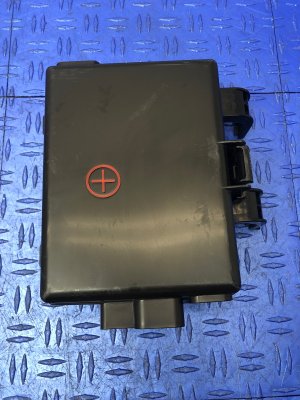
- The correct part number for the full assembly is 91950-D2450; part number 91950-D2467 is only the cover.
- Symptoms of a bad block (no-start, burning smell) are nearly identical to the recall symptoms, so checking the vehicle's recall status is the first diagnostic step.
Symptoms of a Failing Fusible Link Block
A problem with the main fusible link block can cause severe and often confusing electrical issues. Because it supplies power to so many different systems, a single failure can have widespread effects. Symptoms are often severe and can prevent the vehicle from starting or running.
- Complete or Partial Loss of Power: The most common symptom is a sudden loss of all electrical power. The vehicle will be completely dead, with no interior lights, dashboard, or response when turning the key. In other cases, only certain major systems might fail, such as headlights, the HVAC blower, or power seats.
- Engine Will Not Crank or Start: If the fusible link that protects the starter circuit or engine management system blows, the engine will not crank or start. You may hear a single click or nothing at all when you press the start button.
- Multiple Unrelated Warning Lights: A loss of stable power can cause communication errors between various control modules, leading to a cascade of warning lights on the instrument cluster, such as 'Check Engine,' ABS, or traction control.
- Visible Damage or Burning Smell: A visual inspection of the block may reveal melted plastic, scorched terminals, or a distinct electrical burning smell, indicating a severe overload has occurred.
- Dimming or Flickering Lights: An intermittent connection within the block can cause headlights and interior lights to flicker or appear unusually dim as the electrical load changes.
Important: Many of these symptoms, especially a no-start condition or burning smell on 2017-2019 models, are also signs of a serious safety recall issue. Always investigate this possibility before replacing parts.
Known Issues, Recalls, and Technical Service Bulletins (TSBs)
For the 2017-2022 Genesis G90, the fusible link block is directly involved in a critical safety recall.
NHTSA Recall 24V107 (Genesis Campaign 018G): Starter Solenoid Fire Risk
This is the most significant known issue related to the G90's main electrical system.
- Vehicles Affected: 2017-2019 Genesis G90 (as well as some G70 and G80 models).
- The Defect: Water can enter the starter motor's solenoid, causing an electrical short circuit. This can lead to an engine compartment fire, either while driving or while the vehicle is parked.
- The Fix: The official remedy does not involve replacing the starter. Instead, Genesis dealers install a special relay kit directly into the engine compartment's fusible link block (junction box). This new relay is designed to cut power to the starter circuit when it's not in use, preventing the short circuit from causing a fire.
- Symptoms of This Defect: A burning or electrical smell, smoke from the engine bay, a blown starter fuse, or a no-start condition. Because these symptoms overlap with a failed fusible link block, it is crucial to check if this recall has been performed on your vehicle before assuming the block itself is the primary cause of failure.
Diagnosing the Fusible Link Block
If you suspect a problem with the fusible link block, follow these diagnostic steps:
- Check for Recalls: For 2017-2019 models, use the VIN to check the official NHTSA or Genesis recall websites to see if recall 018G / 24V107 is open. If it is, schedule a dealer visit immediately. If it has been completed, the problem may lie elsewhere.
- Visual Inspection: Disconnect the negative battery terminal. Remove the cover from the engine compartment fuse box (Part No. 91950-D2467). Look for any signs of melting, charring, or corrosion on the fuses, relays, and the block's internal bus bars.
- Test for Continuity: Using a multimeter set to continuity or resistance mode, you can test the main fusible links. These are typically large, high-amperage fuses bolted into the block. Check for continuity between the two main posts of each link. A reading of infinite resistance (OL) means the link is blown and must be replaced.
Buying a Used Fusible Link Block
A used OEM fusible link block is a cost-effective and reliable alternative to a new part, as aftermarket versions are generally not available. Here’s what to look for:
- Verify the Part Number: The primary part number for the engine bay fusible link assembly is 91950-D2450. Ensure the part you are buying matches this number. Other numbers like 91950-D2180 may exist for different engine or trim configurations, so matching is key.
- Thorough Physical Inspection: Carefully inspect the used block for any signs of heat damage, melting, or corrosion. Check the underside where the main wiring harness connects. Any discoloration or warped plastic is a major red flag.
- Check for Intact Fuses: While individual fuses can be replaced, a block with multiple blown high-amperage fuses may indicate it came from a vehicle with severe electrical problems.
- Source from a Reputable Seller: Purchase from a salvage yard or online retailer that offers a warranty and has good reviews. This provides protection if the part is found to be defective.
Pro Tip: When buying a used block from a 2017-2019 vehicle, check if the recall relay kit has been installed. While not essential (as you can use the relays from your old block), it can be an indicator of the vehicle's history.
Replacement Information
Replacing the fusible link block is a straightforward task for a DIYer with basic mechanical skills. No special programming is required after installation.
- Disconnect the negative battery terminal and wait a few minutes for any residual power to discharge.
- Locate the fusible link block in the engine compartment.
- Remove the top cover.
- Carefully unbolt the main power feed cables connected to the block's bus bars. These are high-torque connections; be sure not to drop the nuts or washers.
- Unplug the wiring harness connectors from the bottom and sides of the block. There are typically several locking tabs that need to be depressed.
- Unbolt the fusible link block from the vehicle body and remove it.
- Transfer any relays or fuses from the old block to the new one as needed.
- Installation is the reverse of removal. Ensure all electrical connections are clean and tight.
Cost Comparison
Prices can vary based on location and supplier, but this provides a general estimate.
| Part Type | Estimated Cost |
|---|---|
| New OEM (Part No. 91950-D2450) | $140 - $200 |
| New Aftermarket | Not Available |
| Used OEM | $50 - $150 |
| Shop Labor | $100 - $200 |
Frequently Asked Questions (FAQ)
Does the 2017-2022 G90 fusible link block need to be programmed?
No. The fusible link block is a non-intelligent electrical distribution component. It does not contain software and does not require any programming, flashing, or dealer calibration after installation. It is a plug-and-play part.
What is the difference between part numbers 91950-D2450 and 91950-D2467?
Part number 91950-D2450 refers to the complete fusible link block assembly. Part number 91950-D2467 is only for the plastic top cover of the block. If your entire block is damaged, you need 91950-D2450.
Can I just replace a single blown fusible link instead of the whole box?
Yes, in many cases. The block contains several individual fuses and relays, including large bolt-in style fusible links. These can often be purchased and replaced separately. However, if the block housing itself is melted or damaged from the failure, the entire assembly must be replaced to ensure a safe and secure connection.
My 2018 G90 won't start. Is it the fusible link block?
It could be, but it is critical to first check if your vehicle has had the starter solenoid recall (NHTSA 24V107) performed. A no-start condition is a primary symptom of this recall issue. A dead battery, faulty alternator, or bad starter are also common causes. Proper diagnosis is needed before replacing the fusible link block.
Technical Specifications
OEM Part Numbers: 91950-D2450 91950-D2180 91950-D2467 (Cover Only)
Located in the engine compartment. Contains multiple relays and high-amperage bolt-in fuses, including a 200A main alternator fuse.
We Have This Part in Stock


The information in this article is provided for general reference and educational purposes only. Vehicle specifications, procedures, and part compatibility can vary by production date, trim level, and region. Always consult your vehicle's factory service manual and verify part numbers before purchasing or performing repairs. Safety-critical components such as airbags, seat belts, and braking systems should be installed by a qualified professional.
- Genesis G90:
- 🛍️ Shop This Part
- Symptoms of a Failing Fusible Link Block
- Known Issues, Recalls, and Technical Service Bulletins (TSBs)
- NHTSA Recall 24V107 (Genesis Campaign 018G): Starter Solenoid Fire Risk
- Diagnosing the Fusible Link Block
- Buying a Used Fusible Link Block
- Replacement Information
- Cost Comparison
- Frequently Asked Questions (FAQ)
- 🎟️ Get 5% Off