

2013-2023 Toyota Tacoma Fuse Box: Decoding Generations, Part Numbers, and Failures
This guide clarifies the critical differences between 2nd and 3rd Gen Tacoma fuse boxes, common failure points, and why this part does not require dealer programming.
- The fuse boxes for 2nd Gen (2013-2015) and 3rd Gen (2016-2023) Tacomas are NOT interchangeable; you must buy for your specific generation.
- This part is plug-and-play and does NOT require any dealer programming or software flashing after installation.
- Always match the OEM part number exactly, as options like engine size and tow packages determine the correct box.
- When buying used, carefully inspect for any signs of corrosion (white/green powder) or heat damage (melted plastic), as these indicate a bad part.
Understanding the Generational Divide: 2nd Gen vs. 3rd Gen
Warning: The most critical factor when replacing a Toyota Tacoma fuse box is the vehicle's generation. The 2013-2023 range covers two distinct generations with completely different electrical systems.
- 2nd Generation: 2013-2015 model years
- 3rd Generation: 2016-2023 model years
Fuse boxes from a 2nd Gen Tacoma are NOT interchangeable with those from a 3rd Gen, and vice-versa. You must purchase a part intended for your specific year range.
Symptoms of a Failing Fuse Box

A bad fuse box often creates confusing electrical problems that can be mistaken for other issues. While a single blown fuse points to a problem with a specific component, a faulty fuse box itself will cause more widespread and erratic symptoms.
- Multiple, Unrelated Electrical Failures: This is the most common sign. For example, your radio, interior lights, and power windows might stop working simultaneously.
- Intermittent Power to Components: Circuits may work one moment and fail the next. This is often caused by internal corrosion or loose connections within the fuse box.
- Visible Corrosion or Melting: Pop the cover off the fuse box and inspect it. Green or white crusty deposits on the metal terminals indicate water intrusion and corrosion. Melted plastic around any of the fuse or relay sockets is a major red flag, indicating a severe short circuit or that a previous owner used an incorrectly rated fuse.
- Burning Plastic Smell: A strong burning odor from under the hood can point to an overheating connection within the fuse box.
- Fuses for a Circuit are Good, but it Still Doesn't Work: If you've tested the fuse for a non-working component and it's fine, the problem could lie in the fuse box's internal connections that supply power to that fuse.
Generation-Specific Information and Part Numbers

Always verify the part number on your original fuse box before ordering a replacement. Trim levels, engine size, and factory options like a tow package can change which box your truck needs.
2nd Generation (2013-2015) Toyota Tacoma
These models, primarily with the 4.0L V6 and 2.7L I4 engines, have specific fuse box assemblies. The factory tow package is a common variant that requires a different box.
| Part Number | Description | Common Fitment Notes |
|---|---|---|
| 82741-04020 | Engine Room Relay Block | Fits models with and without tow package. |
| 82662-04131 | Fuse & Relay Box Upper Cover | For 4.0L V6 with factory tow package. |
| 82663-04010 | Fuse & Relay Box Lower Cover | Often sold separately. |
3rd Generation (2016-2023) Toyota Tacoma
The 3rd Gen Tacoma, with its 3.5L V6 and updated 2.7L I4 engines, uses a more modular fuse and relay box system. You may find several different blocks and assemblies in the engine bay.
| Part Number | Description | Common Fitment Notes |
|---|---|---|
| 82620-04010 | Block Assembly, Fusible Link (#2) | Common main block for 2016-2023 models. |
| 82620-04020 | Block Assembly, Fusible Link (#1) | Another common main block. |
| 82760-04010 | Fuse & Relay Box | Fits a wide range of 2016-2023 models. |
| 82730-04065 | Fuse Box / Junction Block | Fits later models, 2020-2023. |
| 82662-04160 | Relay Block Upper Cover | For 3.5L engine models. |
Known Issues, Recalls, and TSBs

As of early 2026, there are no active recalls or widespread Technical Service Bulletins (TSBs) issued by Toyota specifically for the fuse box assembly on 2013-2023 Tacomas. While there are numerous TSBs for various electrical symptoms, none point to a systemic defect in the fuse box itself. Most failures are isolated incidents caused by environmental factors (water intrusion) or user error (improperly wired accessories).
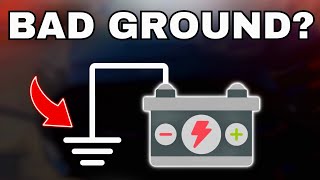
Pro Tip: Many electrical issues on Tacomas are traced back to a poor ground connection or incorrectly installed aftermarket accessories that tap into the fuse box. Before condemning the fuse box, ensure all battery and chassis ground connections are clean and tight 🎬 Watch: How to identify and fix common bad ground symptoms, and disconnect any aftermarket wiring to see if the problem resolves.
Programming and Installation
Good News: No Programming Required. The engine bay fuse box is a non-programmable component. It does not need to be flashed, coded, or programmed by a dealer after installation. It is a direct plug-and-play replacement part. This makes it an excellent DIY-friendly or independent shop repair.
Replacement involves disconnecting the vehicle's battery, unplugging all electrical connectors, unbolting the box from the chassis, and swapping it with the new unit. The most time-consuming part is carefully transferring all the original fuses and relays from the old box to the new one.
Buying a Used 2013-2023 Tacoma Fuse Box

Given the high cost of a new OEM fuse box, a quality used unit is an excellent value. However, careful inspection is key.
- Match the Part Number Exactly: This is the most important rule. Do not rely on visual appearance alone. Get the number from your original part and match it to the used one.
- Inspect for Corrosion: Look for any signs of green or white powder on the terminals, both where the fuses plug in and where the main harnesses connect. Any corrosion is a deal-breaker.
- Check for Heat Damage: Carefully examine the plastic around every single fuse and relay slot. Any melting, warping, or discoloration means the box has been subjected to extreme heat from a short circuit and should be rejected.
- Confirm No Broken Clips or Connectors: Ensure the plastic housing is not cracked and that all mounting tabs and connector lock tabs are intact. A single broken internal terminal clip can be non-repairable, potentially leading to a dealer recommending a full wiring harness replacement, an extremely expensive job.
- Why Used OEM is a Smart Choice: A used OEM fuse box that passes inspection offers the same factory-grade materials and perfect fitment as a new dealer part at a fraction of the price. Aftermarket direct-fit fuse boxes are generally not available, making used OEM the best alternative to a costly new part.
Cost Comparison
| Part Type | Estimated Cost | Notes |
|---|---|---|
| New OEM | $250 - $750+ | Price varies dramatically by specific part number and generation. |
| Used OEM | $100 - $300 | Dependent on condition, generation, and seller. |
| New Aftermarket | Not Available | Direct-fit replacement assemblies are not commonly sold. |
| Shop Labor | $125 - $250 | Typically 1-2 hours of labor for a direct swap. |
Frequently Asked Questions (FAQ)
Does a replacement fuse box need to be programmed to my Tacoma?
No. The engine bay fuse box is a non-intelligent part that does not contain software. It does not require any programming, flashing, or calibration. It is a simple plug-and-play component.
What's the difference between the engine and cabin fuse boxes?
This guide focuses on the main fuse box in the engine compartment, which handles high-current systems like the engine, fuel pump, and headlights. Your Tacoma also has a smaller fuse panel inside the cabin (often behind the dash or on the passenger side) that manages interior accessories like the radio, power outlets, and dome lights.
Why did my fuse box melt?
Melting is almost always caused by excess heat from too much electrical current. This typically happens for two reasons: 1) A previous owner installed a fuse with a higher amperage rating than specified (e.g., putting a 30A fuse in a 15A slot) to stop it from blowing, or 2) A component or wire in that circuit has a direct short to ground, causing a massive current draw that overheats the connection before the fuse can blow.
Can I use a fuse box from a 2WD Tacoma in my 4WD model?
Maybe, but it is highly discouraged. Different trim levels and options (2WD/4WD, tow package, etc.) often use slightly different internal wiring in the fuse box, even if they look identical. Always match the OEM part number from your original box to ensure 100% compatibility.
Helpful Videos

Technical Specifications
OEM Part Numbers: 82741-04020 82662-04131 82663-04010 82620-04010 82620-04020 82760-04010 82730-04065 82662-04160 8266204131 8266204160 8266204211 8266204212 8266304010 8266304030 8274104020 8274104040
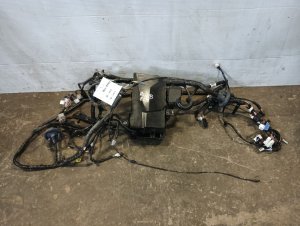
Houses blade-type fuses (MINI, LP-MINI, JCASE) and micro/mini relays. Connects directly to the battery positive terminal and main vehicle wiring harnesses.
We Have This Part in Stock



The information in this article is provided for general reference and educational purposes only. Vehicle specifications, procedures, and part compatibility can vary by production date, trim level, and region. Always consult your vehicle's factory service manual and verify part numbers before purchasing or performing repairs. Safety-critical components such as airbags, seat belts, and braking systems should be installed by a qualified professional.
- Toyota Tacoma:
- 🎬 Helpful Videos
- 🛍️ Shop This Part
- Understanding the Generational Divide: 2nd Gen vs. 3rd Gen
- Symptoms of a Failing Fuse Box
- Generation-Specific Information and Part Numbers
- 2nd Generation (2013-2015) Toyota Tacoma
- 3rd Generation (2016-2023) Toyota Tacoma
- Known Issues, Recalls, and TSBs
- Programming and Installation
- Buying a Used 2013-2023 Tacoma Fuse Box
- Cost Comparison
- Frequently Asked Questions (FAQ)
- 🎟️ Get 5% Off