

2004-2009 Toyota Prius Fuse Box: Solving No-Starts and Electrical Failures
This guide covers the common failure points of the Gen 2 Prius fuse boxes, how to diagnose them, and why a used OEM part is a smart, no-programming-required repair.
- A replacement fuse box for a 2004-2009 Prius does NOT require any programming, making a used OEM part a simple, cost-effective, plug-and-play repair.
- The most common causes of failure are water intrusion into the engine bay unit and damage from improper jump-starts.
- A sudden vehicle shutdown while driving is often caused by a failed inverter coolant pump blowing the AM2 fuse, not a primary failure of the fuse box itself.
- This generation has two main fuse boxes; one under the hood and one in the cabin. Correctly identify which one is faulty before purchasing a replacement.
Primary Failure Modes and Known Issues

While generally reliable, the fuse boxes in the second-generation Prius are prone to specific failures, often caused by external factors rather than a defect in the part itself. Understanding these issues is key to a correct diagnosis.
Water Intrusion and Corrosion
The engine bay fuse box is the most susceptible to moisture damage. If the plastic cover is missing, cracked, or not seated correctly, water from rain or car washes can seep inside. This leads to white or green crusty corrosion on the fuse terminals and internal copper bus bars. This corrosion creates high electrical resistance, causing intermittent power, flickering lights, and eventually, complete circuit failure. In some cases, a clogged cowl drain can cause water to overflow and drip onto the fuse box, accelerating the damage.
Melted Terminals from Improper Jump-Starts
Incorrectly jump-starting a Prius is a common cause of catastrophic fuse box failure. If jumper cables are connected with reversed polarity (positive to negative), the resulting voltage surge can blow major fuses and generate enough heat to melt the plastic housing around the main fusible links. This often results in a completely dead vehicle that will not power on.
Blown Fuses from Component Failure (AM2 Fuse)
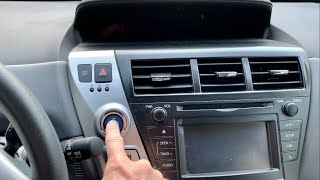
Pro Tip: A very common issue for the Gen 2 Prius is a sudden shutdown while driving. This is frequently caused by a failed hybrid inverter coolant pump, which creates a short circuit and blows the 15-amp "AM2" fuse in the engine bay fuse box. If your Prius dies unexpectedly, the AM2 fuse is the first thing to check. 🎬 Watch: How to troubleshoot a Prius that won't start. The fuse box is not the root cause, but it's where the symptom appears.
Warning: The initial prompt for this article mentioned a difference in fuse boxes for models with and without the Smart Key System (SKS). Extensive research did not confirm this distinction for the main fuse boxes/junction blocks. Compatibility for this generation Prius appears to be consistent across all 2004-2009 models for the primary fuse assemblies. The key differences related to SKS are found in the key fobs and immobilizer ECU, not the fuse box itself.
Symptoms of a Failing 2004-2009 Prius Fuse Box

Fuse box problems can be confusing because they often mimic the failure of other, unrelated parts. Here are the most common signs that point to a faulty fuse box:
- Multiple, Unrelated Electrical Failures: This is the most telling sign. For example, the power windows, radio, and interior lights might all stop working at the same time.
- Intermittent Power: Accessories that work one minute and not the next, or lights that flicker, often point to a loose or corroded connection inside the fuse box.
- No-Start or Complete Loss of Power: A major failure within the fuse box, such as a blown main fusible link, can make the car seem completely dead, with no lights or power even with a known-good 12V battery.
- Visible Corrosion or Melting: A visual inspection that reveals white/green corrosion, melted plastic around terminals, or burn marks is a clear indicator of failure.
- Repeatedly Blowing Fuses: While a single fuse blowing repeatedly usually points to a problem in that specific circuit, if multiple, different fuses start blowing, the fuse box itself could have an internal short.
Buying a Used Fuse Box: What to Look For

A used OEM fuse box is an excellent, cost-effective solution for the 2004-2009 Prius. Since these units do not require any programming, a clean, undamaged used part offers the same plug-and-play performance as a new one at a significant discount.
- Verify Part Numbers: While compatibility is broad, it's always best practice to match the OEM part number from your original fuse box to the replacement unit. Key part numbers for the interior fuse box include 82730-47300. For the engine bay, you may see numbers like 82613-47010 or 82620-47050.
- Thorough Visual Inspection: This is the most critical step. Do not buy a used fuse box without seeing clear pictures of the electrical connection points. Look for clean, bright metal terminals. Avoid any unit with signs of green or white corrosion, water stains on the housing, or melted plastic.
- Check the Source: Whenever possible, choose a part from a vehicle in a dry climate to minimize the risk of pre-existing corrosion. Ask the seller about the condition of the donor car.
Programming and Installation Requirements
No programming is required. For the 2004-2009 Prius, the fuse box is a simple power distribution center and does not contain any software tied to the vehicle's VIN or immobilizer system. Installation is a direct, plug-and-play process, making it a very DIY-friendly repair.
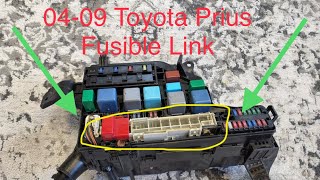
🎬 See this walkthrough on replacing the main fusible link block.The most important step during installation is to disconnect the 12-volt auxiliary battery before beginning work to prevent accidental short circuits. Once the new fuse box is installed and all connectors are securely seated, you can reconnect the battery, and all functions should return to normal.
Recalls and Technical Service Bulletins (TSBs)
While there are no recalls specifically for the fuse box itself, a highly relevant recall addresses a common cause of fuse box symptoms.
- NHTSA Recall 12V536000: This recall was for a potential failure in the hybrid system's electric water pump (inverter coolant pump). A failure could cause a short circuit and blow a fuse, leading to the hybrid system shutting down while driving. This is the well-documented issue that causes the AM2 fuse to blow. Toyota dealers will replace the affected water pump free of charge.
| Part Type | Estimated Cost |
|---|---|
| New OEM (Dealer) | $90 - $130+ (Varies by specific block) |
| New Aftermarket | $50 - $100+ |
| Used OEM (Salvage) | $40 - $100 |
| Shop Labor for Replacement | $100 - $200 |
Frequently Asked Questions (FAQ)
Do I need to program a replacement fuse box for my 2004-2009 Prius?
No. A replacement fuse box, whether new or used, does not need to be programmed or coded to the vehicle. It is a plug-and-play component.
Where are the fuse boxes located on a Gen 2 Prius?
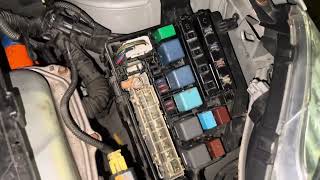
There are two main fuse boxes. The first is in the engine compartment on the driver's side, under a black plastic cover. The second is inside the car, under the dashboard to the left of the steering column.
🎬 Watch this quick guide to find both fuse box locations.My car is completely dead. Could it be the fuse box?
Yes, this is a strong possibility. A blown main fusible link, often caused by an incorrect jump-start, can lead to a total loss of power. Before replacing the fuse box, ensure the 12V battery is fully charged and its terminals are clean.
Can I just replace the fuse box cover if it's missing or broken?
Yes, and you absolutely should. The cover is essential for protecting the fuse box from water and debris, which are the primary causes of failure. Covers are often sold separately.
Helpful Videos
Technical Specifications
OEM Part Numbers: 82730-47300 82730-47380 82613-47010 82620-47050 82620-47040
Houses blade-style fuses (ATM), J-case fuses, and main fusible links. Contains integrated relays and power distribution bus bars.
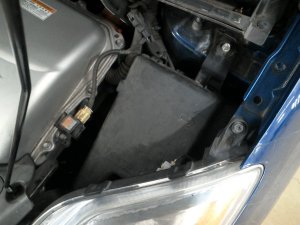
We Have This Part in Stock

The information in this article is provided for general reference and educational purposes only. Vehicle specifications, procedures, and part compatibility can vary by production date, trim level, and region. Always consult your vehicle's factory service manual and verify part numbers before purchasing or performing repairs. Safety-critical components such as airbags, seat belts, and braking systems should be installed by a qualified professional.
- Toyota Prius:
- 🎬 Helpful Videos
- 🛍️ Shop This Part
- Primary Failure Modes and Known Issues
- Water Intrusion and Corrosion
- Melted Terminals from Improper Jump-Starts
- Blown Fuses from Component Failure (AM2 Fuse)
- Symptoms of a Failing 2004-2009 Prius Fuse Box
- Buying a Used Fuse Box: What to Look For
- Programming and Installation Requirements
- Recalls and Technical Service Bulletins (TSBs)
- Frequently Asked Questions (FAQ)
- 🎟️ Get 5% Off