

2014-2019 Toyota Highlander Fuse Box & Body Control Module Guide
This guide explains the common failures, replacement costs, and critical programming requirements for the 2014-2019 Toyota Highlander's integrated fuse box and body control module.
- Compatibility is critical: You must match the part number exactly, especially noting whether your vehicle has the park assist option, as the fuse boxes are different.
- Programming is likely required: Replacing the fuse box assembly, which contains the Body Control Module (BCM), will likely require a visit to a dealer or qualified shop for programming.
- Symptoms are often widespread and confusing: A failing BCM can cause multiple, seemingly unrelated electrical problems at once, from a dead battery to a no-start condition.
- A used OEM part offers significant savings: A carefully inspected used assembly can cost less than half of a new OEM part, making it a great value if compatibility is confirmed.
Known Issues & Recalls

The 2014-2019 Toyota Highlander is generally reliable, with no widespread, common problems directly targeting the fuse box assembly itself. However, electrical issues can still arise from related components.
- Recalls: There have been no major recalls specifically for the main fuse box or Body Control Module on the 2014-2019 Highlander. However, there are some related electrical recalls to be aware of:
- A recall was issued for certain aftermarket replacement windshields that could allow water to leak into a wire harness, potentially damaging the vehicle's Engine Control Module (ECM) and causing the engine to stall.
- Some 2016 models were recalled because a brake fluid level sensor might not have been connected to the wire harness, preventing the system from detecting low fluid levels.
- A significant recall for the low-pressure fuel pump, affecting some 2018-2019 Highlanders, could cause the engine to stall. While not a fuse box issue, the symptoms could mimic electrical failure.
- Water Intrusion: Like many engine bay electrical components, the fuse box can be susceptible to damage if water gets past the hood and cowl seals. A TSB for newer Highlanders (2020-2022) mentions water entry from a disconnected HVAC drain hose, highlighting the general risk of water damage to interior electronics. Water damage can cause corrosion on the internal circuits of the fuse box and BCM, leading to unpredictable failures.
Symptoms of a Failing Fuse Box or Body Control Module

Because the fuse box and BCM control so many different systems, symptoms can be varied and seem unrelated. A failing module can create bizarre electrical gremlins that are difficult to diagnose.
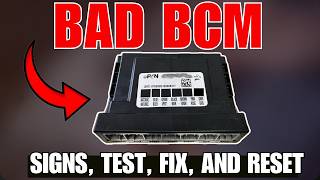
🎬 Watch: How to identify and test a bad control module- Multiple, Unrelated Electrical Failures: This is the most common sign. You might experience issues like the power windows not working, the radio cutting out, and the interior lights flickering all at once.
- Warning Lights on the Dashboard: A faulty BCM can lose communication with other modules in the vehicle, causing an array of warning lights like ABS, airbag, or check engine lights to illuminate, sometimes randomly.
- Parasitic Battery Drain: If the BCM fails to shut down a circuit properly when the car is off, it can lead to a slow drain that kills the battery overnight.
- No-Start or Hard-Start Condition: The BCM is often part of the vehicle's security and ignition sequence. A failure can prevent the car from recognizing the key or engaging the starter.
- Specific Functions Not Working: Sometimes the failure is more isolated, affecting a single system. Owners have reported issues like the power seats, USB ports, or alarm system not working, which can trace back to a specific fuse or a fault within the BCM.
Warning: The initial part numbers provided (82730-0EA80, 89221-0E230) refer to two distinct but related components. 82730-0EA80 is the Junction Block for vehicles WITHOUT park assist. 89221-0E230 is the Multiplex Network Body Control Module that integrates with it. A different Junction Block, part number 82730-0EA70, is used for vehicles WITH the park assist option. It is critical to match part numbers exactly to your vehicle's specific options.
Buying a Used Fuse Box / BCM Assembly

A used OEM assembly is often the most cost-effective solution for a failed unit. However, careful selection is critical to avoid compatibility issues.
- Verify Compatibility by Part Number AND Options: Do not buy a fuse box based on the year and model alone. You MUST match the part number from your original unit. Critically, you must get a unit from a donor vehicle with the exact same options, most notably the presence or absence of the park assist feature. Using the wrong one can cause features to not work or create new error codes.
- Physical Inspection: Carefully inspect the used part for any signs of damage. Look for white or green powdery corrosion on the terminals and connectors, which indicates water damage. Check for any melted plastic around the fuse or relay sockets, a sign of a severe short circuit.
- Programming Requirements: The integrated Body Control Module (BCM) may need to be programmed or synchronized with your vehicle's other modules and keys. While some sources suggest a simple battery disconnect might reset basic glitches, a replacement module often requires dealer-level software to function correctly. Be prepared for a potential trip to a dealer or a specialized mechanic with the right tools.
Cost Breakdown
Prices can vary significantly based on the source and condition of the part.
| Part Type | Estimated Cost |
|---|---|
| New OEM (Junction Block) | $240 - $355 |
| New OEM (Body Control Module) | Varies, often sold with Junction Block |
| Used OEM (Complete Assembly) | $100 - $150 |
| New Aftermarket | Not commonly available |
| Shop Labor for Replacement & Programming | $200 - $400 |
Frequently Asked Questions (FAQ)
Does the fuse box or BCM need to be programmed after installation?
Yes, it is highly likely. Several sources indicate that the Body Control Module (part number 89221-0E230, for example) may require programming to work with your vehicle's specific features and security system. You should anticipate needing a professional mechanic or a Toyota dealership to perform this service after installing a replacement unit.
🎬 Watch: How to reset or reprogram your Toyota's computer modulesWhat's the difference between a fuse box for a Highlander with and without park assist?
They use different Junction Block part numbers. Part 82730-0EA80 is for models without park assist, while 82730-0EA70 is for models with it. The internal circuitry and programming of the integrated BCM are different to accommodate the sensors and alerts for the parking system. Installing the wrong one will likely result in the park assist system not working or causing error messages.
Can I just replace a bad relay instead of the whole fuse box?
Sometimes. If a problem is traced to a single, standard plug-in relay (like for the horn or wipers), you can often replace just that relay. However, some critical relays, like those for the fuel pump, can be soldered directly to the fuse box's internal circuit board, making them non-serviceable. In those cases, the entire fuse box assembly must be replaced.
Where are the fuse boxes located on a 2014-2019 Toyota Highlander?
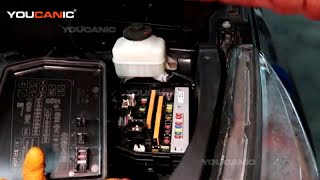
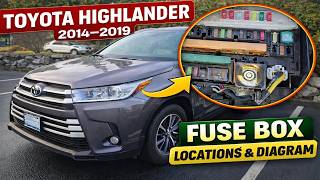
There are multiple fuse box locations. The main engine compartment fuse and relay box is on the driver's side, near the brake fluid reservoir. There is often a second, smaller relay box on the passenger side of the engine bay. An interior fuse panel is located under the dashboard on the driver's side, typically to the left of the steering column.
🎬 See this quick guide to all Highlander fuse box locationsHelpful Videos
Technical Specifications
OEM Part Numbers: 82730-0EA80 827300EA80 89221-0E230 892210E230 82730-0EA70
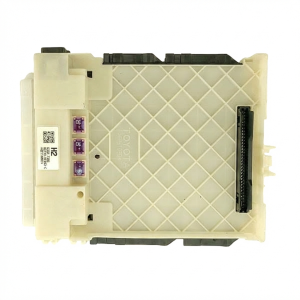
The primary part is the Junction Block Assembly, which integrates the Multiplex Network Body Control Module. Key variations depend on vehicle options like park assist.
We Have This Part in Stock

The information in this article is provided for general reference and educational purposes only. Vehicle specifications, procedures, and part compatibility can vary by production date, trim level, and region. Always consult your vehicle's factory service manual and verify part numbers before purchasing or performing repairs. Safety-critical components such as airbags, seat belts, and braking systems should be installed by a qualified professional.
- Toyota Highlander: