

2019-2022 Toyota Corolla Cabin Fuse Box: Your Guide to the Integrated BCM and Programming
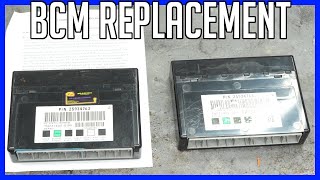
This isn't just a fuse panel; it's an integrated Body Control Module (BCM) that requires specific part matching and programming for a successful replacement.
- This part is an integrated Body Control Module (BCM) and fuse panel, not just a simple fuse holder.
- It MUST be programmed to the vehicle's VIN and options after installation, requiring a dealer or specialized shop.
- You must match the OEM part number exactly, as there are many variations for different body styles, engines, and trim levels.
- Symptoms of failure are typically widespread, random electrical issues, including battery drain, warning lights, and malfunctioning accessories.
Critical Warning: Programming is Required

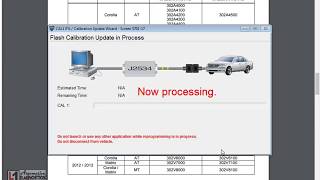
Warning: This is not a simple plug-and-play part. The cabin fuse box contains the Body Control Module (BCM), which is programmed specifically to the vehicle's VIN and its factory options. After installation, a used or new fuse box assembly MUST be programmed by a Toyota dealership or a qualified independent shop with access to Toyota's Techstream diagnostic software. Failure to program the module will result in incorrect operation of various electronic features or a potential no-start condition.
Symptoms of a Failing Corolla Fuse Box / BCM

Because the fuse box and BCM are one unit, failure symptoms are almost always electrical and can seem random and widespread. A failing module can cause confusing issues that don't point to a single blown fuse.
🎬 Watch: Top 7 symptoms of a bad body control module- Erratic Electronics: Power windows may stop working, the radio might not turn on, interior lights could flicker, or the windshield wipers may operate on their own.
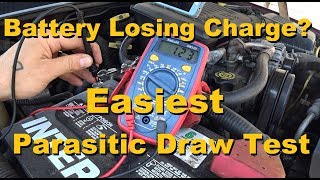
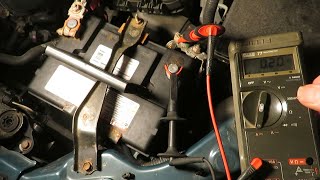
- Persistent Battery Drain: A classic sign is a parasitic draw that drains the battery overnight. This happens when the faulty BCM fails to put an electrical circuit to sleep after the car is turned off.
- Dashboard Warning Lights: You may see multiple, unrelated warning lights on the instrument cluster that flicker or stay on.
- Lighting Problems: Headlights or tail lights may stay on, not turn on at all, or flicker intermittently.
- Security and Keyless Entry Failure: The key fob may stop working, the alarm might go off randomly, or the car may not recognize the key, leading to a no-start condition.
- Communication Fault Codes: A professional scan tool may show 'U' series fault codes, such as U0140 (Lost Communication With Body Control Module), indicating a network problem originating from the BCM.
Known Issues, Recalls, and Service Bulletins

While there are no widespread recalls specifically for the cabin fuse box/BCM assembly on the 2019-2022 Corolla, it's important to be aware of other related electronic issues to avoid a misdiagnosis.
- Engine ECU Software Update: Toyota issued a Special Service Campaign (22TC07) for an engine ECU software update. Some vehicles could stall at low speeds when accelerating from a stop. This is an engine computer issue, not a BCM issue, but the symptoms could be confused by a DIY mechanic.
- Other Recalls: This Corolla generation has had recalls for other components like the fuel pump and airbag sensors. It is always wise to check if your vehicle has any open recalls by entering its VIN on the NHTSA website.
Pro Tip: Before condemning the fuse box, always check the basics. Ensure the battery is fully charged and has been tested. Check the alternator's output. Inspect the main ground connections for corrosion or looseness. A bad battery or poor ground can mimic BCM failure.
🎬 See how a parasitic draw can drain your Corolla batteryBuying a Used 2019-2022 Corolla Fuse Box

Purchasing a used OEM fuse box is an excellent way to save money, as you get a genuine factory part for a fraction of the new price. However, careful selection is critical to avoid problems.
1. Match the Part Number EXACTLY
This is the most important rule. Toyota uses many different BCM/fuse box versions depending on the vehicle's configuration. Using the wrong one will cause features to work incorrectly or not at all.
- Body Style: Sedan and Hatchback models use different fuse boxes.
- Engine and Drivetrain: The 1.8L, 2.0L, and Hybrid models all have unique part numbers.
- Trim Level and Options: Features like automatic climate control or adaptive headlamps can require a different module.
Do not buy a part based on looks alone. Find the part number on your original fuse box and match it precisely to the used part you are considering.
2. Inspect for Damage
When your part arrives, inspect it carefully before installation.
- Water Intrusion: Look for any signs of corrosion (white or green powder) on the pins or connectors. Water damage is a common cause of failure and is often caused by a leaky windshield or cowl.
- Physical Damage: Check for cracked plastic housings or broken connector tabs from improper removal.
- Burnt Smell: A distinct burnt electronic smell is a sure sign of an internal short circuit.
3. Budget for Programming
Remember to factor in the cost of programming. Call local Toyota dealers or specialty import repair shops to get a quote for BCM programming *before* you buy the part. This can add $100-$250 to the total repair cost.
Cost Comparison for Replacement
Prices can vary by location and part number, but this table provides a general estimate for the complete cabin fuse box assembly.
| Part Type | Estimated Cost |
|---|---|
| New OEM (Dealer) | $250 - $900+ (Price varies significantly if the BCM computer is sold with the junction block) |
| New Aftermarket | Not commonly available or recommended due to programming complexity. |
| Used OEM | $150 - $250 |
| Shop Labor (Replacement & Programming) | $200 - $400 |
Frequently Asked Questions (FAQ)
Does a used Corolla fuse box need to be programmed?
Yes, absolutely. Because the Body Control Module (BCM) is integrated into the fuse box, it must be electronically configured to your car's VIN and specific options. This requires special tools and software, usually only available at a dealership or a specialized repair shop.
Where is the cabin fuse box located on a 2019-2022 Corolla?
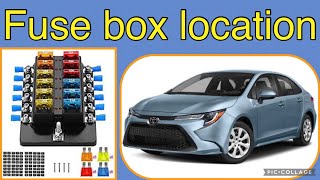
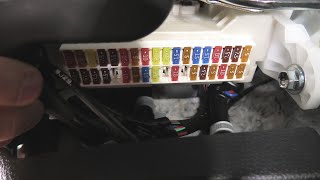
The main interior fuse box is located under the dashboard on the driver's side, typically to the left of the steering column. 🎬 Watch: How to find the interior fuse box location You may need to remove a lower dash trim panel to access it easily.
Can I replace this part myself?
An experienced DIY mechanic can physically swap the module, as it involves removing trim and disconnecting electrical connectors. However, the vehicle will not function correctly until the module is programmed. Therefore, a trip to a shop capable of programming is unavoidable, making this a difficult DIY project to complete from start to finish.
How do I know if it's a bad fuse or the whole fuse box?
If only one specific, non-critical item stops working (like the cigarette lighter or a single interior light), check its fuse first. The fuse diagram is usually on the back of the fuse box cover or in the owner's manual. If multiple, unrelated systems are failing at once, especially if the problems are intermittent, it's more likely to be the entire BCM/fuse box assembly.
Helpful Videos
Technical Specifications
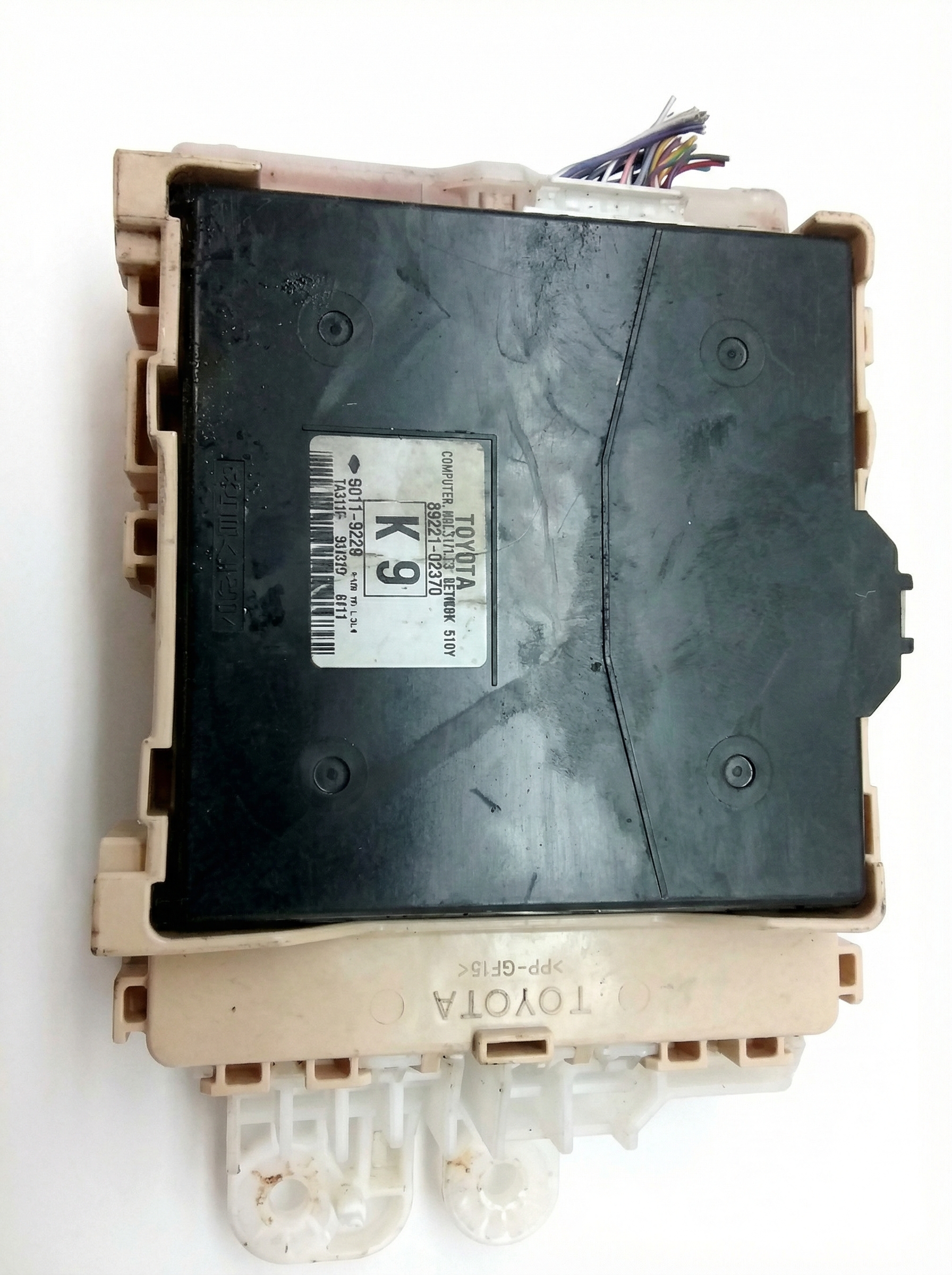
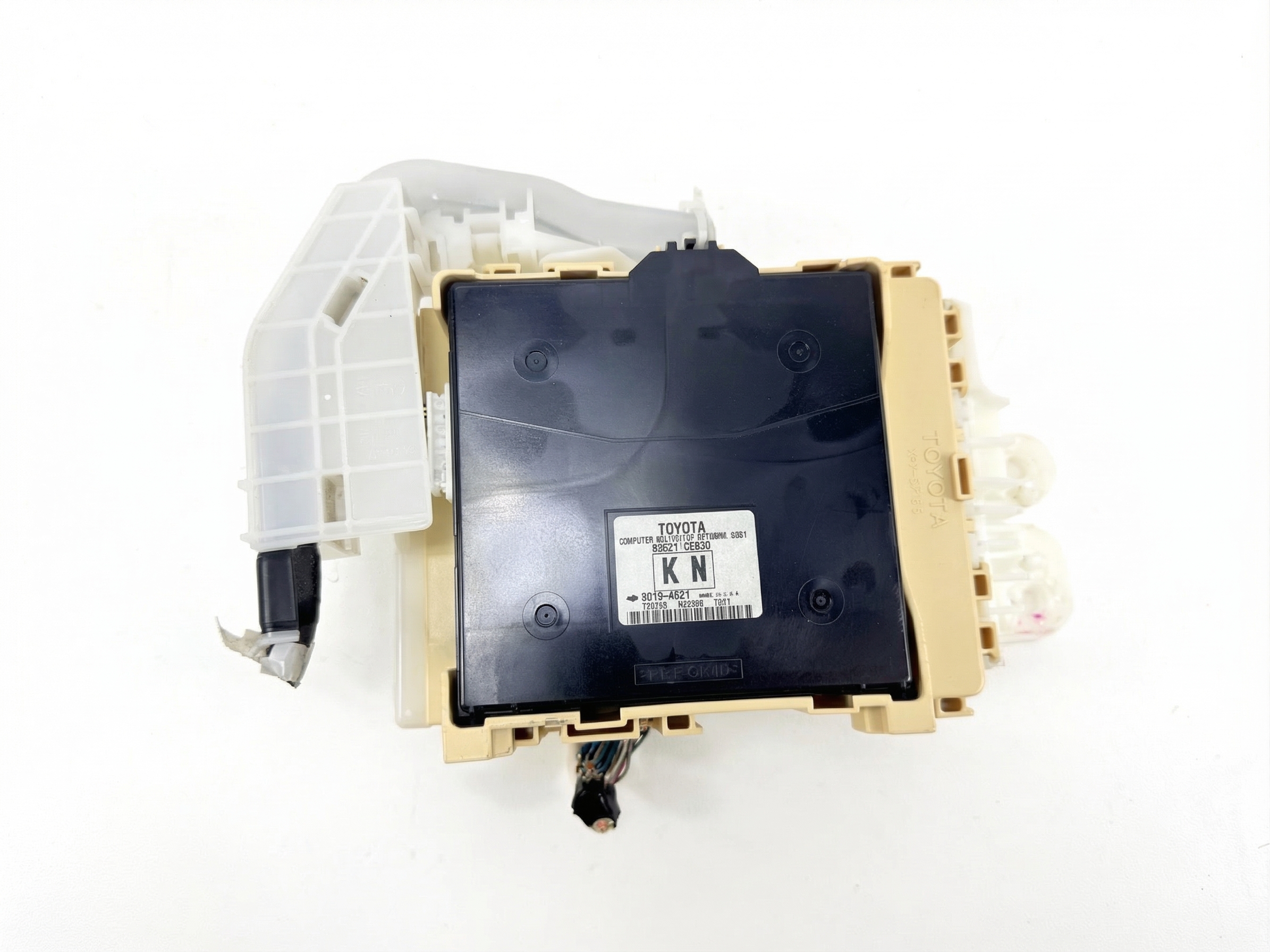
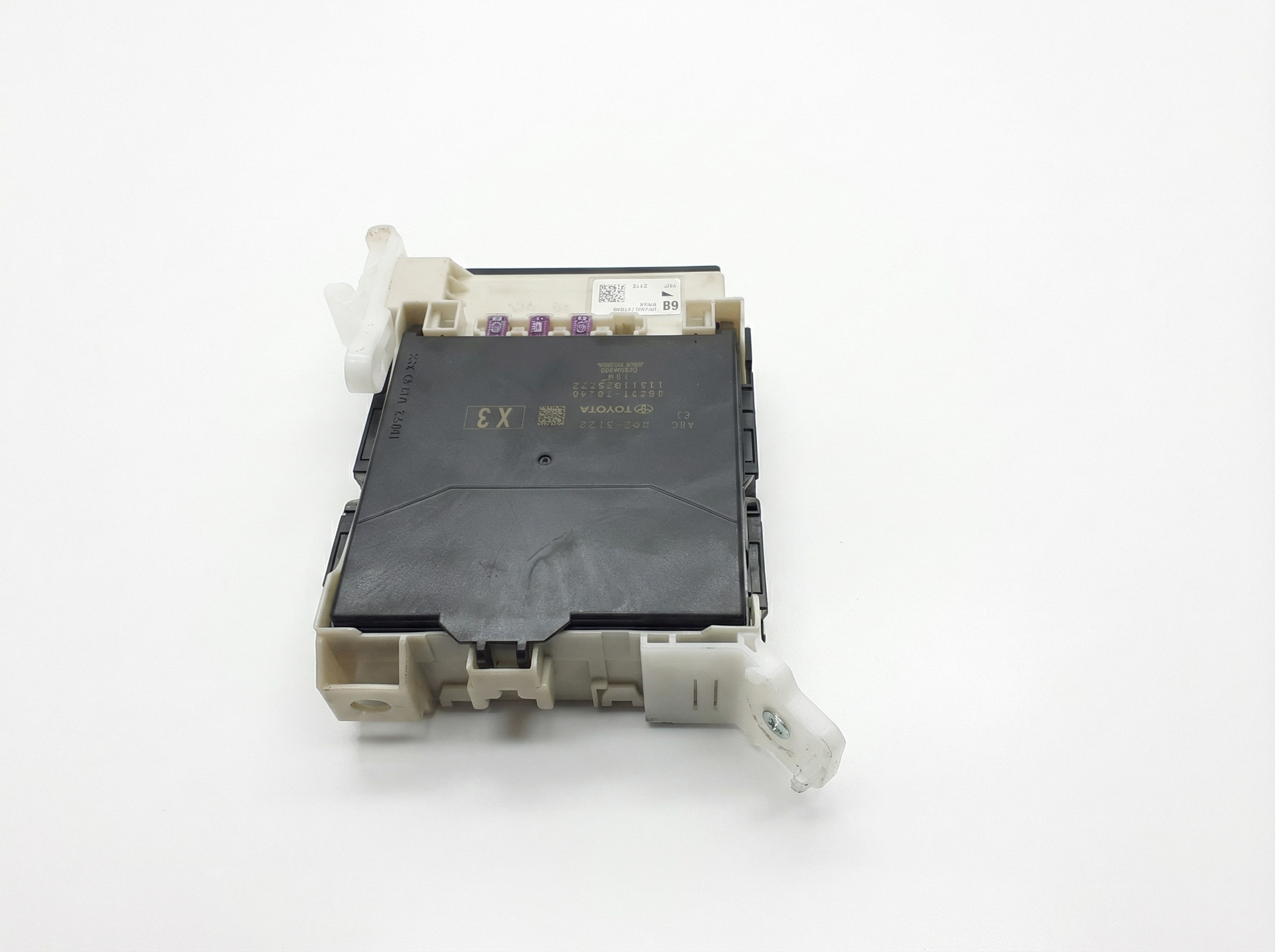
OEM Part Numbers: 82730-02F41 82730-02N10 82730-02N11 89221-02580 89221-02630 89220-12830 89220-12B80 89220-12F51
Integrated Body Control Module (BCM). Requires vehicle-specific programming.
We Have This Part in Stock


The information in this article is provided for general reference and educational purposes only. Vehicle specifications, procedures, and part compatibility can vary by production date, trim level, and region. Always consult your vehicle's factory service manual and verify part numbers before purchasing or performing repairs. Safety-critical components such as airbags, seat belts, and braking systems should be installed by a qualified professional.
- Toyota Corolla:
- 🎬 Helpful Videos
- 🛍️ Shop This Part
- Critical Warning: Programming is Required
- Symptoms of a Failing Corolla Fuse Box / BCM
- Known Issues, Recalls, and Service Bulletins
- Buying a Used 2019-2022 Corolla Fuse Box
- 1. Match the Part Number EXACTLY
- 2. Inspect for Damage
- 3. Budget for Programming
- Cost Comparison for Replacement
- Frequently Asked Questions (FAQ)
- 🎟️ Get 5% Off