

2007-2017 Toyota Camry Fuse Box: Engine Bay and Interior Guide
A complete reference for identifying, diagnosing, and replacing the engine bay and interior fuse boxes in your 2007-2017 Toyota Camry, including critical engine-specific details.
- The fuse box must be matched to your Camry's specific engine (2.4L, 2.5L, or 3.5L V6) as they are not interchangeable.
- No programming is required for a replacement fuse box on 2007-2017 Camry models, making a used OEM part a great value.
- Most failures are due to physical damage, corrosion from water intrusion, or internal short circuits, not electronic module failure.
- When buying used, inspect carefully for melted plastic, corrosion on the pins, and cracks in the housing.
Understanding Your Camry's Fuse Boxes: Engine vs. Interior

The 2007-2017 Toyota Camry is equipped with two primary fuse boxes. It's important to know which one you're dealing with when diagnosing an issue.
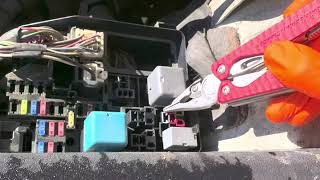
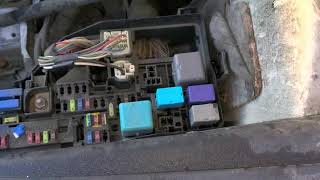
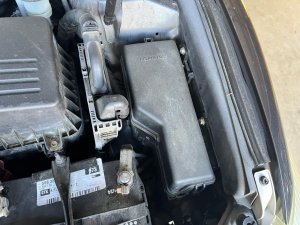
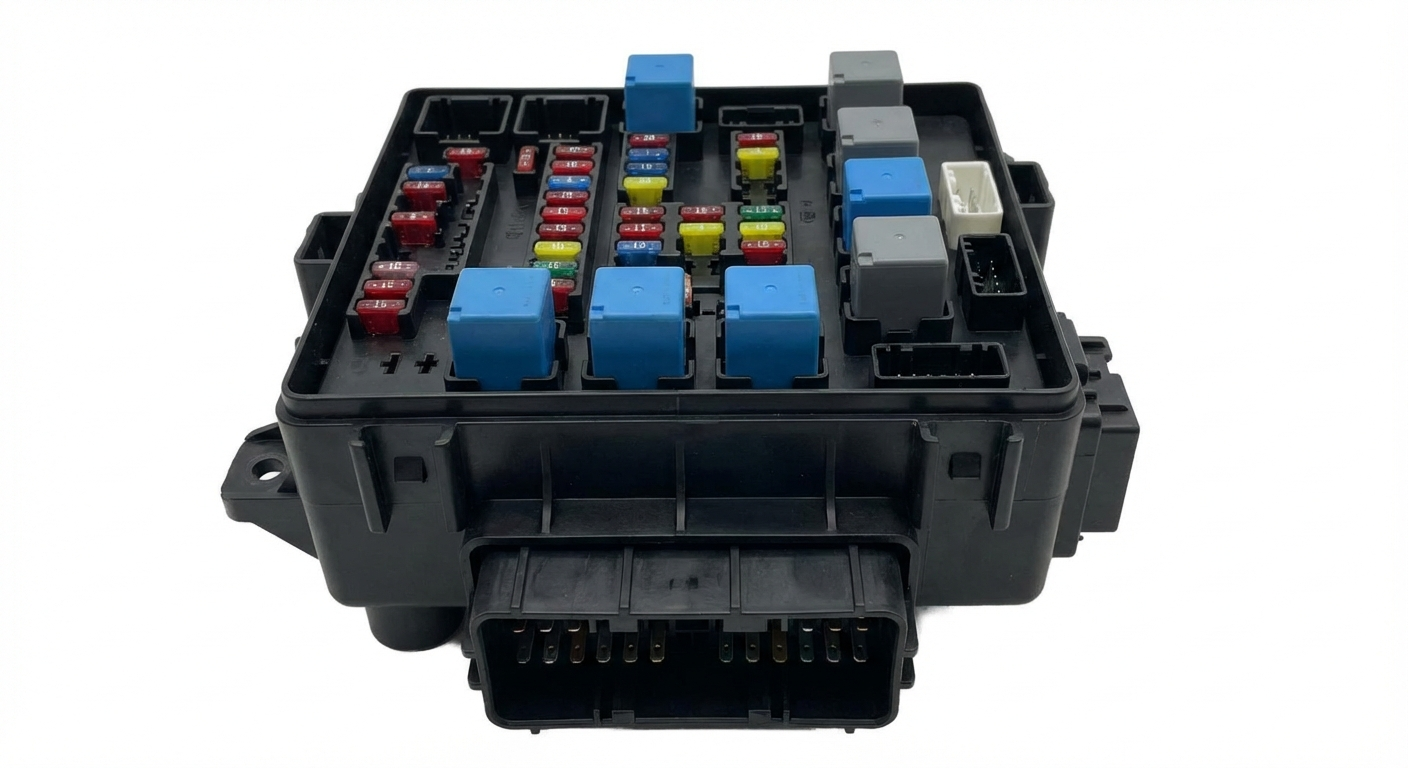
🎬 Watch: Locate your Camry's engine and interior fuse boxes- Engine Compartment Fuse Box: Located in the engine bay, usually on the driver's side near the battery. This box contains high-amperage fuses and relays for critical systems like the engine, cooling fans, starter, headlights, and the alternator. It is often referred to as the 'Fusible Link Block' or 'Relay Box'.
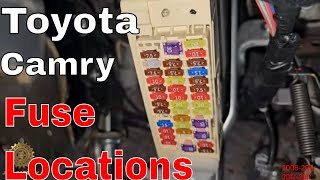
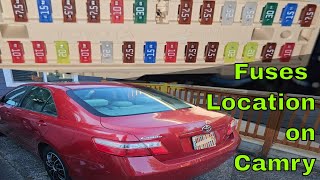
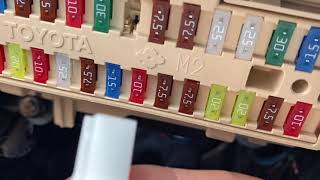
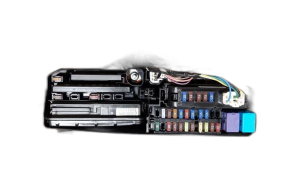
- Interior Fuse Box (Junction Block): Found inside the car, under the driver's side dashboard, often above the foot-operated parking brake. This panel manages fuses for interior accessories like the radio, power outlets, dome lights, power windows, and air conditioning controls.
Symptoms of a Failing Fuse Box

While a single blown fuse usually points to a problem with a specific component, a failing fuse box can cause more widespread and confusing electrical problems.
1. Multiple, Unrelated Electrical Failures
If several different electrical systems stop working at once—for example, the radio, interior lights, and power windows all fail simultaneously—it could point to a problem within the fuse box itself rather than individual fuses.
2. Frequently Blowing Fuses
A fuse is designed to blow when a circuit is overloaded. However, if you find yourself replacing the same fuse repeatedly, it could indicate a short circuit within the fuse box's wiring or a poor connection at the fuse terminal.
3. Visible Damage, Corrosion, or Melting
Physical inspection is key. Look for signs of white or green corrosion on the terminals, melted plastic around the fuse or relay sockets, or burn marks. These are clear indicators that the fuse box has been compromised by heat or moisture and needs replacement.
4. Loose Fuses or Relays
Fuses and relays should fit snugly into their sockets. If they feel loose, wiggle, or fall out easily, the internal terminals of the fuse box are likely worn or damaged. This creates a poor connection, leading to intermittent power and potential for overheating.
5. No-Start or Intermittent Starting
A problem with the main fusible links or the starter relay circuit in the engine bay fuse box can prevent the car from cranking or starting. You might hear a click from a relay but no action from the starter motor. This can be caused by corrosion or a break in the main power distribution paths within the box.
🎬 See how to troubleshoot starter fuses and relaysWarning: A burning smell coming from under the hood or dash is a serious symptom. Pull over immediately and disconnect the battery when safe to do so. This can indicate a severe short circuit that poses a fire risk.
Known Issues, Recalls, and TSBs
While there are no widespread recalls specifically for the fuse box assembly on the 2007-2017 Camry, some related electrical issues are worth noting:
- Recall 12V-491 (Power Window Master Switch): Affecting 2007-2009 Camry models, this recall addressed an issue where the driver's power window master switch could develop a 'sticky' feeling, potentially leading to a short circuit. The fix involved applying special grease or replacing the switch circuit board. While not a fuse box issue, it highlights the sensitivity of the vehicle's electrical systems.
- Recall for Air Bag Control Module (2012-2013 Models): A clogged A/C condenser drain hose could cause water to leak onto the airbag control module, leading to a short circuit. This type of water intrusion is a common enemy of all vehicle electronics, including fuse boxes, emphasizing the need to keep the area dry.
No specific Technical Service Bulletins (TSBs) directly related to widespread fuse box failure were found during research. Most issues are isolated incidents of wear, corrosion, or damage.
Buying a Used Fuse Box: What to Look For

A used OEM fuse box is an excellent, cost-effective alternative to an expensive new unit, especially since this part does not require programming. However, careful inspection is crucial.
1. Match Part Numbers and Engine Type EXACTLY
This is the most critical step. The fuse box is specific to the engine and trim level. The initial warnings are correct: there are different fuse boxes for the 2.4L, 2.5L, and 3.5L V6 engines. Always match the part number from your original fuse box to the used replacement. Do not rely on visual appearance alone.
2. Inspect for Corrosion and Water Damage
Examine all metal pins and terminals inside the sockets. Look for any signs of green or white powder (corrosion) or rust-colored water stains. A fuse box with any sign of moisture intrusion should be rejected immediately.
3. Check for Physical Damage
Inspect the plastic housing for cracks, especially around the mounting tabs and on the cover. A cracked housing can let in moisture, leading to future failure. Ensure all connector locks and clips are intact and not broken off.
4. Understand What You're Buying
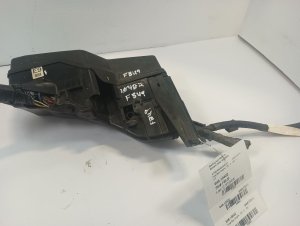
Most used fuse boxes are sold as the 'housing only'. This means you will need to carefully transfer all of your existing fuses and relays into the new box. This is often preferable as you know the history of your own components. The part being replaced is the plastic and metal block itself, which contains the internal wiring that fails.
Pro Tip: Before unplugging the connectors from your old fuse box, take clear photos from multiple angles. This will be an invaluable reference to ensure you plug everything back into the correct location on the replacement unit.
Programming and Installation
Good news: The fuse boxes for the 2007-2017 Toyota Camry do not require any programming or flashing. This is a simple component swap. The vehicle's immobilizer and anti-theft systems are not tied to the fuse box. Replacement is a straightforward mechanical process:
- Disconnect the Battery: Always disconnect the negative battery terminal before working on any part of the electrical system.
- Remove the Cover: Unclip the fuse box cover.
- Unplug Connectors: Carefully unplug all electrical connectors going into the sides and bottom of the fuse box. Most have a release tab that must be pressed.
- Unbolt the Box: Remove the bolts that secure the fuse box to the vehicle's chassis.
- Swap Fuses & Relays: Transfer all fuses and relays from the old box to the replacement box one by one to avoid mix-ups. Use a fuse puller for easier removal. 🎬 Watch: A quick guide on how to check fuses properly
- Install in Reverse Order: Bolt the new box in place, reconnect all electrical plugs, re-install the cover, and finally, reconnect the battery.
Cost Comparison
Prices can vary based on engine type and location. The following is an estimated breakdown:
| Part Type | Estimated Cost | Notes |
|---|---|---|
| New OEM | $90 - $400+ | Price varies significantly between the interior junction block and the engine bay fusible link block. |
| New Aftermarket | $75 - $250 | Quality can be inconsistent. OEM is generally recommended for fit and reliability. |
| Used OEM | $50 - $175 | Excellent value. Sourced from salvage vehicles. Inspection is key. |
| Shop Labor | $100 - $250 | Typically 1-2 hours of labor for a professional to swap the unit. |
Frequently Asked Questions
Do I need to program a replacement fuse box for my Camry?
No. For 2007-2017 Toyota Camry models, the fuse box is a non-programmable part. Replacement is a direct swap without the need for dealer tools or software.
Why do my fuses keep blowing?
If a single fuse blows repeatedly, it's usually due to a short circuit in the component or wiring that the fuse protects. If multiple different fuses are blowing, it could be a sign of a problem within the fuse box itself, like an internal short or water damage.
Can I drive with a bad fuse box?
It is not recommended. A faulty fuse box can cause critical systems like headlights, brake lights, or even the engine's control unit to fail without warning, making the vehicle unsafe to operate.
My used fuse box didn't come with fuses or relays. What do I do?
This is normal. You are expected to transfer the fuses and relays from your old fuse box to the replacement. This is often a simple process. Carefully remove them one by one, noting their location, and insert them into the corresponding slots in the new box. A diagram is usually printed on the inside of the fuse box cover.
Where are the fuse boxes located on my Camry?
There are two. The main engine compartment fuse box is under the hood on the driver's side. The interior fuse box is located under the driver's side dashboard, usually to the left of the steering column.
Helpful Videos
Technical Specifications
OEM Part Numbers: 8262033050 8266206060 8266206070 8266206110 8266233140 8266233150 8266333070 8274033010 8274033020 8274033030 8274033050 8273006752 8272033071 8262007050
Vehicle has two fuse boxes: one in the engine compartment (often called a Fusible Link Block or Relay Box) and one in the interior cabin under the driver's dash (often called a Junction Block). Compatibility is dependent on the vehicle's engine size (2.4L, 2.5L, 3.5L V6) and specific options.
We Have This Part in Stock

The information in this article is provided for general reference and educational purposes only. Vehicle specifications, procedures, and part compatibility can vary by production date, trim level, and region. Always consult your vehicle's factory service manual and verify part numbers before purchasing or performing repairs. Safety-critical components such as airbags, seat belts, and braking systems should be installed by a qualified professional.
- Toyota Camry:
- 🎬 Helpful Videos
- 🛍️ Shop This Part
- Understanding Your Camry's Fuse Boxes: Engine vs. Interior
- Symptoms of a Failing Fuse Box
- 1. Multiple, Unrelated Electrical Failures
- 2. Frequently Blowing Fuses
- 3. Visible Damage, Corrosion, or Melting
- 4. Loose Fuses or Relays
- 5. No-Start or Intermittent Starting
- Known Issues, Recalls, and TSBs
- Buying a Used Fuse Box: What to Look For
- 1. Match Part Numbers and Engine Type EXACTLY
- 2. Inspect for Corrosion and Water Damage
- 3. Check for Physical Damage
- 4. Understand What You're Buying
- Programming and Installation
- Cost Comparison
- Frequently Asked Questions
- 🎟️ Get 5% Off