

2016-2020 Tesla Model S & Model X 12V Fuse Box: Solving Electrical Gremlins
This guide covers the common failures, locations, and replacement requirements for the 12-volt fuse boxes in the 2016-2020 Tesla Model S and Model X.
- There are two main 12V fuse boxes: an Underhood box (frunk) and a Cabin box (interior). They are not interchangeable.
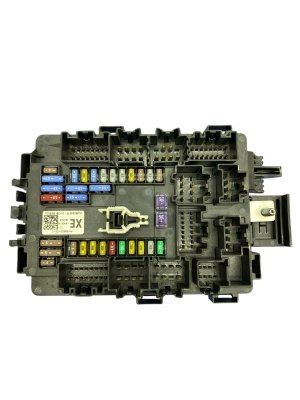
- The Cabin Fuse Box (part # 1094409-xx-x) acts as a control module and REQUIRES programming by Tesla or a specialist after installation.
- Water intrusion and corrosion are common causes of failure; always inspect a used part carefully for any signs of moisture damage.
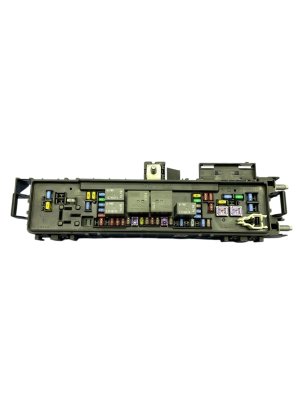
- The Underhood Fuse Box (part # 1094405-xx-x) may require swapping the lower housing from the old unit onto the new one due to a mirrored connector design on some replacements.
Understanding the Fuse Box System in Your Tesla

Unlike traditional cars with a single main fuse box, the 2016-2020 Tesla Model S and Model X utilize a distributed system with two primary low-voltage fuse boxes. It is crucial to identify which box is causing issues. Both are shared between the Model S and Model X platforms from this era, but their locations can differ.
- Underhood Fuse Box (Frunk): Located in the front trunk under a cover, this box handles high-current 12V circuits like power steering, ABS, and feeds to the cabin. It is identifiable by part numbers starting with 1034405 or 1094405.
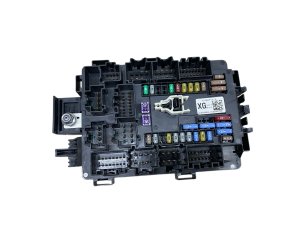
- Cabin Fuse Box: This unit is more than just a fuse holder; it's an intelligent junction box or body control module that manages many of the vehicle's interior electronic features. It is typically identified by part numbers starting with 1094409.
This guide will focus primarily on the Cabin Fuse Box, as its failure often causes a wider range of intermittent electronic issues and has specific replacement requirements. We will also cover key details about the Underhood Fuse Box.
Symptoms of a Failing 12V Fuse Box

A failing fuse box often creates bizarre and seemingly unrelated electrical problems. Because it controls so many different circuits, a single internal fault can have widespread effects.
🎬 See how these strange electrical failures look during a real diagnosis.- Multiple Accessory Failures: One of the most common signs is when several components stop working at once. This could include power windows, interior lights, the radio, seat heaters, or the 12V power outlets.
- Intermittent Component Function: You might find that certain features work one moment and not the next. This can be caused by corrosion or a cracked solder joint inside the fuse box creating a poor connection.
- Warning Lights on the Dash: A failing fuse box can trigger warnings for the Tire Pressure Monitoring System (TPMS), ABS, or Traction Control if the modules for those systems lose power or communication.
- Blown Fuses: While a single blown fuse is normal, if a new fuse for the same circuit blows immediately or repeatedly, it may indicate a short within the fuse box itself rather than the component.
- Visible Corrosion or Water Damage: Water intrusion is a known enemy of vehicle electronics. On early Model S vehicles, the A/C drain hose could sometimes drip onto high-voltage components, leading to rust on fuse box covers and moisture getting inside. Any sign of white or green crust on the connectors or pins is a major red flag.
Warning: A burning plastic smell from under the dash or in the frunk is a critical warning sign. It could indicate an overheating relay or a short circuit within the fuse box. Stop driving the vehicle and disconnect the 12V battery to prevent a potential fire.
Compatibility and Part Numbers (2016-2020)

Compatibility is critical when sourcing a replacement fuse box. Always verify the part number from your original unit before ordering a used part. These parts are for the 'pre-refresh' Model S and Model X and will not fit the redesigned 2021 and newer models.
Cabin Fuse Box (Part # 1094409-xx-x)
This module is located inside the passenger compartment. Its location varies by model:
- 2016-2020 Tesla Model S: Located on the front passenger's side, behind the kick panel or sill panel by the floor. 🎬 Watch this step-by-step walkthrough for replacing the cabin module.
- 2016-2020 Tesla Model X: Located on the driver's side, to the right of the accelerator pedal, 🎬 Watch this quick guide to accessing and replacing interior fuses. behind the center console side trim.
Known part numbers include 1094409-00-E, 1094409-00-G, 1094409-01-E, and 1094409-01-G. The final letter indicates a revision, with later letters in the alphabet representing newer versions. It is generally safe to install a newer revision (e.g., replacing an '-E' with a '-G').
Underhood Fuse Box (Part # 1094405-xx-x)
This fuse box is located in the frunk (front trunk) of both the Model S and Model X, under the main plastic cover near the windshield. Known part numbers include 1094405-02-D and 1094405-02-E.
Important Rework Procedure: According to Tesla's official service manual, some replacement underhood fuse boxes (part numbers 1034405 or 1094405) have a mirrored center connector. For these replacements, you must swap the lower housing from your original fuse box onto the new one. Failure to do this will result in an incompatible part.
Buying a Used Fuse Box: What to Look For
A used OEM fuse box can be a reliable and cost-effective solution, especially since quality aftermarket options are nonexistent. Here’s what to check:
- Match the Part Number Series: Do not interchange an Underhood box (1094405) with a Cabin box (1094409). They serve different functions and are not compatible. Match your original part number as closely as possible.
- Inspect for Corrosion: This is the most important check. Carefully examine all electrical pins and connectors. Look for any white, green, or blueish powder or discoloration. Do not buy a fuse box with any signs of water damage.
- Check for Melted Plastic: Look closely at the sockets where fuses and relays plug in. Any melted or deformed plastic indicates a past overheating event, and the box should be rejected.
- Verify the Source Vehicle: If possible, avoid parts from flood-damaged vehicles. A reputable recycler will provide the VIN of the donor car, which you can use to check its history.
Programming and Installation Requirements

This is the most critical question for any electronic module replacement.
The Cabin Fuse Box (1094409-xx-x) requires programming. After physical installation, the vehicle's configuration must be updated to recognize the new module. This procedure typically requires Tesla's proprietary "Toolbox" diagnostic software. While a DIYer can physically swap the part, the final programming step will likely require a visit to a Tesla Service Center or a qualified independent repair shop that specializes in Teslas and has access to the necessary software.
The Underhood Fuse Box (1094405-xx-x) is generally considered a more straightforward replacement and may not require software programming, but you must pay close attention to the potential need for the rework procedure mentioned above.
Pro Tip: Before starting the replacement, perform a full 12V power disconnect procedure as outlined by Tesla. This involves disconnecting the 12V battery and the main high-voltage disconnect. This is a critical safety step.
Cost Comparison
Pricing for these components can vary, but here is a general expectation:
| Part/Service | Estimated Cost |
|---|---|
| New OEM (from Tesla) | Not sold directly to consumers; requires service center visit. |
| Used OEM (Salvage/Recycled) | $80 - $300 |
| Shop Labor (Replacement) | $150 - $300 |
| Shop Labor (Programming) | $100 - $250 (May be included with replacement cost at a specialist) |
Recalls and Service Bulletins
As of early 2026, there are no specific NHTSA recalls for the 12V fuse boxes on the 2016-2020 Tesla Model S or Model X. Most recalls for these vehicles have been related to software-correctable issues (like FSD behavior or warning light fonts) or other mechanical components like power steering.
Frequently Asked Questions (FAQ)
Do I have to program a used Tesla fuse box?
Yes, if you are replacing the Cabin Fuse Box (part numbers starting with 1094409), programming is required to sync the new module with your vehicle's configuration. This usually requires a visit to a Tesla Service Center or a specialized independent shop.
Can a fuse box from a Model X work in a Model S?
Yes, provided the part numbers match. The Model S and Model X from 2016-2020 share the same platform and many electrical components, including the fuse boxes. However, always confirm the exact part number from your original unit before purchasing.
What is the main cause of fuse box failure in these Teslas?
Aside from random electronic failure, water intrusion is a significant cause. Corrosion on the internal circuit board or external pin connectors can lead to intermittent connections and widespread electrical issues.
Can I just replace a blown fuse instead of the whole box?
Yes, if a single component isn't working, you should always check its specific fuse first. Fuse diagrams are available online. However, if replacing the fuse doesn't solve the problem, or if the new fuse blows right away, the fault may lie within the fuse box itself or the wiring.
Helpful Videos
Technical Specifications
OEM Part Numbers: 1094405-02-D 1094405-02-E 1094409-00-E 1094409-00-G 1094409-01-E 1094409-01-G 109440901E
System Voltage: 12V DC. Controls various low-voltage vehicle systems.
We Have This Part in Stock

The information in this article is provided for general reference and educational purposes only. Vehicle specifications, procedures, and part compatibility can vary by production date, trim level, and region. Always consult your vehicle's factory service manual and verify part numbers before purchasing or performing repairs. Safety-critical components such as airbags, seat belts, and braking systems should be installed by a qualified professional.
- Tesla Model X:
- Tesla Model S:
- 🎬 Helpful Videos
- 🛍️ Shop This Part
- Understanding the Fuse Box System in Your Tesla
- Symptoms of a Failing 12V Fuse Box
- Compatibility and Part Numbers (2016-2020)
- Cabin Fuse Box (Part # 1094409-xx-x)
- Underhood Fuse Box (Part # 1094405-xx-x)
- Buying a Used Fuse Box: What to Look For
- Programming and Installation Requirements
- Cost Comparison
- Recalls and Service Bulletins
- Frequently Asked Questions (FAQ)
- 🎟️ Get 5% Off