

2005-2010 Scion tC & 2008-2010 Scion xD Engine Fuse Box: Solving Electrical Gremlins
A complete guide to diagnosing, replacing, and sourcing a used engine bay fuse box for the first-generation Scion tC and the Scion xD.
- This engine fuse box fits the 2005-2010 Scion tC and 2008-2010 Scion xD.
- No programming is required for replacement; it is a plug-and-play part.
- Symptoms of failure often involve multiple, unrelated electrical systems failing at once or a no-start condition.
- When buying a used unit, you must transfer all fuses and relays from your original box to the replacement.
Symptoms of a Failing Fuse Box

A bad fuse box often creates symptoms that can be mistaken for a dead battery or a faulty alternator. Because it is the source of power for many unrelated components, failures can seem random. Look for these common signs:
- Multiple Unrelated System Failures: The most common symptom. For example, the radio, interior lights, and power windows may stop working at the same time.
- No-Crank, No-Start Condition: You turn the key, the dash lights may or may not come on, but the engine does not crank. 🎬 Watch: How to diagnose a no-crank, no-start issue This can happen if the internal connections for the starter relay or ignition circuits are damaged.
- Engine Cranks but Won't Start: If the fuse box fails to supply power to the fuel pump or engine computer, the engine will turn over but never fire up.
- Visible Damage or Burning Smell: A distinct smell of burning plastic from under the hood is a serious sign. A visual inspection may reveal melted plastic around fuse or relay sockets, scorch marks, or white/green corrosion from water intrusion.
- Intermittent Electrical Problems: Lights that flicker, gauges that drop out randomly, or a radio that cuts in and out can be caused by a loose or corroded connection inside the fuse box.
- "Christmas Tree" Dash Lights: On the Scion xD in particular, owners have reported multiple warning lights like the Check Engine Light, VSC, and Traction Control illuminating simultaneously due to underlying electrical faults.
Known Issues, Recalls, and TSBs
There are no active recalls or widespread Technical Service Bulletins (TSBs) issued by Toyota specifically for fuse box failure on the 2005-2010 Scion tC or 2008-2010 Scion xD. Failures are typically isolated incidents caused by age, moisture, or previous electrical modifications.
While not related to the fuse box itself, a recall for the power window master switch was issued for some of these vehicles, which can also cause electrical issues, including a risk of fire from the switch overheating. It is wise to ensure this recall has been performed on your vehicle.
Pro Tip: Before condemning the fuse box, always check the basics first. Ensure your battery is fully charged and its terminals are clean and tight. A weak or failing battery can cause many of the same bizarre electrical symptoms as a bad fuse box.
Buying a Used Fuse Box: What You Need to Know

Because this part does not require programming, a used OEM fuse box is an excellent and cost-effective solution. New aftermarket copies of this entire assembly are generally not available. Here’s what to look for when buying used:
- Match the Part Number: While the fuse box is shared between the tC and xD, it's always best practice to match the primary part number. The main box is typically stamped with a number like 82741-21030. Verify this on your original part before ordering.
- Physical Inspection is Key: When you receive the used part, inspect it carefully before installation. Look for any signs of melting, especially around the large, high-amperage fuse slots. Check for white or green crusty corrosion on the terminals. Look at the underside for cracks or signs of heat damage.
- It's a "Bare" Box: As the original buyer warnings state, used fuse boxes are almost always sold as a bare unit. You MUST transfer all the fuses and relays from your old box to the replacement one. Do not assume the fuses in the used box are correct for your car's trim level or options.
- Transfer Fuses and Relays Carefully: Take a clear photo of your original fuse box before you start removing anything. Transfer the fuses and relays one by one to ensure they go back into the correct slots in the new box. A pair of fuse pullers or needle-nose pliers makes this job much easier.
Replacement Overview

Replacing the engine bay fuse box is straightforward for a DIY mechanic with basic tools. The box is located in the engine compartment, typically near the battery.
- Disconnect the Battery: Always disconnect the negative battery terminal before working on any major electrical components.
- Remove Covers: Unclip and remove the main fuse box cover.
- Disconnect Main Power Feeds: There will be one or more large-gauge wires bolted to the side of the fuse box that come from the battery and alternator. Remove the nuts and detach these wires.
- Release Wiring Harnesses: There are several large electrical connectors on the underside of the fuse box. Each has a locking tab that must be depressed or released to unplug it.
- Unbolt the Box: The fuse box assembly is typically held to the vehicle's chassis with a few bolts. Remove them.
- Swap and Reassemble: Lift the old box out. Carefully transfer all fuses and relays to the replacement box. Install the new box by following the steps in reverse. 🎬 Watch: Step-by-step vehicle fuse box replacement walkthrough
Cost of Replacement
Pricing can vary by location and supplier, but here is a general cost estimate:
| Part Type | Estimated Cost |
|---|---|
| New OEM | $115 - $160 (for the bare box) |
| New Aftermarket | Not generally available as a complete assembly |
| Used OEM | $75 - $150 |
| Shop Labor | $120 - $200 (approx. 1-1.5 hours) |
Frequently Asked Questions (FAQ)

Does a replacement fuse box need to be programmed?
No. The engine bay fuse box for the 2005-2010 Scion tC and 2008-2010 Scion xD is a non-intelligent power distribution center. It does not contain any software or vehicle-specific data and is a direct plug-and-play replacement.
Where are the fuse boxes located on my Scion?
These vehicles have two fuse boxes. The main one, which is the subject of this article, is in the engine bay near the battery. A second fuse box for interior circuits is located inside the cabin, under the dashboard on the driver's side.
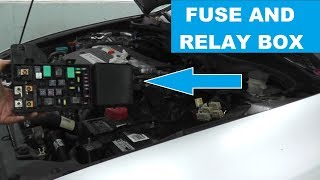
🎬 See this video to locate your fuse boxesCan I just replace the melted part of my fuse box?
No. The internal connections of the fuse box are a single, integrated unit. If a specific terminal or section has melted, the entire fuse box assembly must be replaced. The plastic housing and the metal bus bars inside are not serviced separately.
Why do I have to swap my old fuses and relays into the used box?
A vehicle's fuse and relay layout can vary based on its specific trim level and factory options (e.g., sunroof, premium audio, fog lights). The used fuse box you buy comes from a donor car that may have had different options. To ensure every feature in your car works correctly and is protected by the proper amperage fuse, you must use the exact set of fuses and relays from your original unit.
Helpful Videos
Technical Specifications
OEM Part Numbers: 82741-21030 82741-21040 82662-21050 82662-21060 82662-21061 82663-21010 82663-21020
This is a non-electronic power distribution module. It contains internal bus bars, sockets for blade fuses (Mini/ATM), and sockets for various automotive relays.
We Have This Part in Stock



The information in this article is provided for general reference and educational purposes only. Vehicle specifications, procedures, and part compatibility can vary by production date, trim level, and region. Always consult your vehicle's factory service manual and verify part numbers before purchasing or performing repairs. Safety-critical components such as airbags, seat belts, and braking systems should be installed by a qualified professional.
- Scion tC:
- Scion xD: