

Ram Fuse Box & BCM Failure (2013-2024): Symptoms, Programming, and Replacement Guide
This in-depth guide covers the common electrical failures, symptoms, and critical programming steps for the fuse box and Body Control Module (BCM) in 2013-2018 Ram 1500, 2500, 3500 and 2019-2024 Ram 1500 Classic trucks.
- A replacement BCM is NOT plug-and-play; it MUST be programmed to your truck's VIN and options to avoid a no-start condition.
- This module is for V8 engine models ONLY and will not work in a V6 truck.
- Water intrusion from a leaky windshield is a primary cause of failure; inspect the BCM for corrosion.
- Before replacing the BCM, always check the battery, grounds, and related fuses (F10, F12, F14, F23) first, as these can cause similar symptoms.
Understanding the Ram BCM and Fuse Box Assembly

For owners of the 2013-2018 Ram 1500, 2019-2024 Ram 1500 Classic, 2013-2018 Ram 2500, and 2013-2018 Ram 3500, it's important to understand that what looks like a simple fuse box under the hood is actually a complex electronic module. This unit, often called the Power Distribution Center (PDC) or Totally Integrated Power Module (TIPM) in some contexts, contains the Body Control Module (BCM). The BCM is a computer that manages a huge number of your truck's essential and convenience-related electrical functions. When it fails, it can cause a wide range of confusing and seemingly unrelated problems.
Compatibility Warning: This specific Body Control Module (BCM) is designed for vehicles with V8 engines only. It is not compatible with V6 models. Attempting to install this part in a V6 truck will result in system failures.
Known Issues and Common Causes of Failure

The most common cause of BCM failure in these Ram trucks is not internal component wear, but external factors. Understanding these can help in both diagnosis and prevention.
Water Intrusion
Water is the number one enemy of the BCM. In many Ram trucks, the BCM is located high in the driver's side dashboard area, above the parking brake pedal. A common point of failure is a water leak from an improperly sealed windshield, often occurring after a windshield replacement. Water drips down from the A-pillar or cowl area directly onto the BCM and its connectors, causing corrosion and short circuits. If you are experiencing random electrical issues after recent glass work, the BCM should be your primary suspect.
Electrical System Problems
While less common than water damage, other electrical issues can harm the BCM. A failing battery or alternator can cause voltage fluctuations that damage sensitive electronics. Improper jump-starting procedures can also send a damaging surge through the system. Always check the health of your battery and charging system before condemning the BCM, as a weak battery can mimic BCM failure symptoms.
Symptoms of a Failing Ram BCM

A bad BCM can make your truck feel possessed by electrical gremlins. Because it controls so many systems, you may experience multiple, seemingly unrelated issues at once.
- Erratic Lights: Headlights, taillights, or interior lights may flicker, stay on constantly, or fail to turn on at all.
- Power Window and Lock Failure: Windows may not roll up or down, and door locks may stop responding to the key fob or interior switches.
- Wipers Acting Up: Windshield wipers might turn on by themselves, run at the wrong speed, or not work when needed.
- HVAC Problems: The air conditioning or heater blower may stop working or run continuously.
- Dashboard Mayhem: Multiple warning lights may illuminate on the dash like a "Christmas tree," often with no actual mechanical fault. The outside temperature display might also show an incorrect reading, such as -40°F.
- Parasitic Battery Drain: A classic symptom is the battery dying overnight. The BCM may fail to put a system to sleep, causing a continuous power draw.
- No-Start Condition: As the BCM is tied into the vehicle's anti-theft and ignition systems, a complete failure can prevent the engine from starting.
- Communication Codes: A scan tool may reveal "U"-series codes, such as U0140 (Lost Communication With Body Control Module), which are a strong indicator of a BCM or network problem.
Diagnosing the Issue

Before spending money on a new module, perform these basic diagnostic steps:
- Check the Battery and Grounds: Ensure your battery is fully charged and the terminals are clean and tight. A weak battery is a common source of electrical problems. Inspect the main ground connections in the engine bay and under the dash for corrosion or looseness.
- Inspect Fuses: Check all fuses related to the BCM and the malfunctioning components. In the under-hood fuse box, pay special attention to fuses F10, F12, F14, and F23, which are often associated with the BCM. 🎬 See this video for locating specific BCM fuses
- Scan for Codes: Use an OBD-II scanner. While a basic code reader may not be sufficient, a more advanced scanner can communicate with the BCM and pull specific body ("B") and network ("U") codes that can pinpoint the issue.
- Check for Water Damage: Visually inspect the BCM and its wiring harnesses for any signs of corrosion, water stains, or a burnt smell. Wiggling the connectors while the truck is on can sometimes trigger the symptoms, indicating a poor connection or internal fault.
Pro Tip: The location of the BCM inside the dash makes it difficult to access. It is positioned above the parking brake pedal. You will likely need to remove the lower dash panel to gain access.
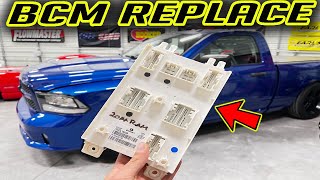
🎬 Watch: Step-by-step guide to replacing your Ram BCMProgramming and Calibration: The Most Critical Step

This is not a plug-and-play part. A replacement BCM, whether new or used, MUST be programmed to your truck's specific Vehicle Identification Number (VIN) and configured for its options (e.g., remote start, power-folding mirrors, lighting packages). The BCM is a key component of the vehicle's immobilizer (anti-theft) system. Failure to program it correctly will result in a no-start condition and numerous error messages.
Who Can Program a Ram BCM?
- Dealerships: A Ram dealer is the most reliable, albeit most expensive, option. They use the proprietary wiTECH software to download the correct configuration from FCA/Stellantis servers and write it to the new module.
- Qualified Independent Shops: Many independent auto repair shops that specialize in diagnostics have the necessary J2534 pass-through devices and software subscriptions (like wiTECH 2.0) to perform the programming.
- Advanced DIY Mechanics: For the technically savvy DIYer, software like AlfaOBD, paired with a high-quality OBD-II interface (like OBDLink MX+), can be used. The correct procedure involves connecting to the OLD module *before* removing it to back up the vehicle's configuration file. This file is then restored to the new (used) module after installation. 🎬 Watch: How to back up your BCM configuration using AlfaOBD This is an advanced procedure and should only be attempted by those comfortable with vehicle computer systems.
- Locksmiths: While some automotive locksmiths can program keys, programming a full BCM is a more complex task. Many may not have the specific tools required, but some with advanced diagnostic equipment might be able to.
Buying a Used Fuse Box / BCM
Purchasing a used OEM BCM can be a cost-effective solution, provided you take the right precautions. Given the complexity and programming requirements, a used OEM unit is often a more reliable choice than a new, unbranded aftermarket part.
- Match the Part Number: This is the most important step. While there are several superseding part numbers (e.g., 68089578AC through 68089578AI), it is always best to match the number on your original unit exactly. This increases the likelihood of a successful programming and configuration process.
- Physical Inspection: When you receive the used part, inspect it thoroughly. Look for any signs of corrosion on the connector pins, which would indicate it came from a vehicle with a water leak. Check for any cracks in the casing or burn marks.
- Budget for Programming: Remember that the cost of the part is not the final cost. You must factor in the price of having the module professionally programmed and installed. Call local dealers or qualified shops beforehand to get a quote for programming a customer-supplied module.
- Verify V8 Compatibility: Double-check that the donor vehicle had the same V8 engine as your truck.
Cost Comparison
| Part or Service | Estimated Cost |
|---|---|
| New OEM (Mopar) | $380 - $580 |
| Used OEM | $75 - $200 |
| New Aftermarket | $250 - $450 |
| Shop Labor (Installation & Programming) | $150 - $350 |
Frequently Asked Questions (FAQ)
Can I install the BCM myself and then drive it to the dealer for programming?
No. In most cases, the truck will not start after the BCM is replaced until it has been programmed. The BCM is linked to the anti-theft system, and a mismatch will prevent the engine from running. You will need to have the vehicle towed to the programming location.
What happens if I install a BCM from a truck with different options?
Even if you get the truck to start, you will likely have issues. Features your truck has might not work (like power-folding mirrors), or the BCM may report errors for features your truck doesn't have (like blind-spot monitoring). This is why restoring the original configuration from your old BCM or having a dealer program it by VIN is essential.
Is this the same as the TIPM that was recalled on older Ram trucks?
While it serves a similar function, this specific module in the 2013+ trucks is different from the TIPM that was the subject of major recalls and lawsuits in earlier (pre-2013) Dodge and Ram vehicles. However, it can still cause similar frustrating electrical problems when it fails.
My truck has a "Service 4WD" light. Could this be the BCM?
It's possible, but less likely to be the primary cause. The 4WD system is controlled by its own module (the Drivetrain Control Module or DTCM). While the BCM communicates with the DTCM, a "Service 4WD" light is more often caused by a fuse, the transfer case actuator, or the DTCM itself. However, if it appears along with many other unrelated electrical symptoms, the BCM could be the root cause.
Helpful Videos
Technical Specifications
OEM Part Numbers: 68089578AC 68089578AD 68089578AE 68089578AF 68089578AG 68089578AH 68089578AI
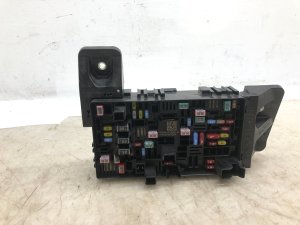
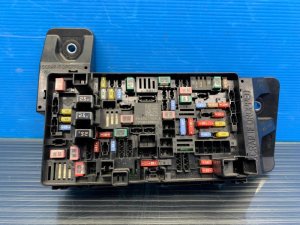
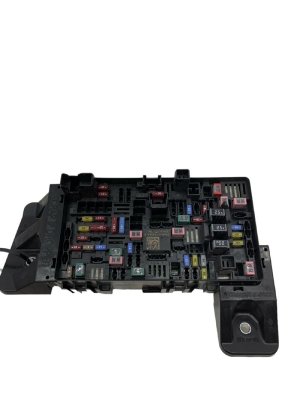
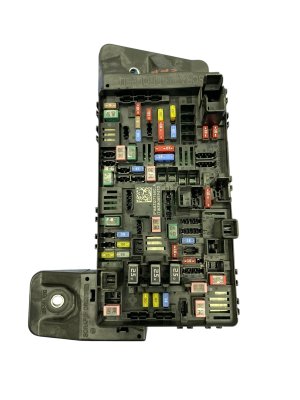
Integrated Power Distribution Center (PDC) and Body Control Module (BCM). For V8 engine applications only.
We Have This Part in Stock



The information in this article is provided for general reference and educational purposes only. Vehicle specifications, procedures, and part compatibility can vary by production date, trim level, and region. Always consult your vehicle's factory service manual and verify part numbers before purchasing or performing repairs. Safety-critical components such as airbags, seat belts, and braking systems should be installed by a qualified professional.
- Ram 1500:
- Ram 1500 Classic:
- Ram 2500:
- Ram 3500:
- 🎬 Helpful Videos
- 🛍️ Shop This Part
- Understanding the Ram BCM and Fuse Box Assembly
- Known Issues and Common Causes of Failure
- Water Intrusion
- Electrical System Problems
- Symptoms of a Failing Ram BCM
- Diagnosing the Issue
- Programming and Calibration: The Most Critical Step
- Who Can Program a Ram BCM?
- Buying a Used Fuse Box / BCM
- Cost Comparison
- Frequently Asked Questions (FAQ)
- 🎟️ Get 5% Off