

2019-2024 Porsche Cayenne Fuse Boxes: Locations, Issues, and Replacement
A complete guide to diagnosing, locating, and replacing the multiple fuse boxes in your 3rd generation Porsche Cayenne, including critical compatibility and programming information.
- The 2019-2024 Cayenne has multiple fuse boxes; you must identify the correct one before buying a replacement. Locations include the dash, footwell, and engine bay.
- Many electrical issues, including battery drain, are linked to a faulty Vehicle Tracking Module ('ConBox') or the specific needs of the lithium battery, not the fuse box itself.
- When buying a used fuse box, you must match the OEM part number exactly. These parts are shared with other VW Group vehicles like the Audi Q7.
- Simple interior fuse panels do not require programming, but a full system scan and reset is recommended after replacing any major electrical component.
Known Issues & Electrical Problems

The 3rd generation (9Y0) Porsche Cayenne is known for complex and sometimes sensitive electronics. 🎬 Watch: A breakdown of common 9Y0 Cayenne mechanical and electrical issues. While the fuse boxes themselves are generally reliable components, they are often at the center of diagnosing electrical issues. Many problems blamed on a 'bad fuse box' are actually caused by other related issues.
- Parasitic Battery Drain: A significant number of owners report issues with the vehicle's battery dying unexpectedly. A Technical Service Bulletin (TSB) was issued for some 2019-2021 models, identifying a faulty 'ConBox' (Vehicle Tracking Module) that could draw excessive current (around 400 mA) when the vehicle is parked, draining the battery in a matter of days. While not a fuse box failure, diagnosis often involves checking fuses and current draw at the fuse box.
- Lithium Battery Complications: The LiFePO4 (lithium) battery used in these models can enter a 'sleep mode' when discharged, which can be mistaken for a complete battery failure. Special chargers are required to wake and recharge these batteries. 🎬 Watch: How to fix common lithium battery sleep mode problems. Many electrical fault messages, such as "Vehicle electrical system error. Park vehicle safely," are triggered by low voltage from a drained battery rather than a component failure.
- Water Intrusion: Though less commonly reported on the 9Y0 generation compared to older models, clogged sunroof drains can lead to water leaking into the cabin. This can potentially damage electronic modules and fuse boxes located in the footwell areas. Any sign of moisture or corrosion in or around a fuse box is a major red flag.
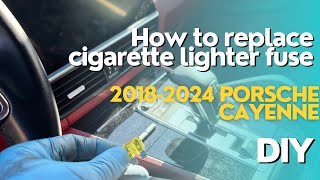
- Blowing Fuses: A repeatedly blowing fuse for a specific circuit, like a power socket, points to a short in that circuit or the device connected to it, not necessarily a fault in the fuse box itself. 🎬 See this DIY guide for replacing a blown cigarette lighter fuse.
Fuse Box Locations

The 2019-2024 Cayenne has several fuse box locations. Before ordering a replacement, you must identify which box has failed.
- Engine Compartment: A main high-power fuse box is located near the battery. This unit handles major vehicle systems.
- Instrument Panel (Left Side): A fuse box is located at the driver's side end of the dashboard, accessible by prying off a cover panel when the door is open.
- Instrument Panel (Right Side): A corresponding fuse box is located on the passenger side of the dashboard.
- Driver's Footwell: Another fuse panel is located under the driver's footrest or 'dead pedal'. Access requires removing a cover with a Torx T30 screw.
- Luggage Compartment: A fuse and relay box is installed on the left side of the rear cargo area, behind a cover panel.
Pro Tip: Fuse layouts can vary significantly based on model year and vehicle options. Owners on forums have reported that the fuse diagrams in the owner's manual do not always match the actual vehicle's configuration. Always verify a circuit with a multimeter before tapping a fuse for accessories like a dash cam.
Programming and Replacement

A key question for any electronic module is whether it requires programming after installation. For the Porsche Cayenne's fuse boxes:
- Simple Fuse Panels: The interior fuse panels (in the dash and footwell) are generally 'dumb' components. They are passive circuit protection devices and typically do not require programming. After replacement, it's a good practice to have a professional scan tool clear any low-voltage or communication fault codes that may have been stored during the failure or replacement.
- Main Power Distribution Box: The main fuse box in the engine bay (OEM numbers like PAB941824B / 4M0941824AR) is a more complex component. While it may not require VIN-specific programming in the same way a new engine control unit would, it is deeply integrated into the vehicle's power management system. Replacement should be followed by a full vehicle scan with a Porsche-specific tool (like PIWIS) to ensure all modules are communicating correctly and to perform any necessary system resets or adaptations.
Warning: Many electrical issues on these vehicles are software-related. Before condemning a physical part like a fuse box, ensure all relevant TSBs and software updates have been performed by a qualified dealer or specialist.
Buying a Used Fuse Box
Purchasing a used OEM fuse box is a cost-effective way to repair your Cayenne. Given the complexity of the vehicle, it is crucial to get the right part.
- Match Part Numbers Exactly: The most critical step is to match the OEM part number from your original fuse box to the used part. The provided part numbers (e.g., PAB941824B, 4M0941824AR) are shared across the VW/Audi group and used in models like the Audi Q7 and Lamborghini Urus. While physically identical, there could be minor internal differences, so matching the number is essential.
- Physical Inspection: When the used part arrives, inspect it carefully. Look for any signs of melted plastic around the fuse terminals, which indicates a past major short circuit. Check for any white or greenish powder, which is a sign of corrosion from water damage. The part should be clean and free of any obvious damage.
- Source Vehicle Information: If possible, get the mileage from the donor vehicle. A part from a low-mileage vehicle is always preferable.
- Why Used OEM is a Good Choice: For a component like a fuse box, a used OEM part is often superior to a new aftermarket one. The quality of the plastics, terminals, and construction meets Porsche's original factory standards. Aftermarket versions may not have the same durability or precise fit.
Cost Comparison
| Part Type | Estimated Cost |
|---|---|
| New OEM (Dealer) | $400 - $550+ |
| New Aftermarket | Not commonly available |
| Used OEM (Recycled) | $120 - $250 |
| Shop Labor (Diagnosis) | $122 - $179 |
| Shop Labor (Replacement) | $150 - $300 (depending on location) |
Frequently Asked Questions (FAQ)
How many fuse boxes are in a 2019-2024 Porsche Cayenne?
There are at least four main fuse box locations: one in the engine compartment, one on each side of the dashboard, one in the driver's footwell, and one in the luggage compartment.
Does a replacement fuse box need to be programmed?
Generally, the interior fuse panels do not require programming, but the main power distribution box under the hood may require system resets with a Porsche-specific scan tool after installation to ensure proper function and communication with other modules.
Can I replace a Cayenne fuse box myself?
Yes, for someone with DIY experience, replacing the interior fuse panels is feasible. They are typically held in by clips and a few screws. The main engine bay fuse box is also accessible. The most important step is to disconnect the vehicle's battery before starting any work on the electrical system.
Why are there so many electrical fault warnings on my dash?
In many cases, a cascade of electrical fault warnings on a modern Cayenne is caused by a low battery voltage, not multiple component failures. Before suspecting a bad fuse box, ensure your vehicle's lithium battery is fully charged using a compatible charger and has been tested.
Helpful Videos


Technical Specifications
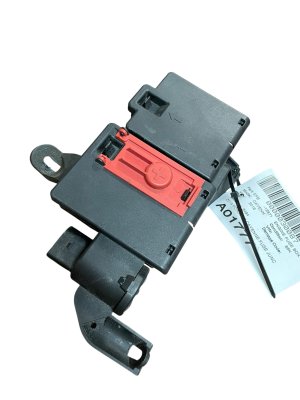
OEM Part Numbers: PAB94182300 PAB941824B 4M0941824AR 4M0941823A
The vehicle utilizes multiple fuse boxes located in the engine compartment, driver and passenger side of the instrument panel, driver's footwell, and luggage compartment.
We Have This Part in Stock

The information in this article is provided for general reference and educational purposes only. Vehicle specifications, procedures, and part compatibility can vary by production date, trim level, and region. Always consult your vehicle's factory service manual and verify part numbers before purchasing or performing repairs. Safety-critical components such as airbags, seat belts, and braking systems should be installed by a qualified professional.
- Porsche Cayenne: