

2004-2013 Nissan Quest Fuse Box & IPDM Failure: A Buyer's Guide
This guide covers the common failures, symptoms, and critical replacement information for the fuse box and Intelligent Power Distribution Module (IPDM) in the 2004-2013 Nissan Quest.
- The under-hood fuse box is a 'smart' module called the IPDM, which is a common failure point causing many electrical issues.
- A replacement IPDM for a 2004-2013 Quest generally does NOT require programming; it is plug-and-play if the part number is an exact match.
- Symptoms often include a crank-no-start condition, intermittent stalling, or bizarre behavior from lights, wipers, and the A/C system.
- When buying used, inspect for corrosion and ensure the part number is identical to your original module to ensure compatibility.
Symptoms of a Failing Fuse Box / IPDM


A failing Intelligent Power Distribution Module (IPDM) can cause a wide array of electrical issues that may seem random at first. Because the IPDM controls so many different components, symptoms can vary greatly. However, certain patterns of failure are common.
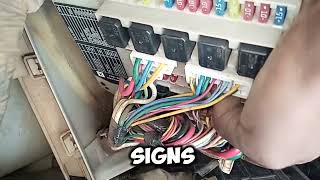
🎬 Watch: Common signs of a faulty Nissan IPDM moduleCommon Failure Symptoms:
- Engine Stalling or No-Start: One of the most common and serious symptoms is an engine that cranks but won't start, or stalls intermittently. This is often due to the IPDM failing to properly power the fuel pump or Engine Control Module (ECM).
- Electrical Gremlins: You may experience flickering headlights, wipers that turn on by themselves, or power windows that stop working. These issues occur because the IPDM is unable to provide a consistent power supply to these accessories.
- A/C Compressor Not Engaging: The air conditioning may suddenly stop blowing cold air because the IPDM is not sending the signal to engage the A/C compressor clutch.
- Cooling Fans Malfunctioning: The engine cooling fans might not turn on, leading to potential overheating, or they might run constantly, draining the battery.
- Multiple Warning Lights: The dashboard may light up with various warning lights that don't seem related to a specific problem.
- Battery Drain: A faulty IPDM can cause a parasitic battery drain, where the battery goes dead overnight or after being parked for a short time.
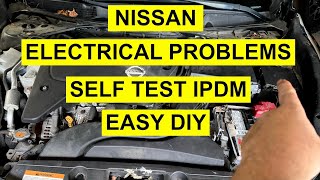
Pro Tip: Nissan has a built-in self-test for the IPDM that can be activated without any special tools. The procedure generally involves turning the ignition on (without starting the engine) and pressing the driver's door switch 10 times in 10 seconds. This will cause the IPDM to cycle through various components like the wipers, lights, and A/C clutch, helping you confirm if the module is capable of sending commands.
🎬 Watch: How to perform this Nissan electrical self-testKnown Issues, TSBs, and Recalls

While there are no specific recalls for the IPDM on the 2004-2013 Quest, Nissan has issued service bulletins for similar IPDM issues on other models from the same era, like the Titan, Armada, and Frontier. A common problem on early models was the use of a "white-housing" IPDM, which was prone to internal solder joint failures. Many of these were later superseded by more reliable "black-housing" versions. Water intrusion is another known cause of failure for IPDMs located in the engine bay, leading to corrosion on the circuit board and connectors.
For the 2004 model year, several safety recalls were issued, including for the power sliding door actuator and the occupant detection system, but none directly address the IPDM.
Buying a Used Fuse Box / IPDM
Purchasing a used IPDM is a cost-effective way to resolve electrical issues, but careful inspection and verification are crucial. Given that these modules are electronic, buying a tested, warrantied part is essential.
Inspection Checklist:
- Match Part Numbers Exactly: The part number on the replacement IPDM must be an exact match to your original unit. Different part numbers may look identical but are configured for different vehicle options, which can cause compatibility issues.
- Check for Corrosion: Carefully inspect all connector pins on the module for any signs of green or white corrosion. Corrosion is a clear sign of water damage and means the unit is likely bad.
- Inspect the Casing: Look for any cracks, melting, or signs of physical damage to the plastic housing. This could indicate a severe electrical short or that the vehicle it came from was in a major collision.
- Verify the Source: Whenever possible, choose a part from a vehicle that was not in a flood or had a front-end collision. Reputable sellers should provide this information.
Warning: For 2013 Nissan Quest models, the provided data indicates a compatibility cutoff for parts manufactured up to March 2013. While searches did not confirm the specific change, it is critical to verify your vehicle's production date before ordering a replacement fuse box for a 2013 model.
Programming and Installation

A key question for buyers is whether a replacement IPDM needs to be programmed. For the 2004-2013 Nissan Quest, the IPDM itself is generally considered a plug-and-play component and does not require programming. You can typically swap a used IPDM with the correct part number, and it will function without a dealer visit.
However, some newer Nissan models (post-2014) do require IPDM configuration with a Nissan-specific scan tool (CONSULT) after replacement. If the IPDM is configured incorrectly on those vehicles, it can lead to a no-start condition or cause features like headlights to malfunction. While this doesn't apply to most Quests in this year range, it highlights the importance of matching part numbers precisely to avoid issues related to different vehicle options.
Cost Breakdown
The cost to replace a Nissan Quest IPDM can vary significantly based on the source of the part and who performs the labor.
| Part Type | Estimated Cost |
|---|---|
| New OEM | $50 - $85 for some components, but complete assemblies can be much higher. |
| Used OEM | $35 - $200 |
| New Aftermarket | Not widely available; used OEM is the common alternative. |
| Shop Labor Cost | $122 - $269 |
Frequently Asked Questions (FAQ)
Does a used Nissan Quest IPDM need to be programmed?
No, for the 2004-2013 model years, the IPDM is typically a plug-and-play part. As long as you use a replacement with the exact same part number, no programming or dealer visit should be required.
What's the difference between a fuse box and an IPDM?
A traditional fuse box is a simple passive component that just holds fuses and relays. An Intelligent Power Distribution Module (IPDM) is a "smart" fuse box that contains a computer processor. It actively controls electrical components based on inputs from the vehicle's other computers, like the BCM and ECM.
Can I just replace a single bad relay inside the IPDM?
Nissan officially advises against replacing individual relays within the IPDM assembly. The relays are often soldered to the circuit board, and attempting to remove them can damage the board or create loose connections that cause more intermittent problems down the road. For this reason, replacing the entire IPDM unit is the recommended repair.
My Quest cranks but won't start. Could it be the IPDM?
Yes, this is a classic symptom of a failing IPDM. The module contains the relays for the fuel pump and the engine control module (ECM). If these relays fail, the engine will not get fuel or spark, resulting in a crank-no-start condition.
🎬 See how to diagnose a Nissan intermittent no-start issueHelpful Videos

Technical Specifications
OEM Part Numbers: 243817990A 243821JA0A 243821JA1A 243825Z010 243831JA0A
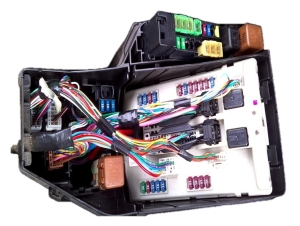
The fuse box assembly is also known as the Intelligent Power Distribution Module (IPDM). It is located in the engine compartment.
We Have This Part in Stock



The information in this article is provided for general reference and educational purposes only. Vehicle specifications, procedures, and part compatibility can vary by production date, trim level, and region. Always consult your vehicle's factory service manual and verify part numbers before purchasing or performing repairs. Safety-critical components such as airbags, seat belts, and braking systems should be installed by a qualified professional.
- Nissan Quest: