

Mercedes-Benz Rear SAM Module Failure: 2012-2026 ML, GL, GLE, GLS & More
Diagnosing the common electrical gremlins caused by a failed Rear SAM module, often resulting from water damage, and understanding the critical programming requirements for replacement.
- The #1 cause of Rear SAM failure is water damage, typically from leaking tail light seals or clogged sunroof drains. Always fix the leak before replacing the module.
- This is not a plug-and-play part. A new module requires expensive online SCN coding by a dealer. A used module requires cloning from your original unit.
- Buying a used OEM module with the exact same part number and having it cloned is the most cost-effective repair, provided your original module is readable.
- Symptoms are almost always electrical and affect the rear of the vehicle, including tail lights, fuel gauge, and trunk release.
Symptoms of a Failing Rear SAM Module

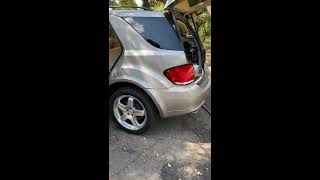
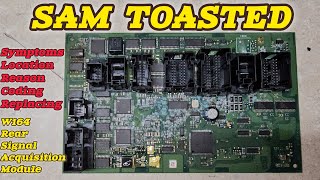
When a Rear SAM begins to fail, it can create bizarre and seemingly unrelated electrical issues. Because the module controls so many different components, symptoms can vary, but they almost always involve systems located in the rear of the vehicle. 🎬 Watch: A visual guide to common Rear SAM failure symptoms. Water damage, the most common cause of failure, often leads to corrosion on the circuit board, causing unpredictable short circuits.
- Tail Light Malfunctions: This is one of the most common signs. You may experience lights that won't turn on or off, brake lights stuck on (draining the battery), turn signals that don't work, or "bulb out" warnings on the dashboard even with good bulbs.
- Fuel System Issues: The fuel gauge may read empty or provide erratic readings, as the SAM processes the signals from the fuel level senders in the tank. In some cases, it can affect the fuel pump's operation.
- Trunk and Tailgate Problems: The power trunk or tailgate release may stop working, or the central locking system for the trunk may fail.
- Complete Communication Loss: A diagnostic scan tool may report "no communication" with the Rear SAM. This can also cause a flood of communication error codes in other modules, as they can no longer talk to the SAM over the vehicle's network.
- Battery Drain: A short-circuited SAM can keep certain circuits active even when the car is off, leading to a dead battery overnight.
- Other Electrical Gremlins: Other reported symptoms include failure of the rear window defroster, power-folding rear seats, and issues with the anti-theft alarm system.
Common Diagnostic Trouble Codes (DTCs)
A failing Rear SAM will typically store fault codes that can be read with a Mercedes-compatible diagnostic scanner. These are often "B" (Body) or "U" (Communication) codes, rather than generic "P" (Powertrain) codes. Look for codes indicating short circuits, open circuits, or loss of communication with specific components like tail lamps, fuel pumps, or antenna modules.
Known Issues, Recalls, and Technical Service Bulletins (TSBs)

The overwhelming majority of Rear SAM failures are caused by water intrusion. Over the years, Mercedes-Benz has issued several recalls and faced widespread complaints related to water leaks that can damage this expensive component.
The Primary Culprit: Water Damage
The location of the Rear SAM module in many models makes it highly susceptible to water damage. It is typically located in the trunk or rear cargo area, often in a low point where water can collect.
- Leaking Tail Light Gaskets (ML/GL/GLE/GLS): On W164 and W166 platform SUVs, the foam gaskets for the tail light assemblies are notorious for degrading over time, allowing water to seep into the body and drip directly onto the Rear SAM located in the right-side cargo area.
- Clogged Sunroof Drains: This is a common problem across many Mercedes models. The panoramic sunroof drain tubes can get clogged with debris, causing water to overflow the drain channels and run down inside the vehicle's pillars, eventually pooling in the trunk or under the rear seat.
- Trunk Lid Water Ingress (C-Class): On some newer C-Class models (W206), opening a wet trunk lid can cause water to drip directly into the trunk and onto the SAM. This prompted a recall (NHTSA 22V-678) for dealers to retrofit a protective cover over the module.
- Fuel Pump Module Recall (ML/GLE): A major recall (NHTSA 23V-022) was issued for over 300,000 ML and GLE models (2012-2020) because water accumulating in the spare tire well could short out the fuel pump control unit, causing the engine to stall. While this affects a different module, it highlights the severe risk of water leaks in the rear of these vehicles.
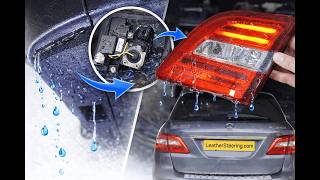
Pro Tip: If you are replacing a water-damaged Rear SAM, it is absolutely essential to find and fix the source of the leak first. Failure to do so will result in the new module being damaged as well. Inspect tail light seals and test sunroof drains by slowly pouring water into the drain channels to ensure it exits properly underneath the vehicle.
🎬 See how to detect water leaks before they ruin your module.Replacement and Programming Requirements

Replacing a Rear SAM is not a simple plug-and-play repair. These modules are coded specifically to the vehicle's VIN and its unique set of options.
SCN Coding is Mandatory for New Modules
If you install a brand new Rear SAM, it must be programmed online by a dealer or a qualified independent shop with a Mercedes-Benz STAR/Xentry diagnostic tool and a subscription for SCN (Software Calibration Number) coding. This process downloads the correct software and configuration from Mercedes-Benz servers and writes it to the module, telling it what features the car has (e.g., power tailgate, specific lighting, trailer hitch, etc.). Without SCN coding, many features controlled by the SAM will not function correctly.
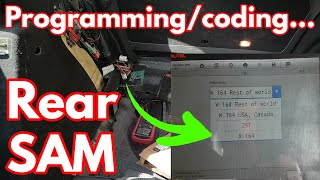
🎬 Watch: A real-world example of the SCN programming process.Buying a Used Fuse Box: The Cloning Option
For buyers of used parts, SCN coding is not typically an option for a pre-owned module. The best solution is to have the data from your original SAM "cloned" onto a compatible used replacement.
This is the most important section for anyone buying a used Rear SAM.
- Match the Part Number EXACTLY: You must find a used module with the exact same Mercedes-Benz part number (e.g., A1669004712) as your original unit. Hardware and software versions can vary, so an identical part number is the only way to ensure compatibility for cloning.
- Find a Cloning Service: Numerous third-party services specialize in cloning Mercedes modules. You will need to mail both your original (faulty) SAM and the replacement (used) SAM to them. They will extract the VIN, programming, and configuration data from your old module and write it to the replacement.
- Inspect the Original Module: Cloning is only possible if the data on your original module is readable. If it has been destroyed by fire or extreme corrosion, cloning may not be an option, forcing you to buy a new module from the dealer.
- Physical Inspection of the Used Part: When buying a used SAM, carefully inspect the pins in all the connectors for any signs of green or white corrosion, which indicates past water damage. Avoid any module that shows signs of moisture.
- The Benefit of Cloning: A successfully cloned module becomes a plug-and-play replacement. It will contain all of your car's original information, requiring no further programming from a dealer, saving you hundreds of dollars in coding fees.
Warning: Do not simply install a used Rear SAM from another vehicle without cloning. It will not work correctly. The module is coded to the donor car's VIN and options, which will not match your vehicle, resulting in malfunctions and fault codes.
Vehicle-Specific Information

While the failure modes are similar, the exact location of the Rear SAM can differ by model.
- M-Class, GL-Class, GLE-Class, GLS-Class (W164, X164, W166, X166): The Rear SAM is typically located in the right-hand side of the cargo area, behind the trim panel or under the floor near the spare tire well.
- C-Class (W204, W205): The module is found in the trunk, on the right side behind the fender liner.
- E-Class (W212): The Rear SAM is located in the trunk on the right side, behind a trim panel.
- G-Class, CLA-Class, GLE Coupe: The general principles of water damage and programming requirements apply, but the specific location and common leak points may vary. Always verify the location on your specific vehicle before ordering parts.
Cost of Replacement
The cost to fix a failed Rear SAM can vary widely depending on the chosen repair path.
| Part/Service | Estimated Cost (USD) | Notes |
|---|---|---|
| New OEM Rear SAM | $500 - $900+ | Part only. Price varies by part number and dealer. Requires SCN coding. |
| New Aftermarket Rear SAM | $250 - $600 | Availability is limited. Quality can be questionable. Still requires SCN coding. |
| Used OEM Rear SAM | $75 - $250 | Part only. Must be cloned. Prices vary on eBay and from recyclers. |
| Dealer Labor & SCN Coding | $400 - $800+ | Includes diagnosis, installation of a new part, and mandatory online programming. A total dealer bill can easily exceed $1,400. |
| Independent Shop Labor | $100 - $200 | For physical replacement only (approx. 1 hour). |
| Cloning / Programming Service | $150 - $350 | Mail-in service to clone your original module to a used replacement. |
Frequently Asked Questions (FAQ)
Can I replace the Rear SAM myself?
The physical replacement is straightforward for a DIY mechanic. It involves disconnecting the battery, removing some trunk trim, and swapping the module. However, the mandatory programming or cloning means it's not a simple DIY job from start to finish. You will need to coordinate with a dealer or a cloning service after the physical installation.
Does a used Rear SAM need to be programmed?
A used SAM cannot be programmed to a new vehicle using the dealer's SCN coding process. Instead, it must be 'cloned'. This involves transferring the software and coding from your original module to the used one. You must use a replacement with the exact same part number for cloning to be successful.
What is SCN coding?
SCN (Software Calibration Number) coding is a process that Mercedes-Benz uses to configure electronic modules. It connects the vehicle to Mercedes' servers to download the correct software and parameter settings for that specific Vehicle Identification Number (VIN). This ensures the module works correctly with the car's installed options.
Will a bad Rear SAM stop the car from starting?
Generally, a faulty Rear SAM will not cause a no-start condition. It primarily controls body and convenience functions. However, it can cause a no-start if it creates a severe battery drain or, in some models, if it interferes with the fuel pump relay it controls.
Is it better to buy a new or used Rear SAM?
If your original module is clonable, buying a quality used OEM module and paying for a cloning service is often the most cost-effective solution. This provides a reliable OEM part that is plug-and-play after cloning, avoiding expensive dealer programming fees. If your original module is destroyed and cannot be cloned, your only option is to purchase a new module and have it SCN coded by a dealer or specialist.
Helpful Videos
Technical Specifications
OEM Part Numbers: 0009822023 1665401550 1665401750 1665402050 1665402150 1665402350 1665402450 1665402950 1665403612 1665404902 1665409315 1665452800 1665456840 1669061202 1669062501 1679063103 1649005101 1649005401 2049060205
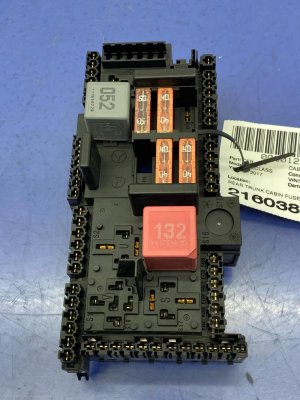
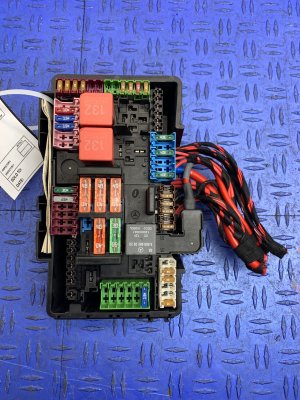
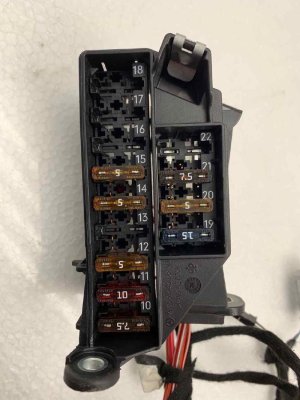
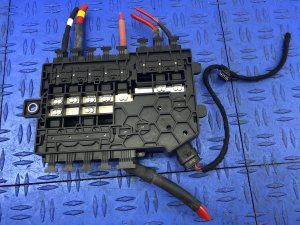
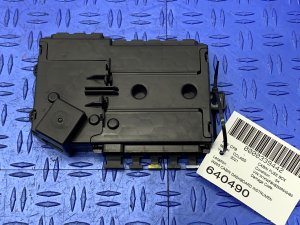
Also known as: Rear Signal Acquisition and Actuation Module, Rear Fuse and Relay Box. Location varies by model but is typically in the trunk/cargo area, often on the right side.
We Have This Part in Stock


The information in this article is provided for general reference and educational purposes only. Vehicle specifications, procedures, and part compatibility can vary by production date, trim level, and region. Always consult your vehicle's factory service manual and verify part numbers before purchasing or performing repairs. Safety-critical components such as airbags, seat belts, and braking systems should be installed by a qualified professional.
- MERCEDES-BENZ GLE-CLASS:
- MERCEDES-BENZ GLS-Class:
- MERCEDES-BENZ GL-CLASS:
- MERCEDES-BENZ ML-CLASS:
- Mercedes-Benz M-Class:
- MERCEDES-BENZ G-CLASS:
- Mercedes-Benz GLE-Class Coupe:
- Mercedes-Benz C-Class:
- Mercedes-Benz CLA-Class:
- Mercedes-Benz E-Class:
- MERCEDES-BENZ GLA-CLASS:
- MERCEDES-BENZ GLE COUPE:
- MERCEDES-BENZ S-CLASS:
- MERCEDES-BENZ SLC-CLASS:
- MERCEDES-BENZ SLK-CLASS:
- MERCEDES-BENZ SPRINTER 2500:
- MERCEDES-BENZ SPRINTER 3500:
- 🎬 Helpful Videos
- 🛍️ Shop This Part
- Symptoms of a Failing Rear SAM Module
- Common Diagnostic Trouble Codes (DTCs)
- Known Issues, Recalls, and Technical Service Bulletins (TSBs)
- The Primary Culprit: Water Damage
- Replacement and Programming Requirements
- SCN Coding is Mandatory for New Modules
- Buying a Used Fuse Box: The Cloning Option
- Vehicle-Specific Information
- Cost of Replacement
- Frequently Asked Questions (FAQ)
- 🎟️ Get 5% Off