

2010-2013 Mazda 3 Engine Fuse Box: No-Programming Replacement & Skyactiv Compatibility Guide
This guide covers symptoms, part numbers, and the critical compatibility differences for the 2010-2013 Mazda 3 engine bay fuse box, a simple plug-and-play replacement.
- The engine bay fuse box does NOT require programming; it is a simple plug-and-play part.
- Compatibility is critical: there are three different part numbers for 2010, 2011-13 non-Skyactiv, and 2012-13 Skyactiv models. You must match the part number.
- A recall on 2010 models for a chafing engine harness can blow the main fuse, causing a stall and no-start condition.
- Do not confuse this part with the interior fuse box (PJB/BCM), which is a computer that requires programming and causes different symptoms like flickering dash lights.
Engine Bay Fuse Box vs. Interior PJB/BCM: A Critical Distinction


Important: Your Mazda 3 has two fuse boxes, and they are very different. This article is about the engine bay fuse box, which is a simple power distribution unit that does NOT require programming. Many common electrical problems, like flickering dash lights, erratic power windows, or key fob issues, are actually caused by the interior fuse box. The interior unit is a complex computer called the Passenger Junction Box (PJB) or Body Control Module (BCM), and it MUST be programmed to your vehicle after installation. Before buying a part, be sure to diagnose which fuse box is causing your issue.
Symptoms of a Failing Engine Bay Fuse Box
Problems with the engine bay fuse box are typically more direct than the confusing electrical gremlins caused by the interior BCM. Signs of a failing engine bay unit often point to major power delivery issues.
- Engine Will Not Crank or Start: If the main fuse is blown or if relays for the starter or fuel pump are not 🎬 Watch: 2010 Mazda 3 starter relay and circuit explained receiving power from the box, the engine may not start at all.
- Sudden Engine Stalling: A critical issue, such as a short circuit blowing the main fuse, can cause the engine to shut off while driving and not restart. This is a known problem related to a recall on 2010 models.
- Specific Components Not Working: Failure of a single circuit within the box can lead to components like the cooling fans, headlights, or fuel pump not turning on.
- Visible Corrosion or Damage: A visual inspection may reveal white or green crusty corrosion on the terminals, melted plastic around fuse or relay sockets, or cracks in the housing. This is often caused by water intrusion.
- Repeatedly Blown Fuses: If a specific fuse blows repeatedly even after replacing it, it could indicate an internal short within the fuse box itself.
Known Issues, Recalls, and TSBs

NHTSA Recall 09V126000: Engine Harness Chafing (2010 Models)
Mazda issued a safety recall for certain 2010 Mazda 3 vehicles produced between October 2008 and April 2009. The engine wiring harness could rub against the starter motor housing, wearing away the insulation and causing a short circuit. In a worst-case scenario, this short can blow the main fuse located in the engine bay fuse box, causing the engine to stall without warning and preventing a restart. The fix involves a dealer inspection and installation of a protective clip on the harness. Even if the recall was performed, previous damage could have compromised the fuse box.
Water Intrusion from Missing Fender Liner
A common real-world cause of engine bay fuse box failure is water damage. If the plastic inner fender liner in the wheel well is damaged or missing, road spray (including water and corrosive road salt) can be thrown directly onto the fuse box and its wiring. This leads to severe corrosion on the terminals and connectors, causing poor connections, short circuits, and no-start conditions.
TSB 01-005/13: Crank No-Start in Cold Weather
For 2010-2013 models, Mazda released a Technical Service Bulletin for an issue where the engine cranks but won't start in cold weather, with no trouble codes stored. This issue is caused by software logic in the Powertrain Control Module (PCM), not the fuse box. The solution is a PCM software update performed by a dealer. It's important to be aware of this, as it can be misdiagnosed as a fuse box or fuel pump issue.
Buying a Used 2010-2013 Mazda 3 Engine Fuse Box

A used OEM fuse box is an excellent, cost-effective alternative to an expensive new part. Since this part does not require programming, it's a straightforward swap. However, careful inspection and compatibility verification are essential.
1. Verify Compatibility: The Most Important Step
The engine bay fuse box is different between the 2010 model year and the 2011-2013 models, and there is a critical split for vehicles with and without the Skyactiv engine. You MUST match the part number from your original fuse box. Do not order based on year alone.
| Vehicle | Engine | OEM Part Number |
|---|---|---|
| 2010 Mazda 3 | 2.0L & 2.5L | BBM5-66-760B |
| 2011-2013 Mazda 3 | 2.0L & 2.5L (Non-Skyactiv) | BBM6-66-760 |
| 2012-2013 Mazda 3 | 2.0L Skyactiv | BFD2-66-760 |
Pro Tip: The part number is printed on a sticker on the side of the fuse box housing. Always confirm this number on your original part before ordering a replacement.
2. What to Physically Inspect
When buying a used unit, look closely at the photos or inspect it in person:
- Check for Corrosion: Look for any white or greenish powder on the electrical pins or connectors. Any sign of corrosion means the part has been exposed to moisture and should be avoided.
- Look for Heat Damage: Inspect the plastic around each fuse and relay socket. Any melted, warped, or discolored plastic is a major red flag indicating a past short circuit or severe overload.
- Ensure All Clips are Intact: Check that the main housing clips and the smaller clips for the wiring harness connectors are present and not broken. Broken clips can lead to loose connections down the road.
3. Fuses and Relays Not Included
Remember that a replacement fuse box, whether new or used, is typically sold as a bare housing. You will need to carefully transfer all the fuses and relays from your old box to the new one. It's a good idea to take a picture of the old box before you start removing them to ensure they all go back in the correct spots.
Programming and Installation
Does the engine bay fuse box need to be programmed?
No. Unlike the interior Body Control Module (BCM), the engine bay fuse box is a simple electrical distribution center. It does not contain any software and does not need to be programmed, flashed, or coded to your vehicle's VIN. It is a direct, plug-and-play replacement.
Replacement Walkthrough
Replacing the engine bay fuse box is a straightforward job for a DIY mechanic. The basic steps are as follows:
- Disconnect the Battery: Always disconnect the negative battery terminal before working on any electrical components.
- Remove the Cover: Unclip the plastic cover from the top of the fuse box.
- Disconnect Wiring: Unplug the main wiring harness connectors. These usually have a locking tab that needs to be pressed or lifted.
- Unbolt the Fuse Box: Remove the bolts or nuts that secure the fuse box assembly to the vehicle body.
- Transfer Fuses and Relays: Carefully remove each fuse and relay from the old box and install it in the same position in the replacement box. A fuse puller tool is helpful. 🎬 Watch: How to safely change fuses on a 2010-2013 Mazda 3
- Install the New Box: Bolt the new fuse box in place, reconnect the wiring harnesses, reinstall the cover, and reconnect the battery.
Cost Comparison
The cost to replace a 2010-2013 Mazda 3 engine fuse box can vary significantly depending on the part source and labor.
| Item | Estimated Cost |
|---|---|
| New OEM | $115 - $185 |
| New Aftermarket | Not commonly available |
| Used OEM | $40 - $95 |
| Shop Labor | $125 - $250 |
Note: Dealer quotes can be much higher ($1000+) but often include extensive diagnostic time.
Frequently Asked Questions (FAQ)
Does a replacement engine fuse box need to be programmed?
No. The engine bay fuse box for the 2010-2013 Mazda 3 is a non-programmable part. You can install a new or used unit without needing a trip to the dealer for programming. However, the interior fuse box (PJB/BCM) does require programming.
How do I know if my 2012 or 2013 Mazda 3 has a Skyactiv engine?
There are several easy ways to check: Look for a blue-ringed engine cover under the hood, blue rings inside the headlight housings, or a 'Skyactiv Technology' badge on the trunk or hatch. You can also check the 8th digit of your VIN; on US models, a '7' indicates a Skyactiv engine, while an 'F' indicates the standard 2.0L MZR engine.
Can a bad engine fuse box cause my car to stall?
Yes. A failure of the main fuse, often linked to the wiring harness recall on 2010 models, can cause a sudden engine stall and prevent the car from restarting. Corrosion or an internal short affecting the fuel pump or ignition circuits could also cause stalling.
Can I just clean a corroded fuse box?
Sometimes, minor surface corrosion can be cleaned with an electrical contact cleaner and a small brush. However, if the corrosion is severe, has damaged the metal terminals, or has wicked into the wiring, replacement is the only reliable solution. Given the low cost of a used OEM unit, replacement is often the safer and more durable repair.
Helpful Videos
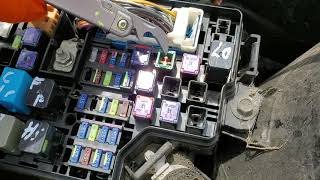
![2010 To 2013 Mazda 3 Sedan How To Change Electrical Fuses With Correct Fuse Type - [Mazda3]](https://img.youtube.com/vi/J-KyraERglI/mqdefault.jpg)
Technical Specifications
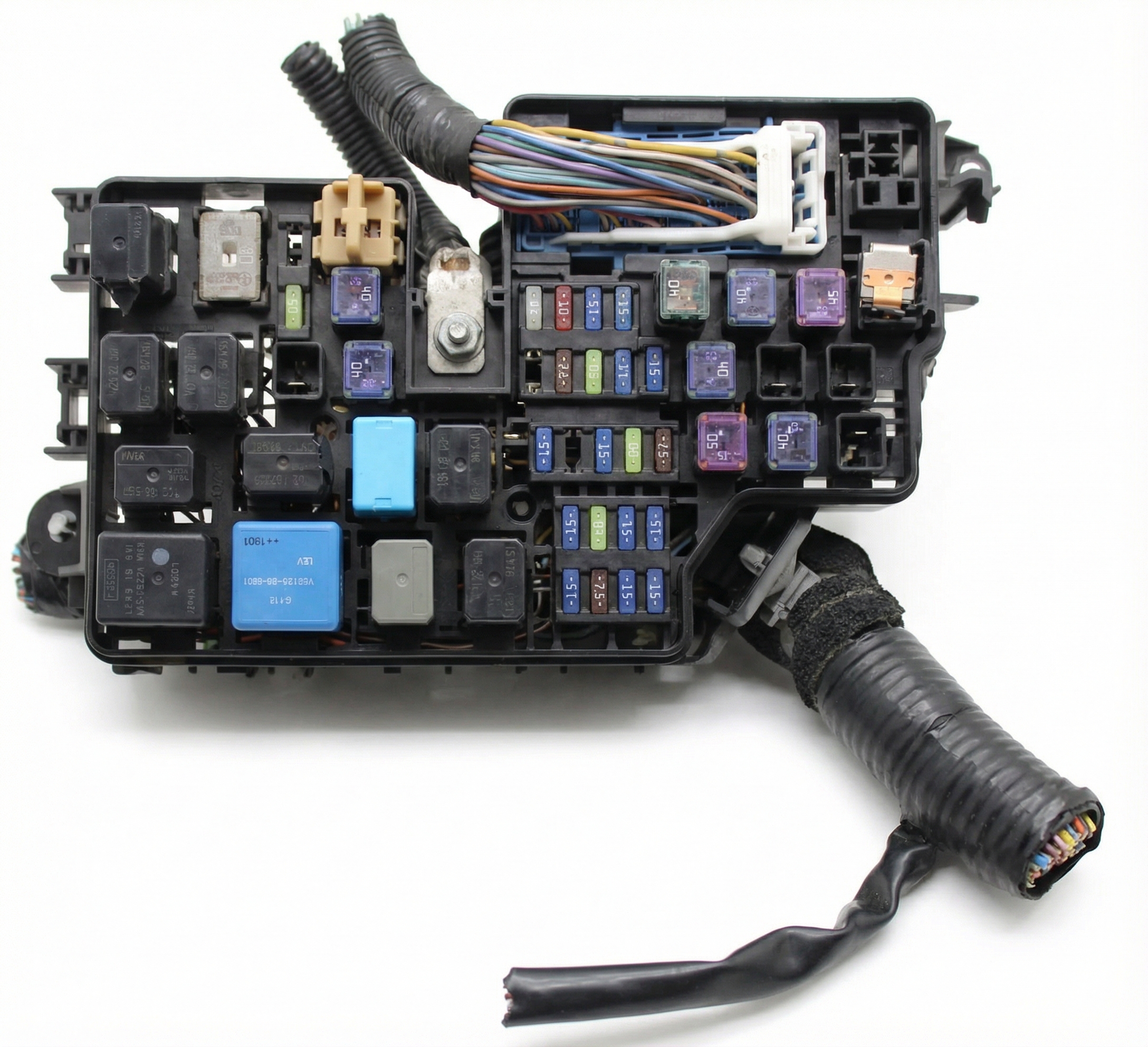
OEM Part Numbers: BBM566760B BBM666760 BFD266760
Houses high-amperage fuses and relays for engine and primary vehicle systems. Material: PA66+PPE plastic housing.
We Have This Part in Stock


The information in this article is provided for general reference and educational purposes only. Vehicle specifications, procedures, and part compatibility can vary by production date, trim level, and region. Always consult your vehicle's factory service manual and verify part numbers before purchasing or performing repairs. Safety-critical components such as airbags, seat belts, and braking systems should be installed by a qualified professional.
- Mazda 3:
- 🎬 Helpful Videos
- 🛍️ Shop This Part
- Engine Bay Fuse Box vs. Interior PJB/BCM: A Critical Distinction
- Symptoms of a Failing Engine Bay Fuse Box
- Known Issues, Recalls, and TSBs
- NHTSA Recall 09V126000: Engine Harness Chafing (2010 Models)
- Water Intrusion from Missing Fender Liner
- TSB 01-005/13: Crank No-Start in Cold Weather
- Buying a Used 2010-2013 Mazda 3 Engine Fuse Box
- 1. Verify Compatibility: The Most Important Step
- 2. What to Physically Inspect
- 3. Fuses and Relays Not Included
- Programming and Installation
- Does the engine bay fuse box need to be programmed?
- Replacement Walkthrough
- Cost Comparison
- Frequently Asked Questions (FAQ)
- 🎟️ Get 5% Off