

2007-2017 Navigator & Expedition Fuse Box: Solving Crank-No-Start & Fuel Pump Issues
This guide covers the common failures in the engine bay fuse box, including the notorious fuel pump circuit problem that leaves you stranded.
- The engine bay fuse box (BJB) is a common cause of 'crank, no start' issues due to fuel pump circuit failures.
- 2009-2014 models suffer from a melting fuel pump fuse; the permanent fix is a fuse relocation kit.
- Earlier models (2007-2008) have an internal, non-serviceable fuel pump relay that requires BJB replacement or specialized repair when it fails.
- The engine bay BJB does NOT require programming, making a used OEM part a great plug-and-play solution.
Is it the Battery Junction Box (BJB) or the Smart Junction Box (SJB)?

Before diagnosing, it's critical to know which fuse box is causing the problem. They have very different symptoms.
| Symptom Type | Likely Culprit | Location |
|---|---|---|
| Engine won't crank or start, fuel pump issues, dead vehicle | Battery Junction Box (BJB) | Engine Bay |
| Weird interior electrical issues (lights, windows, radio), random warning chimes, hazard lights won't turn off | Smart Junction Box (SJB) | Passenger Footwell / Kick Panel |
This guide focuses on the engine bay Battery Junction Box (BJB), as it is the most common source of no-start problems related to a fuse box failure in these vehicles.
Known Issues and Failure Points

The BJB in the 2007-2014 Expedition and 2007-2017 Navigator is known for several key issues, most of which lead to a vehicle that cranks but won't start.
Issue 1: Melted Fuel Pump Fuse (2009-2014 Models)
This is the most common and frustrating failure. The 20-amp micro fuse that powers the fuel pump is undersized for the job. Over time, the high electrical current causes the fuse and its terminals within the BJB to overheat and melt. This breaks the connection to the fuel pump, resulting in a sudden crank-no-start condition. This is identical to the infamous "Fuse 27" issue on Ford F-150s of the same era.
- Symptom: The engine turns over (cranks) but will not fire up. You may notice you don't hear the familiar hum of the fuel pump priming when you turn the key.
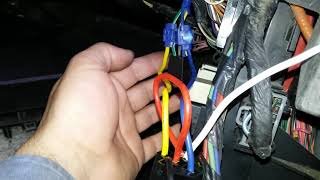
- Diagnosis: Open the BJB in the engine bay and inspect the fuel pump fuse slot. On 2009-2014 Expeditions, this is typically fuse #44 (20A). 🎬 Watch: Locate your fuel pump fuse and relay here. Look for a melted fuse, a burnt appearance, or a discolored and melted plastic housing around the fuse terminals.
- Solution: The proper fix is not to just replace the fuse, as it will fail again. Ford issued a Technical Service Bulletin (TSB 15-0137) for the F-150 that details installing a fuse relocation kit (Ford part #EL3Z-14293-A). This kit moves the fuel pump circuit to an empty, more robust J-case fuse slot in the BJB. This is the recommended permanent repair.
Pro Tip: If you are experiencing this issue, it is highly recommended to perform the fuse relocation as a preventative measure even if the fuse hasn't melted yet. The kit is inexpensive and can save you from being stranded.
Issue 2: Internal Fuel Pump Relay Failure (Primarily 2007-2008 Models)
On earlier models in this generation, the fuel pump relay is often not a simple plug-in component. Instead, it is a non-serviceable relay soldered directly to the BJB's internal printed circuit board (PCB). When this relay fails from age and use, the symptoms are identical to the melted fuse issue—the fuel pump stops receiving power. You can sometimes see a burnt or melted spot on the back of the circuit board if you disassemble the BJB.
- Symptom: Intermittent stalling, or a crank-no-start condition.
- Solution: Since the relay is internal, you have three options: 1) Replace the entire BJB with a new or used unit. 2) Send your original BJB to a specialized automotive electronics repair service that can de-solder the old relay and solder in a new, upgraded one. 3) Attempt the micro-soldering repair yourself if you have the expertise.
Issue 3: Water Intrusion and Corrosion
While the interior Smart Junction Box is more famous for water damage, the engine bay BJB is not immune. If the BJB cover is not fully seated and latched, or if the seal is damaged, water from rain or car washes can get inside. This leads to corrosion on the fuse terminals and internal circuit board, causing a host of unpredictable electrical problems, including a dead battery or a no-start condition.
- Diagnosis: Open the BJB and look for any signs of moisture, white or green crusty corrosion on the fuses or relays, or water lines on the housing.
- Solution: If corrosion is minor, you may be able to clean the terminals with a specialized brush and electrical contact cleaner. If the damage is extensive or has reached the internal board, the BJB will need to be replaced.
Buying a Used Battery Junction Box


A used OEM BJB is an excellent, cost-effective option for these vehicles, primarily because it does not require programming. However, you must inspect it carefully.
- No Programming Required: Unlike the interior SJB, the engine bay BJB is a direct plug-and-play part. As long as you get the correct part number, you can install it yourself without a trip to the dealer.
- Match the Part Number: This is crucial. There are different BJBs for different model years, engines (5.4L V8 vs. 3.5L V6), and drivetrains (4x2 vs. 4x4). The part number is printed on a sticker on the side of the box. Do not install a BJB with a different part number.
- Physical Inspection is Key:
- For 2009-2014 units: Immediately inspect the fuel pump fuse slot. If there is ANY sign of melting, browning, or heat damage, DO NOT BUY IT unless you are prepared to immediately install a fuse relocation kit.
- For all units: Check all fuse and relay terminals for any signs of corrosion. Look at the main power connections for arcing or melting. Open the cover and ensure there's no dirt, debris, or signs of water intrusion.
- Check the Cover: Make sure the BJB comes with its cover and that all the locking tabs are intact. A missing or broken cover is what leads to water damage.
Cost to Replace a Fuse Box (Battery Junction Box)
| Part / Service | Estimated Cost |
|---|---|
| New OEM (Dealer) | $400 - $700+ |
| New Aftermarket | $250 - $450 |
| Used OEM (Recycled) | $75 - $250 |
| Repair Service (for internal relay) | $70 - $150 (plus shipping) |
| Shop Labor to Replace | $100 - $200 (approx. 1 hour) |
Note: Prices are estimates and can vary based on location, vehicle specifics, and part availability.
Frequently Asked Questions (FAQ)
Does a replacement fuse box need to be programmed?
The engine bay Battery Junction Box (BJB) does NOT need to be programmed. It is a plug-and-play component. However, the interior Smart Junction Box (SJB) DOES require programming with vehicle-specific data. Be sure you know which part you are replacing.
My truck cranks but won't start. Is it the fuse box?
It's a very strong possibility, especially on 2009-2014 models. The first thing to check is the fuel pump fuse for signs of melting. If the fuse and its slot look burnt, the BJB is the likely cause of your no-start issue.
Can I replace the BJB myself?
Yes, this is a feasible DIY job for someone with basic mechanical skills. The process involves disconnecting the battery, removing the BJB cover, unclipping several large electrical connectors, and unbolting the box from its mount. Since no programming is needed, it's a straightforward swap.
What is the Fuse 27 Relocation Kit and do I need it?
It's a small wiring kit designed by Ford to fix the melting fuel pump fuse problem. It moves the circuit from the undersized micro fuse slot to a larger, more durable J-case fuse slot. If you have a 2009-2014 Expedition or Navigator, installing this kit is highly recommended as a permanent solution and preventative measure, even if your original fuse hasn't failed yet.
Helpful Videos
Technical Specifications
OEM Part Numbers: 8L1Z14A003A 8L1Z14A068A 9L1T14A003BA 9L1Z14A003A 9L1Z14A003B 9L1Z14A068A FL7T12A581EB FL7T12A581EC FL7T12A581ED FL7T12A581EE FL7T12A581EF FL7T12A581EG FL7Z12A581A GL7T12A581EA GL7T12A581EB
The BJB is divided into two main generations: one for the 2007-2014 models with the 5.4L V8, and another for the 2015-2017 models with the 3.5L V6 engine. Part numbers must be matched exactly to the vehicle's year, engine, and drivetrain configuration.
We Have This Part in Stock



The information in this article is provided for general reference and educational purposes only. Vehicle specifications, procedures, and part compatibility can vary by production date, trim level, and region. Always consult your vehicle's factory service manual and verify part numbers before purchasing or performing repairs. Safety-critical components such as airbags, seat belts, and braking systems should be installed by a qualified professional.
- Lincoln Navigator:
- Ford Expedition:
- 🎬 Helpful Videos
- 🛍️ Shop This Part
- Is it the Battery Junction Box (BJB) or the Smart Junction Box (SJB)?
- Known Issues and Failure Points
- Issue 1: Melted Fuel Pump Fuse (2009-2014 Models)
- Issue 2: Internal Fuel Pump Relay Failure (Primarily 2007-2008 Models)
- Issue 3: Water Intrusion and Corrosion
- Buying a Used Battery Junction Box
- Cost to Replace a Fuse Box (Battery Junction Box)
- Frequently Asked Questions (FAQ)
- 🎟️ Get 5% Off