

2011-2016 Kia Sportage Fuse Box: Fire Recalls, Smart Junction Box Failures, and Replacement Guide
This guide covers critical fire recall information and explains the difference between the simple engine bay fuse box and the complex, programmable interior Smart Junction Box.
- This vehicle has two fuse boxes: a simple one in the engine bay and a complex, computerized Smart Junction Box (SJB) in the cabin.
- The interior Smart Junction Box (SJB) MUST be programmed to the vehicle's VIN after replacement, or major electrical problems will occur. This usually requires a dealer.
- A major fire recall (NHTSA 23V-652) affects 2011-2013 models; the ABS module can short circuit, and the fix involves replacing fuses in the engine bay fuse box. Owners are advised to park outside.
- Bizarre, unrelated electrical issues (lights, windows, wipers failing) are the primary symptom of a failing interior Smart Junction Box.
Important: Understanding Your Sportage's Fuse Boxes

When discussing the 'fuse box' on a 2011-2016 Kia Sportage, it's crucial to know there are two distinct components. Misidentifying them can lead to buying the wrong part and unnecessary frustration.
- Engine Compartment Fuse Box: Located in the engine bay, this is a non-programmable power distribution center. It's relatively simple to replace. Part numbers often look like 91340-3Wxxx.
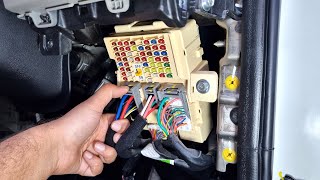
- Smart Junction Box (SJB): Located inside the cabin, usually on the driver's side behind the lower dash panel. This unit is 🎬 Watch: Locate and identify your Sportage fuse boxes a computer that controls body electronics. It is often the source of bizarre electrical issues and requires programming upon replacement. Part numbers often look like 91950-xWxxx.
Known Issues, Recalls, and Technical Service Bulletins

This generation of Kia Sportage has been subject to several critical safety recalls involving the vehicle's electrical system. Even if the recall doesn't directly name the fuse box as the defective part, the remedy often involves it.
Fire Risk Recall: Park Outside. Several recalls for this vehicle advise parking outside and away from structures until the repair is performed, as a fire can occur even when the vehicle is turned off.
NHTSA Recall 23V-652 (Kia SC276): HECU Fire Risk
A major recall was issued for 2010-2013 Sportage models because the Hydraulic Electronic Control Unit (HECU), which controls the Anti-lock Brake System (ABS), can leak fluid internally and cause an electrical short. This short circuit can lead to a fire in the engine compartment. The official remedy involves dealers installing new fuses with a lower amperage rating in the engine compartment fuse box to prevent an overcurrent condition from reaching the HECU.
🎬 See a detailed explanation of the Kia safety recall repairNHTSA Recall SC249: Tow Hitch Harness Fire Risk
For 2016 models (and later), a recall was issued for vehicles with a factory-installed tow hitch. Moisture and debris can get into the tow hitch wiring harness module, causing a short circuit and increasing the risk of a fire. The fix involves replacing the harness and potentially changing a fuse.
Service Action SA142: BCM Software Upgrade
Kia issued a service action for 2011-2012 Sportage models to upgrade the software on the Body Control Module (BCM). Since the Smart Junction Box (SJB) handles BCM functions, this indicates that the vehicle's electronic logic can be updated and improved by a dealer, and that these units are indeed programmable.
Symptoms of a Failing Fuse Box / Smart Junction Box

While a simple blown fuse has a clear cause and effect, a failing Smart Junction Box can cause a wide range of strange, intermittent, and seemingly unrelated electrical problems.
- Multiple Unrelated Electrical Failures: Power windows, radio, interior lights, and wipers may stop working or work erratically.
- Dashboard Warning Lights: The dashboard may light up with multiple warning indicators like TPMS, traction control, and check engine lights, even if those systems are mechanically sound.
- Turn Signal Issues: Turn signals may blink rapidly as if a bulb is out (even when it's not), not work at all, or even activate in the opposite direction of what was selected.
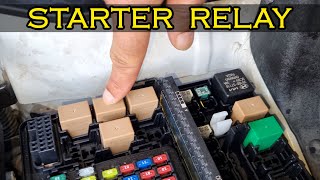
- No-Start Condition: The SJB often contains the starter relay logic. A failure can result in a 'click-no-start' symptom where the engine does not crank. 🎬 Watch: Troubleshooting a no-start caused by a faulty starter relay
- Battery Drain: A short circuit within the SJB can cause a parasitic draw that drains the battery, even when the vehicle is turned off.
Programming and Installation Requirements

Warning: The interior Smart Junction Box (SJB) MUST be programmed to your vehicle after installation. This is not an optional step.
The SJB is configured at the factory for the specific features and options of the vehicle it's installed in (e.g., sunroof, automatic climate control, etc.). A replacement unit, whether new or used, must be programmed using Kia-specific diagnostic software (like the Kia Diagnostic System or KDS) to learn the vehicle's VIN and configuration.
- Can a locksmith or independent shop program it? Some high-level independent shops with advanced diagnostic tools may be able to program a Kia SJB. However, many will not have this capability, making a trip to a Kia dealership necessary.
- What happens if you don't program it? If you install an unprogrammed SJB, you can expect major electrical issues. Features may not work, new warning lights may appear, and in some cases, the vehicle may not start.
- Engine Bay Fuse Box: The engine compartment fuse box does not require any programming. It is a simple plug-and-play replacement.
Buying a Used Fuse Box
Purchasing a used OEM fuse box can offer significant savings, but careful inspection and verification are key, especially for the Smart Junction Box.
- Match the Part Number Exactly: This is the most important rule. There are many different versions of the SJB based on year, engine, and trim level. The part number on the replacement unit must be an exact match to the one on your original part.
- Verify Engine Compatibility: The initial warning is correct. The engine bay fuse box is often specific to the 2.4L or 2.0L Turbo engine. Ensure the donor vehicle had the same engine as yours.
- Physical Inspection: Carefully inspect the used part for any signs of damage. Look for melted plastic around fuse or relay terminals, which indicates a past short circuit. Check all connector pins for corrosion (green or white crust) or signs of water intrusion. A clean, dry part is essential.
- Remember Programming Costs: When buying a used SJB, factor in the additional cost of having it programmed by a dealer or qualified shop. While the part itself is cheaper, the total cost will include this essential labor.
Cost Breakdown
The cost to replace a fuse box varies significantly depending on whether you need the engine bay unit or the interior Smart Junction Box.
| Part / Service | Engine Compartment Fuse Box | Interior Smart Junction Box (SJB) |
|---|---|---|
| New OEM Part | $250 - $400 | $400 - $600+ |
| New Aftermarket Part | Not commonly available | Not commonly available |
| Used OEM Part | $75 - $150 | $50 - $200 |
| Shop Labor (Replacement) | $100 - $200 | $150 - $250 |
| Shop Labor (Programming SJB) | N/A | $100 - $200 |
| Estimated Total (Used OEM) | $175 - $350 | $300 - $650 (incl. programming) |
Frequently Asked Questions
Does the 2011-2016 Kia Sportage fuse box need to be programmed?
The interior Smart Junction Box (SJB), which also serves as the cabin fuse panel, absolutely needs to be programmed by a dealer or a properly equipped independent shop. The engine compartment fuse box does not require programming.
What is the Kia Sportage fire recall about?
The most significant fire recall (NHTSA 23V-652) for this generation involves the anti-lock brake system's control unit (HECU), which can short circuit and cause a fire. The remedy involves replacing fuses in the engine bay fuse box to protect the circuit. Because of this risk, Kia advises parking these vehicles outside and away from structures.
Why are my lights, wipers, and windows all acting weird?
A host of seemingly unrelated electrical problems is a classic symptom of a failing interior Smart Junction Box (SJB). The SJB controls all of these functions, and when its internal electronics begin to fail, it can cause widespread, intermittent issues. Water intrusion and internal corrosion are common causes.
Can I replace the fuse box myself?
An experienced DIY mechanic can likely replace the engine compartment fuse box, as it's a direct swap with no programming needed. Replacing the interior Smart Junction Box is also physically straightforward for a DIYer, but the vehicle will not function correctly and may not even start until the new part is professionally programmed.
Helpful Videos
Technical Specifications
OEM Part Numbers: 91340-3W280 91340-3W600 913403W280 913403W600 914133W322 914133W323 914133W324 91950-2S010 91950-3W010
The 2011-2016 Kia Sportage features two separate fuse box locations: one in the engine compartment on the driver's side, and one in the interior cabin, behind the lower dashboard panel on the driver's side. The interior unit is a programmable Smart Junction Box (SJB) that integrates Body Control Module (BCM) functions.
We Have This Part in Stock



The information in this article is provided for general reference and educational purposes only. Vehicle specifications, procedures, and part compatibility can vary by production date, trim level, and region. Always consult your vehicle's factory service manual and verify part numbers before purchasing or performing repairs. Safety-critical components such as airbags, seat belts, and braking systems should be installed by a qualified professional.
- Kia Sportage:
- 🎬 Helpful Videos
- 🛍️ Shop This Part
- Important: Understanding Your Sportage's Fuse Boxes
- Known Issues, Recalls, and Technical Service Bulletins
- NHTSA Recall 23V-652 (Kia SC276): HECU Fire Risk
- NHTSA Recall SC249: Tow Hitch Harness Fire Risk
- Service Action SA142: BCM Software Upgrade
- Symptoms of a Failing Fuse Box / Smart Junction Box
- Programming and Installation Requirements
- Buying a Used Fuse Box
- Cost Breakdown
- Frequently Asked Questions
- 🎟️ Get 5% Off