

2012-2020 Kia Rio & 2012-2017 Hyundai Accent: Solving Electrical Issues with the Smart Junction Box
This guide covers common failures, programming needs, and replacement tips for the interior fuse box, also known as the Smart Junction Box (SJB), in your Kia Rio or Hyundai Accent.
- This part is a Smart Junction Box (SJB), not just a fuse panel; it's a computer that controls body electronics.
- A replacement SJB will likely require 'variant coding' (a type of programming) by a dealer or qualified shop to work correctly with your car's specific options.
- You MUST match the OEM part number from your original unit exactly when buying a replacement to ensure compatibility.
- A major fire risk recall (HECU) exists for these cars, but the fix involves the engine bay fuse box, not this interior part.
Symptoms of a Failing Smart Junction Box

When the Smart Junction Box (SJB) begins to fail, it can cause a wide range of confusing and seemingly unrelated electrical problems. Because the SJB controls so many different systems, symptoms can vary greatly.
- Multiple, Random Electrical Failures: The most common sign is several systems acting up at once. This can include power windows not working, turn signals behaving erratically, interior lights staying on or not turning on, and the radio or dashboard display malfunctioning.
- Specific Functions Stop Working: You may lose control of a single system, like the headlights, power door locks, or windshield wipers.
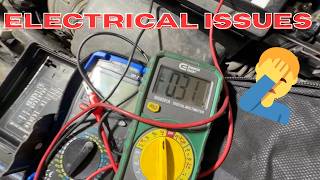
- Parasitic Battery Drain: A faulty SJB can fail to let the vehicle's systems go to 'sleep' when the car is turned off. This causes a slow, continuous drain on the battery, resulting in a dead battery after sitting overnight 🎬 Watch: Why your battery keeps dying every few days or for a few days.
- Warning Lights on the Dashboard: A failing SJB can cause the ABS, ESC, or Brake warning lights to illuminate on the instrument cluster, sometimes accompanied by the speedometer failing.
- Engine Will Not Start: In some cases, a complete failure of the SJB can prevent the engine from cranking or starting.
- Visible Corrosion or Damage: Water intrusion is a common cause of failure. If you inspect the module, you may see white or green crusty deposits on the electrical connectors, which is a clear sign of moisture damage.
Known Issues, Recalls, and Technical Service Bulletins (TSBs)

While these vehicles have had some significant electrical-related recalls and service campaigns, it's important to distinguish them from a faulty interior fuse box.
Safety Recall: HECU Engine Compartment Fire Risk
Important: A major safety recall (NHTSA Campaign 23V652 and others) affects these vehicles for a fire risk originating from the Hydraulic Electronic Control Unit (HECU), which is part of the ABS. The remedy involves installing new, lower-amperage fuses in the engine compartment fuse box, not replacing the interior SJB. Owners are advised to park their vehicles outdoors and away from structures until this free recall repair is performed by a dealer.
Service Campaign: Anti-Theft Software Update
Due to theft concerns, Kia and Hyundai released a software update for vehicles not equipped with a factory engine immobilizer. TSB CS2307 for the Rio describes a procedure for a dealer to upgrade the software logic of the Body Control Module / Smart Junction Box to add anti-theft protection. This is a software flash performed on the existing module, not a part replacement.
Does a Replacement Fuse Box Need Programming?

This is the most critical question when replacing this part. The short answer is: Yes, you should plan for programming or configuration.
The Smart Junction Box is not a simple plug-and-play part. It needs to be configured to the specific options of the vehicle it's installed in. This process, often called 'variant coding', tells the module whether the car has features like factory fog lamps, a push-button start (Smart Key), or other specific equipment.
While a car might start and run with a swapped fuse box from a similarly equipped vehicle, it's common for some features to not work correctly. Using a replacement SJB without proper configuration can lead to warning lights, non-functioning accessories, or diagnostic fault codes. A Kia or Hyundai dealership, or an independent shop with advanced J2534 programming tools, can perform this configuration to ensure everything works as it should.
Pro Tip: When calling shops for quotes, ask if they can perform 'variant coding' on a Hyundai/Kia Smart Junction Box. This will help you find a qualified technician who understands the job.
Buying a Used Fuse Box: A Buyer's Guide

A used OEM Smart Junction Box can be a cost-effective solution, but careful purchasing is essential to avoid complications.
- Match Your OEM Part Number EXACTLY: This is the most important rule. There are dozens of variations of this part. The only way to guarantee compatibility is to match the OEM part number from your original unit. The number is typically printed on a white sticker on the side of the fuse box housing. Do not rely on visual comparison alone.
- Inspect for Water Damage: Ask the seller for clear photos of the electrical connectors. Look for any signs of white or green corrosion, rust, or water marks. A water-damaged unit will fail quickly, if it works at all.
- Verify Vehicle Options: Confirm the donor vehicle had the same key options (traditional turn-key vs. push-button start) and lighting options (with or without fog lamps) as your car. Even with a matching part number, this adds an extra layer of security.
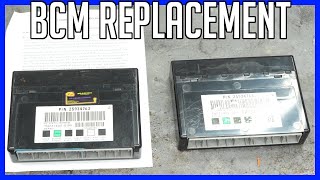
- Budget for Professional Installation/Configuration: While swapping the box is physically simple, 🎬 Watch this walkthrough on how to replace a BCM remember to factor in the potential cost of having a dealer or specialist shop configure the replacement unit to your vehicle's VIN and options.
Cost to Replace a Rio or Accent Fuse Box
The cost can vary significantly based on the price of the part and labor rates in your area.
| Item | Estimated Cost |
|---|---|
| New OEM (Dealer) | $320 - $480 |
| New Aftermarket | Not commonly available |
| Used OEM | $50 - $150 |
| Shop Labor (Replacement & Configuration) | $150 - $300 |
Frequently Asked Questions (FAQ)
Where is the interior fuse box located on the Kia Rio and Hyundai Accent?
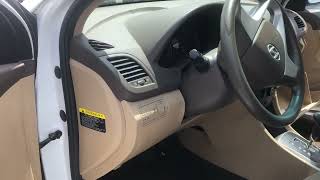
The interior fuse box, or Smart Junction Box, is located in the driver's side of the dashboard. To access it, you need to open the driver's door and remove a plastic cover on the side of the dashboard, or a small panel near the driver's left knee.
🎬 See this video to find your fuse box and OBD portCan I drive with a failing fuse box?
It is not recommended. While the car may be drivable, a failing SJB can cause unpredictable behavior, such as lights failing while driving at night, the engine stalling, or a complete no-start condition at any time. It should be repaired as soon as possible.
What's the difference between the fuse box in the car and the one in the engine bay?
The engine bay fuse box handles high-current systems directly related to the engine and chassis, such as the starter, alternator, cooling fans, and ABS. The interior fuse box (SJB) manages the lower-current body electronics and accessories like lights, windows, and the radio.
Will replacing the fuse box fix the fire risk recall?
No. The well-known fire risk recall for these vehicles is related to the ABS module's control unit (HECU) and is fixed by changing fuses in the engine compartment fuse box. Replacing the interior fuse box will not complete this critical safety recall.
Helpful Videos
Technical Specifications
OEM Part Numbers: 91950-1R540 91951-1R510 91951-1R540 91950-1W540 91950-1W560 91950-1W570 91950-H9510 91950-H9511 91950-H9570 919501W540 919501W560 919501W570
Also known as the Smart Junction Box (SJB), Junction Box Assembly-Instrument Panel, or Integrated Body Control Unit (IBU). Location: Driver's side dashboard.
We Have This Part in Stock



The information in this article is provided for general reference and educational purposes only. Vehicle specifications, procedures, and part compatibility can vary by production date, trim level, and region. Always consult your vehicle's factory service manual and verify part numbers before purchasing or performing repairs. Safety-critical components such as airbags, seat belts, and braking systems should be installed by a qualified professional.
- Kia Rio:
- Hyundai Accent:
- 🎬 Helpful Videos
- 🛍️ Shop This Part
- Symptoms of a Failing Smart Junction Box
- Known Issues, Recalls, and Technical Service Bulletins (TSBs)
- Safety Recall: HECU Engine Compartment Fire Risk
- Service Campaign: Anti-Theft Software Update
- Does a Replacement Fuse Box Need Programming?
- Buying a Used Fuse Box: A Buyer's Guide
- Cost to Replace a Rio or Accent Fuse Box
- Frequently Asked Questions (FAQ)
- 🎟️ Get 5% Off