

2008-2015 Kia Rio Engine Fuse Box: Generation Differences and Recall Info
This guide covers the critical differences between the fuse boxes in 2nd and 3rd generation Kia Rios and details an important fire risk recall.
- The 2008-2011 (Gen 2) and 2012-2015 (Gen 3) Kia Rios use completely different, non-interchangeable fuse boxes. Always match the OEM part number.
- A major safety recall for 2012-2015 models involves a fire risk from the ABS module; owners should park outside until the recall fix (replacing specific fuses) is performed.
- This fuse box does NOT require any programming or dealer visit after installation; it is a direct-fit part.
- When buying a used unit, the most important checks are for corrosion on the terminals and any signs of melting or heat damage around the fuse sockets.
Key Differences: 2nd Gen (2008-2011) vs. 3rd Gen (2012-2015)

The 2008-2015 Kia Rio model years span two distinct generations, and they use different engine fuse boxes. It is critical to match the part number from your original unit, as they are not interchangeable.
- 2nd Generation (JB; 2008-2011): These models use a different style of fuse box. A common OEM part number for this generation is 919401G011. The layout and internal connections are specific to the wiring and components of these earlier models.
- 3rd Generation (UB; 2012-2015): This generation saw a significant redesign. Common OEM part numbers include 912391W250 and 912391W251. These fuse boxes are designed for the updated electrical architecture of the UB platform Rios.
Warning: The initial data for this part incorrectly groups these two generations. Always verify your vehicle's year and match the part number on your original fuse box before ordering a replacement.
Symptoms of a Failing Fuse Box


A failing engine fuse box often causes confusing and widespread electrical problems. Because it's the central distribution point, a single internal fault can affect multiple, seemingly unrelated systems.
- Multiple System Failures: The most common symptom is several electrical components failing at once. For example, the radio, headlights, and power windows may stop working simultaneously.
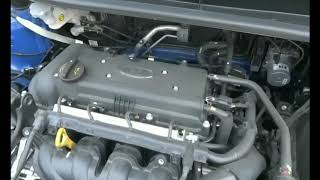
- Engine No-Start or No-Crank: If the relays or fuses for the fuel pump, starter, or ignition system are compromised, the engine may crank but not start, or it may not crank at all. You might hear a single click from the starter relay 🎬 Watch: Troubleshooting a 2012 Rio that won't crank or start without the engine turning over.
- Burning Smell or Visible Damage: A strong smell of burning plastic or visible signs of melting around fuses or relays is a clear indicator of a short circuit and an overloaded fuse box.
- Intermittent Electrical Issues: Problems that come and go, like flickering lights or a radio that cuts out, can be caused by loose connections or corrosion inside the fuse box.
- Specific Component Failure: Sometimes a single circuit trace inside the box can fail, leading to one specific, non-functional component (like the A/C compressor or cooling fans) even when the fuse and relay are good.
Known Issues, Recalls, and TSBs

NHTSA Recall 23V-652 / SC284UB: Engine Compartment Fire Risk (2012-2017 Rio)
A significant safety recall affects 2012-2017 Kia Rio vehicles. The Hydraulic Electronic Control Unit (HECU), which manages the Anti-lock Brake System (ABS), can experience an internal electrical short. This can lead to an engine compartment fire, even when the vehicle is parked and turned off.
- Symptoms: Warning signs include an illuminated ABS warning light, a burning or melting smell, or smoke coming from the engine compartment.
- Remedy: Kia dealers will install new, lower-amperage fuses for the HECU circuits free of charge to prevent an overcurrent situation. The original 40A fuses are replaced with 30A and 20A fuses.
- Action: Owners are advised to park their vehicles outside and away from structures until this recall repair has been performed. You can check if your vehicle is affected by entering your VIN on the NHTSA website.
Buying a Used Fuse Box
A used OEM fuse box is a reliable and cost-effective alternative to an expensive new part. However, careful inspection is key to getting a good one.
- Match the Part Number Exactly: This is the most important step. Due to the generation split, a fuse box from a 2011 Rio will not work in a 2012 Rio. The part number is printed on a sticker on the side of the box.
- Inspect for Corrosion: Carefully check all electrical terminals, both where the fuses and relays plug in and, more importantly, the large connectors on the bottom of the box. Any signs of green or white crusty residue indicate water damage, and the part should be rejected.
- Look for Heat Damage: Examine the plastic around each fuse and relay socket. Any melting, discoloration, or warping is a sign that the circuit was overloaded. This damage can create a poor connection, even with a new fuse.
- Get the Cover: The cover (lid) of the fuse box is essential. It not only protects the components from moisture and debris but also has the diagram showing the location and amperage of each fuse and relay.
- Verify Transmission Type: The initial data warning that this part fits automatic transmission vehicles only is important. Fuse boxes for automatic models may contain specific relays for transmission control that are absent in manual versions. Ensure the donor vehicle had the same transmission as yours.
Pro Tip: When you receive your used fuse box, use a contact cleaner spray on all the terminals and connectors before installation. This ensures the best possible electrical connection and helps prevent future corrosion.
Programming and Installation
The engine compartment fuse box on the 2008-2015 Kia Rio is a non-programmed component. It does not need to be flashed, coded, or programmed to the vehicle's VIN. It is a direct-fit replacement. The vehicle's anti-theft and immobilizer systems are not linked to this part.
Replacement is straightforward for a DIY mechanic with basic tools:
- Disconnect the Battery: Always disconnect the negative battery terminal before working on any major electrical components.
- Remove the Cover: Release the clips to remove the fuse box lid.
- Disconnect Power Feeds: Remove the nuts holding the main power cables to the fuse box terminals.
- Unplug Connectors: Carefully release the locking tabs on the large electrical connectors on the underside of the fuse box and pull them straight out.
- Remove Mounting Bolts: Unbolt the fuse box from its mounting bracket in the engine bay.
- Swap and Reinstall: Install the new box and reconnect everything in the reverse order of removal.
Cost Comparison
| Part Type | Estimated Cost |
|---|---|
| New OEM | $250 - $475 |
| New Aftermarket | Not commonly available |
| Used OEM | $50 - $150 |
| Shop Labor | $100 - $200 |
Frequently Asked Questions
Does the Kia Rio fuse box need to be programmed?
No, the engine compartment fuse box for 2008-2015 Kia Rio models does not require any programming, flashing, or coding. It is a direct swap component.
Where is the engine fuse box located on a 2008-2015 Kia Rio?
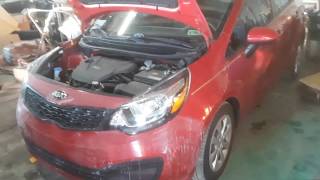
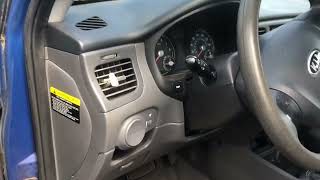
The main engine fuse box is located in the engine compartment, typically on the driver's side near the battery. There is also a secondary, smaller fuse panel for interior accessories located inside the vehicle, on the driver's side of the dashboard.
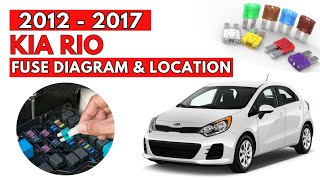
🎬 Watch: 2012-2017 Kia Rio fuse box diagrams and locationsCan a bad fuse box cause the car not to start?
Yes. If the internal circuits or relays that control the starter, fuel pump, or engine computer fail, the fuse box can absolutely cause a no-start or no-crank condition.
What is the difference between the engine fuse box and the one inside the car?
The engine fuse box manages high-power systems essential for the car to run, such as the fuel pump, cooling fans, and ABS. The interior fuse panel manages lower-power accessories inside the cabin, like the radio, power outlets, dome lights, and power windows.
Helpful Videos
Technical Specifications
OEM Part Numbers: 912391W250 912391W251 919401E900 919401G011
Houses a combination of mini blade fuses, J-case fuses, and plug-in relays. Specific amperage ratings are detailed on the fuse box cover.
We Have This Part in Stock



The information in this article is provided for general reference and educational purposes only. Vehicle specifications, procedures, and part compatibility can vary by production date, trim level, and region. Always consult your vehicle's factory service manual and verify part numbers before purchasing or performing repairs. Safety-critical components such as airbags, seat belts, and braking systems should be installed by a qualified professional.
- Kia Rio:
- 🎬 Helpful Videos
- 🛍️ Shop This Part
- Key Differences: 2nd Gen (2008-2011) vs. 3rd Gen (2012-2015)
- Symptoms of a Failing Fuse Box
- Known Issues, Recalls, and TSBs
- NHTSA Recall 23V-652 / SC284UB: Engine Compartment Fire Risk (2012-2017 Rio)
- Buying a Used Fuse Box
- Programming and Installation
- Cost Comparison
- Frequently Asked Questions
- 🎟️ Get 5% Off