

2014-2017 Jeep Grand Cherokee Fuse Box (TIPM): Stalling, No-Start & Replacement Guide
Diagnose and replace the problematic Totally Integrated Power Module (TIPM) in your Grand Cherokee, and learn about the critical compatibility checks and potential programming needs.
- The fuse box is a computer called a TIPM; failure causes widespread, erratic electrical issues, including no-start and stalling.
- You MUST match the OEM part number and engine type (Gasoline vs. Diesel) when buying a replacement.
- A used TIPM may not require dealer programming if the part number is an exact match, but a 'hard reset' procedure is necessary.
- Inspect any used unit carefully for signs of corrosion or water damage, which are common causes of failure.
- Several recalls exist for this generation, including for software issues that can cause loss of ABS or prevent cruise control from disengaging.
Symptoms of a Failing Fuse Box (TIPM)

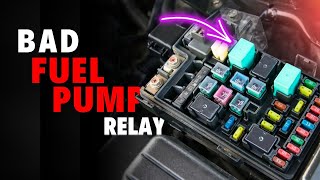
A failing TIPM can make your Grand Cherokee seem like it's possessed. Because it controls so many different electrical systems, symptoms can be widespread and intermittent. One of the most common and dangerous symptoms is the engine stalling while driving or failing to start, often due to an internal failure of the fuel pump relay. 🎬 See: How to diagnose a bad fuel pump relay You may also experience electrical accessories acting erratically, such as the horn blaring, wipers activating, or door locks cycling on their own.
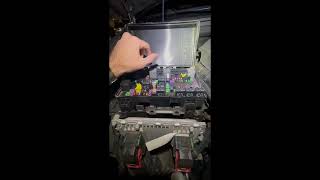
- Engine will crank but not start 🎬 Watch: Troubleshooting a Jeep Grand Cherokee no-start issue
- Engine stalls unexpectedly while driving
- Fuel pump continues to run after the engine is off, draining the battery
- Horn, wipers, or lights turn on and off randomly
- Power windows or door locks do not work
- A/C compressor does not engage
- Dashboard warning lights illuminate randomly
- Communication error codes (U-codes) are stored, such as U0100, U0140, or U0155
Known Issues, Recalls, and Technical Service Bulletins (TSBs)

While the most notorious TIPM issues affected earlier model year Jeeps, the 2014-2017 generation is not without its own electrical concerns. The 2014 model year, in particular, has a high number of Technical Service Bulletins (TSBs).
- NHTSA Recall 13V-483 / Chrysler N58: Issued for some 2014 Grand Cherokees built between January and August 2013. This recall addresses issues caused by a combination of loose alternator ground wires and software problems, which could lead to random warning lights and the loss of ABS and Electronic Stability Control (ESC) functionality. The fix involves a software update and tightening the ground wire.
- NHTSA Recall 18V-332: This wide-ranging recall affected many FCA vehicles, including the 2014-2018 Grand Cherokee. A software flaw could prevent the cruise control from disengaging, creating a significant safety risk. The remedy is a software flash for the powertrain control module performed by a dealer.
- Sun Visor Wiring Recall: A recall was issued for 2011-2014 models where the vanity lamp wiring in the sun visor could short circuit after a service repair, increasing the risk of a fire.
It's important to note that while many TIPM-related lawsuits and recalls focused on pre-2014 models, the underlying design principles and many of the symptoms persist in this generation.
Warning: Stalling while driving is a critical safety issue. If your vehicle exhibits this symptom, it should be diagnosed and repaired immediately.
Buying a Used Fuse Box: What to Look For


When purchasing a used TIPM for your Grand Cherokee, careful verification is essential to ensure you get the right part and avoid creating new problems. A used OEM unit is often a better choice than a new aftermarket one due to potential quality and firmware compatibility issues.
1. Verify Compatibility by Part Number AND Engine
This is the most critical step. There are numerous part numbers for this generation, and they are NOT all interchangeable. You must match the OEM part number from your original unit. Furthermore, there are different TIPMs for gasoline engines (3.6L, 5.7L, 6.4L) and the 3.0L V6 Diesel engine. Installing the wrong one will cause system malfunctions.
- Gasoline Engines: Look for part numbers like 68137439AG, 68242800AE, etc.
- Diesel Engines: Look for part numbers like 68194607AG.
Always check the part description for the specific engine it fits. The part number on your original unit is the definitive source of truth.
2. Physical Inspection Checklist
Before buying, physically inspect the used TIPM if possible, or scrutinize photos carefully.
- Check for Corrosion: Look for any green or white crusty deposits on the external pins and inside the connector ports. Water intrusion is a common cause of failure, and any sign of corrosion is a major red flag.
- Inspect the Housing: Check for cracks, heat damage, or melted plastic, especially around the fuse and relay sockets.
- Examine the Connectors: Ensure none of the pins are bent, broken, or pushed back into the connector.
- Ask About the Donor Vehicle: If possible, find out why the donor vehicle was taken off the road. A part from a collision-damaged vehicle is generally preferable to one from a vehicle that had unresolved electrical issues or was damaged by flood or fire.
3. Programming and Installation
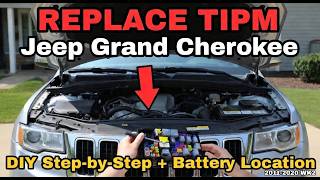
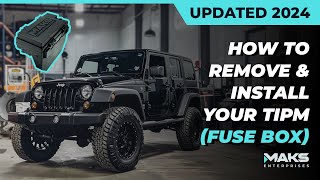
While some sources suggest these modules are plug-and-play, others indicate programming may be required. After installation, a 'hard reset' procedure is often necessary. This typically involves disconnecting the battery, connecting the positive and negative cables together for a few minutes (away from the battery) to drain residual power, and then performing a specific key-on/key-off sequence to allow the vehicle's modules to re-learn and communicate with the new TIPM. 🎬 Watch: Step-by-step TIPM removal, installation, and soft reset tutorial If issues persist after a successful part number match and hard reset, a dealer or a well-equipped independent shop with a compatible scan tool (like a wiTECH) may need to perform a configuration procedure.
Pro Tip: When you remove your old TIPM, take clear photos of the fuse and relay layout. Used TIPMs often ship without fuses or relays, and you will need to transfer them from your old unit. The photos will serve as your guide.
Cost Comparison
Replacing a TIPM can be expensive, but buying a used OEM part can offer significant savings over a new unit from the dealer.
| Part Type | Estimated Cost |
|---|---|
| New OEM | $350 - $750 |
| Remanufactured / Repaired | $295 - $600 |
| Used OEM | $150 - $400 |
| Shop Labor | $100 - $250 |
Frequently Asked Questions (FAQ)
Does a replacement fuse box (TIPM) need to be programmed?
It depends. Many remanufacturers and sellers of used units state that if you match the part number exactly, programming is not required. However, a specific 're-learn' or 'hard reset' procedure is almost always necessary after installation. In some cases, especially if vehicle options don't match perfectly, a dealer or specialist may need to perform a 'PROXI alignment' or configuration to ensure all modules communicate correctly.
Can I just replace the fuel pump relay inside the TIPM?
For this generation of TIPM, the relays are typically soldered directly onto the internal circuit board and are not designed to be serviced by the average user. While specialized companies offer repair services where they replace these internal relays, it is not a simple plug-in replacement. Attempting to bypass the relay with an external kit is often a temporary fix that fails to address other failing components within the module.
What's the difference between a TIPM and a regular fuse box?
A regular fuse box is a simple power distribution point with fuses and relays. A Totally Integrated Power Module (TIPM) is a computer that contains a fuse box. It has a microprocessor and circuit boards that actively control and monitor the vehicle's electrical systems, making decisions rather than just passing power through a fuse.
Can water damage cause my TIPM to fail?
Yes. The TIPM is an electronic module, and like any computer, it is very susceptible to moisture. Water intrusion can cause short circuits and corrosion on the circuit board and connectors, leading to a wide range of erratic electrical problems and eventual failure.
Helpful Videos

Technical Specifications
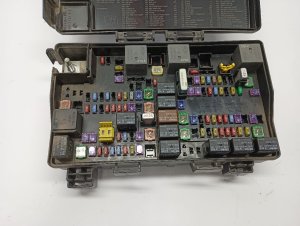
OEM Part Numbers: 68137439AC 68137439AD 68137439AE 68137439AF 68137439AG 68194607AD 68194607AE 68194607AF 68194607AG 68242800AB 68242800AC 68242800AD 68242800AE 68242818AB 68242818AC
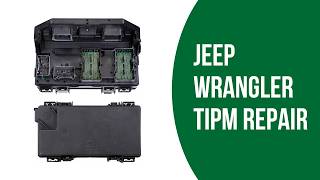
Also known as the Totally Integrated Power Module (TIPM) or Intelligent Power Distribution Center. Contains internal, non-serviceable relays soldered to the main circuit board.
We Have This Part in Stock




The information in this article is provided for general reference and educational purposes only. Vehicle specifications, procedures, and part compatibility can vary by production date, trim level, and region. Always consult your vehicle's factory service manual and verify part numbers before purchasing or performing repairs. Safety-critical components such as airbags, seat belts, and braking systems should be installed by a qualified professional.
- Jeep Grand Cherokee:
- 🎬 Helpful Videos
- 🛍️ Shop This Part
- Symptoms of a Failing Fuse Box (TIPM)
- Known Issues, Recalls, and Technical Service Bulletins (TSBs)
- Buying a Used Fuse Box: What to Look For
- 1. Verify Compatibility by Part Number AND Engine
- 2. Physical Inspection Checklist
- 3. Programming and Installation
- Cost Comparison
- Frequently Asked Questions (FAQ)
- 🎟️ Get 5% Off