

2008-2019 Sonata Fuse Box: Engine Bay vs. Interior, Recalls, and Programming
This guide covers the common failures, critical recalls, and mandatory programming required when replacing the engine bay or interior fuse box on your Hyundai Sonata.
- Sonatas have two fuse boxes: a simple one in the engine bay and a complex computer called the Smart Junction Box (SJB) or BCM in the cabin. They are not interchangeable.
- The interior Smart Junction Box (BCM) MUST be programmed to the car's VIN after installation. Failure to do so will result in a no-start condition.
- Part numbers must be matched exactly based on your Sonata's engine, transmission, and options. Do not buy based on year/model alone.
- Check for open recalls, especially for 2011-2015 models, which have known safety issues related to the ABS system, airbags, and power steering that involve electrical components.
Understanding the Two Fuse Boxes in Your Sonata

When diagnosing electrical problems in a 2008-2019 Hyundai Sonata, it's crucial to know which fuse box you're dealing with. They are not interchangeable and have vastly different replacement requirements.
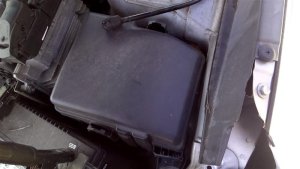
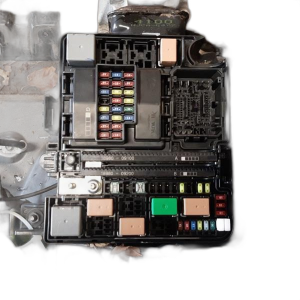
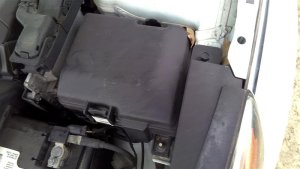
- Engine Compartment Fuse Box (Junction Block): This is a relatively simple power distribution center. Failures here are often due to physical damage, corrosion from moisture, or a melted relay from a short circuit. Replacement is mechanically straightforward, but it is critical to match the part number exactly, as it's tied to your vehicle's specific engine and options. It typically does not require programming.
- Interior Fuse Box (Smart Junction Box / BCM): This is the vehicle's electronic brain for body functions. Failures can cause a wide range of bizarre, unrelated electrical issues. This module is linked to the vehicle's VIN and anti-theft system. A replacement, whether new or used, absolutely must be programmed to the vehicle to function. If you install one without programming, the car will not start.
Known Issues & Recalls by Generation

The Sonata platform saw three distinct generations in this period, each with unique parts and potential issues.
Fifth Generation (2008-2010 NF Sonata)
This generation is generally less complex electronically. Problems are often related to age, such as corrosion in the engine bay fuse box or individual relay failures. A common issue reported by owners is reversing the battery terminals during a jump start or replacement, which can blow the main fusible link and cause a total loss of electrical power. Always double-check terminal polarity.
Sixth Generation (2011-2014 YF Sonata)
This generation is subject to several significant electrical recalls. If you own one of these model years, it is critical to check if these have been performed.
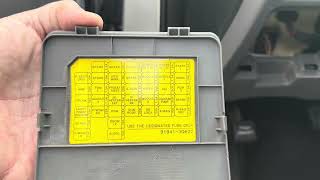
🎬 Watch: How to locate both fuse boxes on your Sonata- NHTSA Recall 18V137000: Affects 2011-2013 Sonatas. An electrical short in the Airbag Control Unit (ACU) could prevent airbags and seatbelt pretensioners from deploying in a crash. The dealer remedy involves installing a wire filter kit to protect the module.
- NHTSA Recall 16V190000: Affects 2011 Sonatas. The Electronic Power Steering (EPS) circuit board can fail, causing a sudden loss of power steering assist and making the vehicle difficult to steer, especially at low speeds. The fix is a complete replacement of the EPS control unit by a dealer.
- NHTSA Recall 251: Affects 2011-2015 Sonata Hybrids. The Anti-Lock Brake System (ABS) module can leak brake fluid internally, leading to an electrical short and the risk of an engine compartment fire, even while parked. The remedy involves replacing specific fuses in the engine bay fuse box to prevent this overcurrent condition.
Seventh Generation (2015-2019 LF Sonata)
This generation features a more advanced Smart Junction Box (SJB) and is also subject to important electrical campaigns.
- NHTSA Recall 210 (TSB 21-01-071H): Affects 2015-2017 Sonatas. A software logic error in the Smart Junction Box can cause the turn signal to intermittently activate in the opposite direction intended by the driver, increasing crash risk. This is not a hardware failure; the fix is a software update performed by a Hyundai dealer using their GDS (Global Diagnostic System) tool. This recall highlights the programmable nature 🎬 Watch: A demonstration of the BCM and smart key programming of the interior fuse box.
Symptoms of a Failing Fuse Box

Fuse box failure can manifest in many ways, from simple to complex.
- Multiple, Unrelated Electrical Failures: This is the most common sign of a bad Smart Junction Box (BCM). For example, the radio, power windows, and interior lights might all stop working at once.
- Frequently Blowing Fuses: If a specific fuse blows repeatedly right after being replaced, it usually indicates a short circuit in that component's wiring. However, if multiple different fuses blow, it could point to an internal short within the fuse box itself.
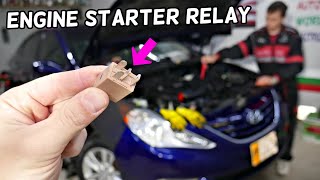
- No Start or Intermittent Start: A bad fuse box can prevent power from reaching the starter relay, ignition switch, or fuel pump. You might hear a single click or nothing at all when you turn the key. On models with a 🎬 See how to find and replace the engine starter relay Smart Junction Box, an immobilizer fault can also prevent the car from starting.
- Visible Damage or Burning Smell: A visual inspection can reveal a lot. Look for melted plastic around fuse or relay terminals, black soot, or greenish-white corrosion from water intrusion. A distinct burning plastic smell from under the hood or dash is a critical warning sign.
- Flickering Lights or Erratic Behavior: Headlights and dash lights that flicker, especially when turning or using another accessory, can indicate a poor connection or failing component inside the fuse box.
Buying a Used Fuse Box: The Definitive Guide

A used OEM fuse box is a cost-effective and reliable alternative to an expensive new part, but you must follow these steps to ensure a successful repair.
1. Identify the Correct Box
First, determine if your problem lies with the engine bay Junction Block or the interior Smart Junction Box (BCM). If your issue is a no-start with a click, or a major component like headlights is out, start by inspecting the engine bay box. If you're experiencing multiple strange interior electronic issues, the BCM is the more likely culprit.
2. Match the Part Number EXACTLY
This is the most important step. Do not buy a fuse box based on year and model alone. The provided warnings are correct: compatibility depends on engine size (2.0L Turbo vs. 2.4L), emissions (PZEV), transmission type, and even headlight type (Halogen vs. HID). Locate the OEM part number on your original fuse box and ensure the replacement part number is an identical match. Using the wrong box can lead to non-functioning systems or even damage to other components.
3. Physical Inspection of the Used Part
When you receive the used fuse box, inspect it carefully before installation:
- Check for Corrosion: Look for any white or green powder on the terminals or connectors. This is a sign of water damage and the part should be rejected.
- Look for Melted Plastic: Inspect the slots for every fuse and relay. Any sign of melting, warping, or black marks indicates a past short circuit.
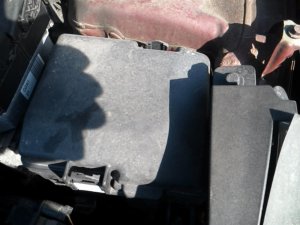
- Inspect the Cover and Latches: For an engine bay unit, a cracked or missing cover can lead to water intrusion, which is a primary cause of failure. Ensure all tabs and seals are intact.
- Verify Wiring Harness Integrity: Many engine bay fuse boxes are sold with a portion of the wiring harness. Check for any cut wires, damaged connectors, or brittle insulation.
4. Plan for Programming (For Interior BCM/SJB ONLY)
Warning: A replacement interior Smart Junction Box is NOT plug-and-play. It must be programmed to your car's VIN and key information.
If you are replacing the interior BCM, you must factor in the cost and logistics of programming. The car will not start until this is done. You have two primary options:
- Hyundai Dealership: This is the most reliable option. They have the proprietary GDS diagnostic tool and can program a new or used module to your vehicle.
- Automotive Locksmith or Independent Shop: Many professional locksmiths and higher-end independent shops have advanced aftermarket tools that can program Hyundai BCMs. It is crucial to call ahead and confirm they have this capability for your specific year and model before buying the part.
Cost Breakdown for Fuse Box Replacement
Prices can vary significantly based on which fuse box needs replacement and the parts source.
| Part/Service | Estimated Cost | Notes |
|---|---|---|
| New OEM Fuse Box (Engine or Interior) | $600 - $1,500+ | Prices from dealer parts counters are very high, especially for the interior SJB and engine bay units that include the wiring harness. |
| New Aftermarket Fuse Box | $250 - $700 | Availability is limited, and quality can be inconsistent. For complex modules like the SJB, OEM is often more reliable. |
| Used OEM Fuse Box | $75 - $250 | Offers the best value, providing an original quality part at a significant discount. |
| Shop Labor (Diagnosis) | $122 - $179 | This is the typical cost for an initial electrical system diagnosis to confirm the fuse box is the problem. |
| Shop Labor (Replacement & Programming) | $200 - $500 | Engine bay box replacement is typically 1-2 hours of labor. Interior SJB/BCM replacement can be 2-3 hours plus an additional charge for programming. |
Frequently Asked Questions (FAQ)
Does a Hyundai Sonata fuse box need to be programmed?
It depends on which one. The engine compartment fuse box (Junction Block) generally does NOT require programming. However, the interior fuse box, known as the Smart Junction Box (SJB) or Body Control Module (BCM), absolutely MUST be programmed by a dealer or qualified locksmith to your vehicle's VIN. The car will not start without this step.
Can I use a fuse box from a different year or engine Sonata?
No. Fuse boxes are highly specific to the vehicle's options. You must match the OEM part number on your original unit exactly. Using a fuse box from a car with a different engine, transmission, or features like PZEV emissions or HID headlights will result in compatibility issues.
Why are multiple unrelated things not working in my car?
This is a classic symptom of a failing Body Control Module (BCM) or Smart Junction Box (the interior fuse box). Because it acts as a central hub for many different electronic systems, its failure can cause widespread and seemingly random problems with lights, locks, windows, and more.
Can a locksmith program a replacement Hyundai fuse box?
Yes, many automotive locksmiths can program the interior Smart Junction Box (BCM). They often have advanced diagnostic tools similar to the dealership's. However, not all locksmiths offer this service, so you must call and confirm they can program a Hyundai BCM for your specific model year before you purchase the part.
My car won't start and just clicks. Could it be the fuse box?
Yes, it's possible. A clicking sound often points to a weak battery or a bad starter, but it can also be caused by a faulty starter relay located in the engine bay fuse box. If the relay itself is bad or if the fuse box has an internal connection issue preventing power from reaching the relay, it can cause a no-start condition.
Helpful Videos
Technical Specifications
OEM Part Numbers: 642301027000 912003Q100 912003Q101 912003Q102 912003Q103 912003Q104 912003Q200 912003Q201 912003Q202 912003Q203 912003Q204 912003Q290 912003Q291 912003Q292 912003Q293 91950-3S050 91950-3S060 91950-C1020 91950-C2070
Fuse boxes are vehicle-specific electronic modules. Key specifications are determined by the OEM part number, which encodes compatibility with the vehicle's engine, transmission, and electronic features.
We Have This Part in Stock



The information in this article is provided for general reference and educational purposes only. Vehicle specifications, procedures, and part compatibility can vary by production date, trim level, and region. Always consult your vehicle's factory service manual and verify part numbers before purchasing or performing repairs. Safety-critical components such as airbags, seat belts, and braking systems should be installed by a qualified professional.
- Hyundai Sonata:
- 🎬 Helpful Videos
- 🛍️ Shop This Part
- Understanding the Two Fuse Boxes in Your Sonata
- Known Issues & Recalls by Generation
- Fifth Generation (2008-2010 NF Sonata)
- Sixth Generation (2011-2014 YF Sonata)
- Seventh Generation (2015-2019 LF Sonata)
- Symptoms of a Failing Fuse Box
- Buying a Used Fuse Box: The Definitive Guide
- 1. Identify the Correct Box
- 2. Match the Part Number EXACTLY
- 3. Physical Inspection of the Used Part
- 4. Plan for Programming (For Interior BCM/SJB ONLY)
- Cost Breakdown for Fuse Box Replacement
- Frequently Asked Questions (FAQ)
- 🎟️ Get 5% Off