

2016-2024 Honda Pilot Fuse Box: Solving Electrical Issues & Compatibility
This guide explains the common electrical problems, compatibility challenges, and replacement requirements for the third and fourth-generation Honda Pilot fuse boxes.
- The interior fuse box (MICU) MUST be programmed to the vehicle after installation, otherwise the engine will not start.
- You must match the OEM part number from your original fuse box EXACTLY. Compatibility depends on trim, drivetrain, and options.
- Many electrical issues like multiple warning lights or battery drain are common symptoms of a failing fuse box.
- Water intrusion is a common cause of failure. Always inspect a used part for any signs of corrosion or moisture damage.
Known Issues, Recalls, and TSBs

While there haven't been widespread recalls specifically for the fuse box assembly itself, the 2016-2024 Honda Pilot has been subject to several electrical system recalls and Technical Service Bulletins (TSBs) that can produce similar symptoms or are related to the vehicle's complex wiring.
- Recall for MOST Bus Network (NHTSA #23V782000): Affecting 2019-2022 models, this recall addresses out-of-spec coaxial cable connectors that can cause popping/crackling from the speakers and a flickering display. While not a fuse box failure, these symptoms can be confused with a module problem.
- Recall for Instrument Panel Software (NHTSA #T89): On 2019-2021 Pilots, incorrect software could cause the instrument panel to fail to display critical information like the speedometer or gear position. The fix is a software update performed by a dealer.
- Warranty Extension for Keyless Start System (TSB 20-117): For 2016-2017 Pilots, Honda extended the warranty for a faulty ENGINE START/STOP switch that can cause a "KEYLESS START SYSTEM ERROR" message and a no-start condition. The associated trouble code is B12C5.
- Investigation into Auto Start/Stop Failure (NHTSA PE22-008): The 2016-2020 Pilot was investigated for an issue where the engine may not restart after the auto start/stop feature engages. This has been linked to various causes, including weak batteries and starter issues, which can sometimes be misdiagnosed as a fuse box problem.
Symptoms of a Failing Fuse Box

A failing fuse box or MICU can cause a variety of strange and seemingly unrelated electrical problems. Because the module controls so many different systems, symptoms are often not straightforward.
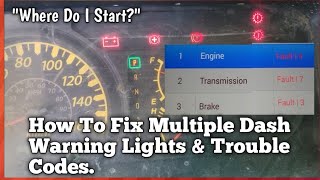
- Multiple Warning Lights: A dashboard that lights up with numerous, unrelated warnings (e.g., ABS, Power Steering, Emissions) is a common sign of a module failure or a significant electrical issue like a bad ground or low voltage from a failing alternator. 🎬 See how to troubleshoot multiple dashboard warning lights and codes
- Parasitic Battery Drain: If your Pilot's battery dies after sitting for a day or two, it could be due to a faulty MICU or a stuck relay within the fuse box that isn't shutting down properly. Technicians often diagnose this by measuring current draw while pulling fuses one by one.
- Intermittent Electrical Functions: Features like power windows, radio, wipers, or interior lights working one moment and not the next can point to a problem within the fuse box, such as a bad solder joint or internal corrosion.
- Water Intrusion and Corrosion: Water leaking into the cabin, particularly near the A-pillar, can corrode connectors and the fuse box itself, leading to a host of electrical failures and fault codes.
- No-Start or Hard Start: While many issues can cause a no-start, a faulty fuse box can prevent power from reaching the starter or fuel pump. This can also be caused by a failure in the integrated immobilizer system.
Buying a Used Fuse Box: What You Must Know

Purchasing a used fuse box can be a cost-effective solution, but it requires careful attention to detail. These are not simple plug-and-play parts.
Warning: The single most important factor is matching the OEM part number exactly. There are dozens of variations based on trim level (EX, EX-L, Touring, Elite), drivetrain (AWD/FWD), and factory-installed options (Navigation, Rear Entertainment System, Honda Sensing). An incorrect part number will result in features not working or the vehicle not starting at all.
- Physical Inspection: Before purchasing, carefully inspect the used fuse box for any signs of damage. Look for melted plastic, burn marks, or a smoky residue, which indicate a past electrical short. Check all connector ports for green or white corrosion, which is a clear sign of water damage.
- Verify Compatibility: Do not rely on the model year alone. Use the OEM part number stamped on your original fuse box to find an exact match. The initial data provided shows the complexity; for example, some parts fit AWD models without navigation, while others are specific to Touring/Elite trims.
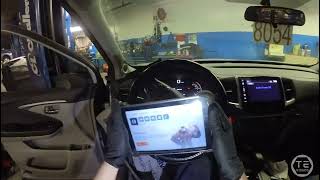
- Programming Requirements: Be aware that the interior fuse box (MICU) is linked to the vehicle's immobilizer system. After installing a used MICU, the keys will need to be reprogrammed to the vehicle for it to start. This typically requires a dealer's Honda Diagnostic System (HDS) or a high-end professional scan tool. 🎬 Watch a technician install and configure a new MICU module
- Why Used OEM is a Good Choice: For a complex electronic part like this, a used OEM unit is often superior to a new aftermarket one. The OEM part has been designed and tested for the vehicle's specific systems. Aftermarket versions may not exist or may have quality and compatibility issues.
Programming and Installation
Replacing a Honda Pilot fuse box, especially the interior MICU, is not a simple swap. It is a critical electronic module that must be configured to the vehicle.
- Programming is Required: A replacement MICU must be programmed to the vehicle's VIN and specific options. This process ensures the module knows which features to control and can communicate with other computers in the car. Failure to program the module will lead to malfunctions or a no-start condition.
- Who Can Program It?
- Honda Dealer: This is the most reliable option. They have the proprietary Honda Diagnostic System (HDS) software required to perform the full configuration and key registration.
- Independent Shop: A well-equipped independent shop with advanced diagnostic tools (like certain Autel or Launch models) may be able to perform the programming and key registration. However, you must confirm their capabilities beforehand.
- DIY: Due to the need for specialized tools and software, programming is generally not feasible for a DIY mechanic.
- Immobilizer Link: The MICU is a key part of the immobilizer system. When you replace it, the system will not recognize your keys, and the engine will not start until the keys are reprogrammed to the new module.
Cost Comparison
| Part Type | Estimated Cost |
|---|---|
| New OEM | $100 - $450, depending on the specific box and part number |
| New Aftermarket | Generally not available |
| Used OEM | $75 - $250 |
| Shop Labor (Replacement & Programming) | $200 - $400 |
Frequently Asked Questions (FAQ)
Do I absolutely have to program a replacement fuse box?
Yes, for the interior fuse box (MICU), programming is mandatory. It configures the module to your vehicle's specific options and, most importantly, reprograms your keys to the immobilizer system. Without this step, your vehicle will not start.
Why are there so many different part numbers for the same year Pilot?
The part number changes based on the vehicle's trim, drivetrain (AWD/FWD), and optional equipment like navigation, rear entertainment, or advanced safety features (Honda Sensing). Each combination requires a different software configuration, which is tied to the hardware part number.
My mechanic says I need a new fuse box, but all the fuses are good. Why?
The fuse box is more than just a fuse holder; it's an electronic control module (MICU). The failure is often in the internal circuitry, microprocessors, or soldered-in relays, not the replaceable fuses. 🎬 Watch: Locate your fuse boxes and identify specific fuse diagrams This internal failure can cause battery drain, communication errors, or make certain features inoperable.
What causes the fuse box to fail?
Common causes include water intrusion from a clogged sunroof drain or a bad windshield seal, which leads to corrosion. Other causes can be electrical shorts from faulty wiring elsewhere in the vehicle, voltage spikes, or simply the failure of electronic components over time.
Helpful Videos


Technical Specifications
OEM Part Numbers: 32100-TG7-A20 32100-TG7-A21 32100-TG7-A22 32100-TG7-A53 32100TG7A43 32100TG7A50 32100TG7A51 32100TG7A52 32100TG7AF0 32200T90A20 32200T90A30 38200-T90-A11 38850T90A010 38200-TG7-A21
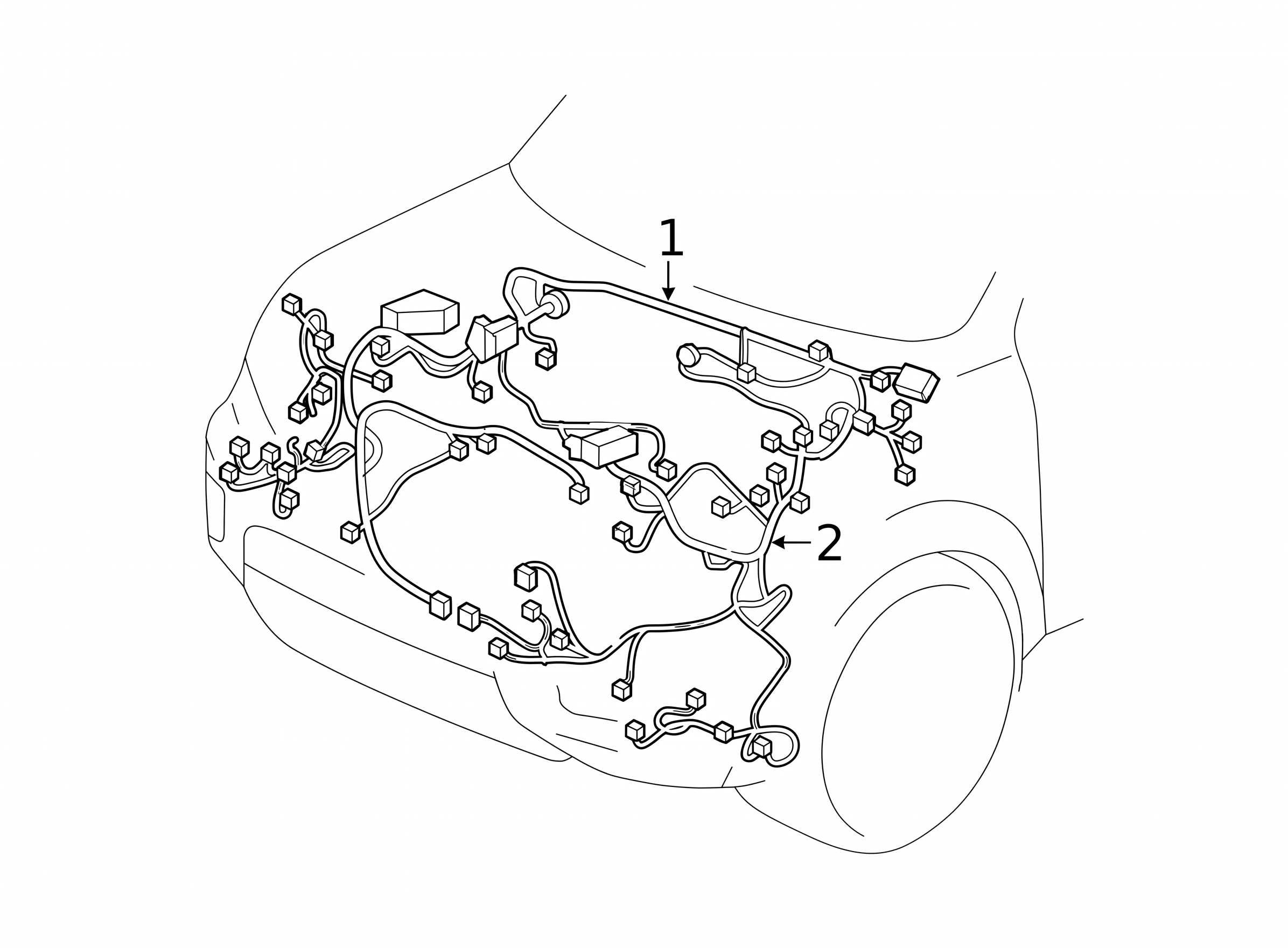
The 2016-2024 Honda Pilot utilizes three fuse boxes: two in the engine compartment (Type A and Type B) and one in the interior cabin on the driver's side, which also functions as the Multiplex Integrated Control Unit (MICU).
We Have This Part in Stock




The information in this article is provided for general reference and educational purposes only. Vehicle specifications, procedures, and part compatibility can vary by production date, trim level, and region. Always consult your vehicle's factory service manual and verify part numbers before purchasing or performing repairs. Safety-critical components such as airbags, seat belts, and braking systems should be installed by a qualified professional.
- Honda Pilot: